Follow Us on Google Discover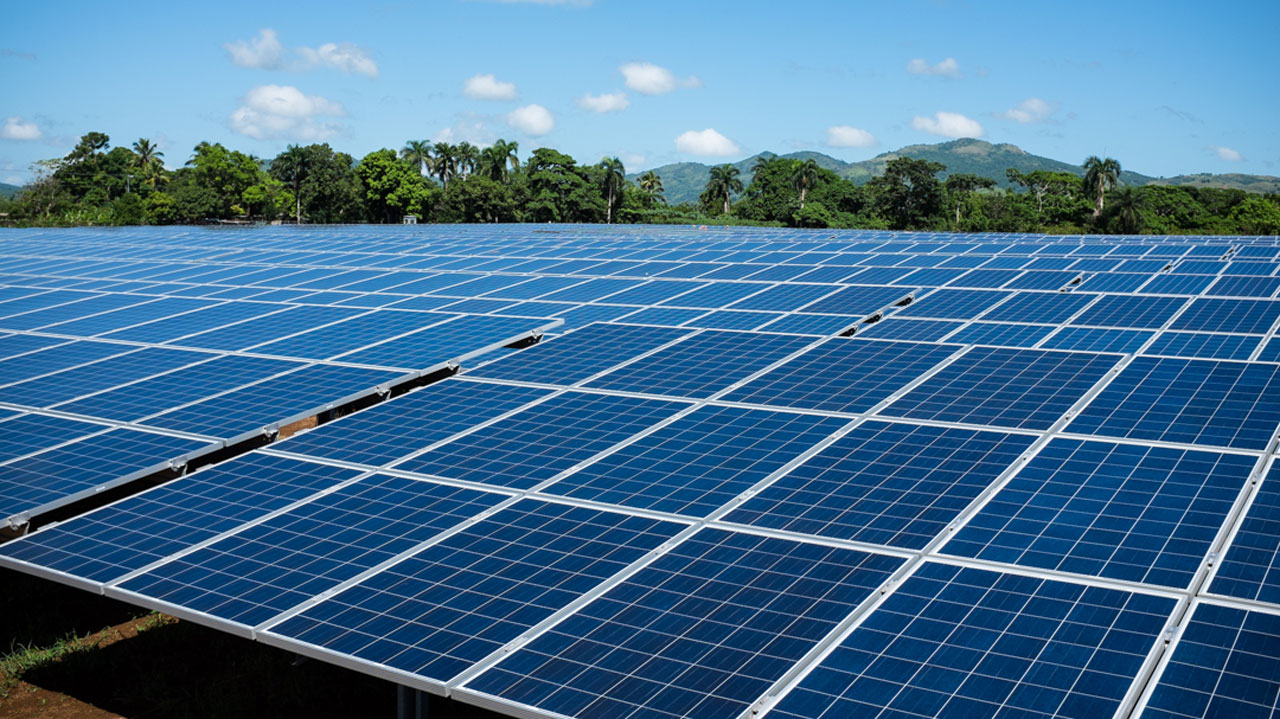
Solar battery storage in Africa is poised for rapid expansion, with capacity projected to grow by more than 20% annually through 2030.
This is according to the 2026 State of Africa’s Infrastructure report by the Africa Finance Corporation (AFC).
The report points to accelerating deployment, falling technology costs and growing investor interest as key drivers of the continent’s emerging storage market.
It also highlights Africa’s potential to become both a major adopter of energy storage and a strategic player in the global battery value chain.
Also Read
What the report is saying
The AFC said battery storage deployment is moving beyond pilot projects into early-stage commercial scaling, supported by improving economics and rising demand for reliable power.
- Installed battery storage capacity in Africa rose from 31 megawatt-hours in 2017 to more than 1.6 gigawatt-hours in 2024.
- Lithium-ion battery costs declined by about 20 per cent in 2024, driven by global manufacturing scale-up and wider adoption of lithium iron phosphate technologies.
- “As a result, storage is becoming increasingly viable across African markets, with capacity projected to grow at over 20% annually through 2030,” AFC noted.
- Falling costs are making solar-plus-storage solutions increasingly viable in markets facing unreliable grid infrastructure and rising electricity demand.
The report said these trends reflect growing investor confidence and improving commercial viability across the sector.
More Insights
While growth prospects are strong, the AFC noted that deployment remains uneven across the continent, with South Africa dominating the grid-scale battery storage market.
- South Africa accounts for the majority of installed capacity, supported by procurement programmes such as the Battery Energy Storage Independent Power Producers Procurement Programme.
- Many other African countries remain at early stages of adoption due to financing constraints, policy uncertainty and underdeveloped power markets.
- The AFC said Africa also holds abundant reserves of critical battery minerals, including lithium, cobalt, manganese and graphite.
- This positions the continent not only for storage deployment but also for refining, processing and battery manufacturing opportunities.
The report noted that early industrial momentum is emerging, with South Africa advancing battery manufacturing initiatives while Nigeria explores similar opportunities.
What you should know
The Rural Electrification Agency (REA) has said Nigeria’s domestic solar panel manufacturing capacity has increased to 300 megawatts (MW), up from 120MW two years ago, with a 3.7 gigawatts (GW) project pipeline in development.
Recently, REA signed a Memorandum of Understanding with Lotus Bank for a N100 billion revolving credit facility to expand renewable energy access to unserved and underserved rural communities across Nigeria.
Also, REA recently signed an agreement with ECOWAS to deploy solar systems to 15 public institutions under the Regional Off-Grid Electricity Access Project.
Nigeria’s Distributed Access through Renewable Energy Scale-Up (DARES) programme remains a key driver of the country’s renewable energy expansion strategy, with significant private sector participation expected.