• Login
  • Register
Nairametrics
  • Home
  • Exclusives
    • Recapitalization
      • Access Holdings Offer
      • Fidelity Bank Offer
      • GTCO Offer
      • Zenith Bank Offer
    • Financial Analysis
    • Corporate Stories
    • Interviews
    • Investigations
    • Metrics
    • Nairalytics
  • Economy
    • Business News
    • Budget
    • Public Debt
    • Tax
  • Markets
    • Currencies
    • Cryptos
    • Commodities
    • Equities
      • Company Results
      • Dividends
      • Public Offer & Right Issues
      • Stock Market News
    • Fixed Income
    • Funds Management
    • Securities
  • Sectors
    • Agriculture
    • Aviation
    • Company News
    • Consumer Goods
    • Corporate Updates
    • Corporate deals
    • Corporate Press Releases
    • Energy
    • Entertainment
    • Financial Services
    • Health
    • Hospitality & Travel
    • Manufacturing
    • Real Estate and Construction
    • Renewables & Sustainability
    • Tech News
  • Financial Literacy
    • Career tips
    • Personal Finance
  • Lifestyle
    • Billionaire Watch
    • Profiles
  • Opinions
    • Blurb
    • Market Views
    • Op-Eds
    • Research Analysis
  • Home
  • Exclusives
    • Recapitalization
      • Access Holdings Offer
      • Fidelity Bank Offer
      • GTCO Offer
      • Zenith Bank Offer
    • Financial Analysis
    • Corporate Stories
    • Interviews
    • Investigations
    • Metrics
    • Nairalytics
  • Economy
    • Business News
    • Budget
    • Public Debt
    • Tax
  • Markets
    • Currencies
    • Cryptos
    • Commodities
    • Equities
      • Company Results
      • Dividends
      • Public Offer & Right Issues
      • Stock Market News
    • Fixed Income
    • Funds Management
    • Securities
  • Sectors
    • Agriculture
    • Aviation
    • Company News
    • Consumer Goods
    • Corporate Updates
    • Corporate deals
    • Corporate Press Releases
    • Energy
    • Entertainment
    • Financial Services
    • Health
    • Hospitality & Travel
    • Manufacturing
    • Real Estate and Construction
    • Renewables & Sustainability
    • Tech News
  • Financial Literacy
    • Career tips
    • Personal Finance
  • Lifestyle
    • Billionaire Watch
    • Profiles
  • Opinions
    • Blurb
    • Market Views
    • Op-Eds
    • Research Analysis
Nairametrics
Home Financial Literacy

Nigerian Overnight Financing Rate: What it means for banks, markets and SMEs

Kalu Aja by Kalu Aja
April 24, 2026
in Financial Literacy, Op-Eds, Opinions
CBN cracks down on money laundering with new rules 
Share on FacebookShare on TwitterShare on Linkedin

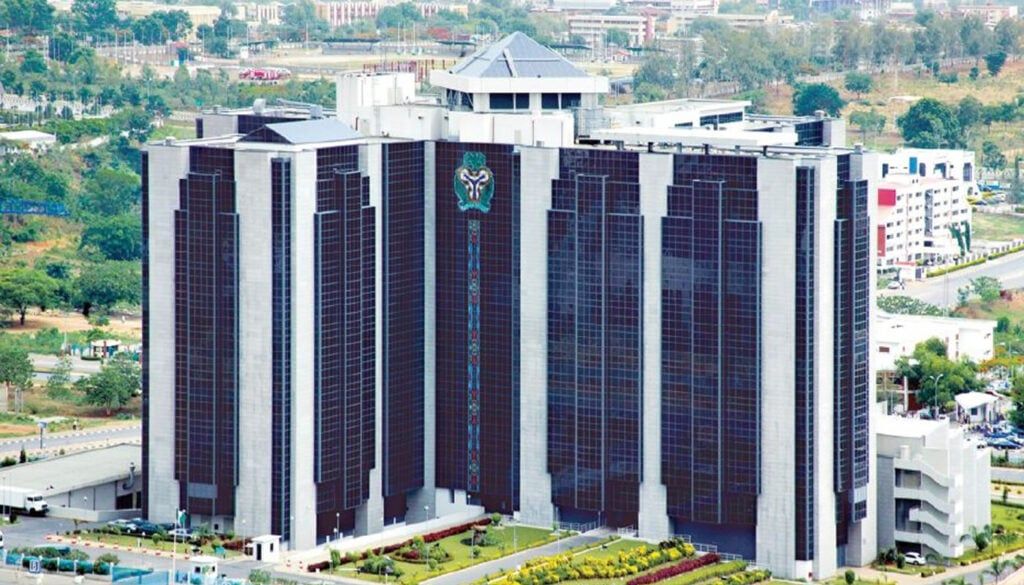
In April 2026, the Central Bank of Nigeria (CBN) collaborated with the Financial Markets Dealers Association (FMDA) to introduce the Nigerian Overnight Financing Rate (NOFR), a new transaction-based benchmark for the money market.

NOFR replaces the old Nigerian Inter-Bank Offered Rate (NIBOR), which many criticised for lacking transparency because it relied on quote-based submissions.

Unlike NIBOR, which required banks to submit estimated rates, NOFR calculates based on actual overnight transactions between banks and other financial institutions. This approach makes it more reliable, harder to manipulate, and better at reflecting the true cost of short-term borrowing in Nigeria.

MoreStories

BIN

Bin that strategy document for 2026, it is already stale 

April 25, 2026
LASG gives 4-day relocation deadline to squatters in Lagos coastal road, Lekki 

Nigeria dropped the ball on industrialising Africa and the continent refused to wait

April 24, 2026

Aligning the market with global best practices 

The move aligns Nigeria’s money market with global best practices. It mirrors the Secured Overnight Financing Rate (SOFR) in the United States and the Sterling Overnight Index Average (SONIA) in the United Kingdom, benchmarks that major economies adopted years ago to restore trust after scandals involving Libor rate-fixing.

For years, Nigeria’s money-market benchmark carried an “optics” problem. NIBOR relied on banks’ submissions rather than actual deals, making it vulnerable to manipulation and failing to reflect market conditions.

This situation created uncertainty for lenders and borrowers and prevented the CBN from effectively transmitting monetary policy.

NOFR, with its transparent, transaction-based rate, solves this issue. It gives the market, regulators, and businesses a clearer, more honest picture of overnight funding costs. This approach should lead to better pricing of financial products, improved risk management, and stronger monetary policy transmission.

What it means for business owners 

Let’s bring this down to the level of a real business owner. If you run a small or medium enterprise and have a N25 million overdraft facility with your commercial bank, NOFR will change how your interest is set.

Your rate, previously tied to NIBOR plus a spread, will move to NOFR, which means rates are based on actual market transactions rather than estimates.

First, your overdraft pricing will become more transparent. Because NOFR is based on real transactions, your bank can offer rates that more accurately reflect market conditions.

This reduces uncertainty and may mean you’re charged less risk premium, making your borrowing costs clearer. As a result, this lower-risk pricing can help reduce borrowing costs for SMEs. If NOFR remains more stable and lower than NIBOR, your overdraft’s interest rate could decrease, saving you money each year—even small rate reductions can translate to thousands of Naira saved.

Better predictability 

Secondly, you, as an SME borrower, will also enjoy better predictability. With NOFR based on real transactions, there is less rate volatility, making cash flow planning easier. More transparent rates can improve access to credit, as banks are more likely to lend when pricing is clear, and risk premiums are lower.

However, the benefit will not be immediate. Banks will need time to migrate their systems and loan pricing models to NOFR fully. In the short term, some SMEs may still see their existing facilities priced under the old regime until renewal or refinancing.

For SMEs, efficiency improves as NOFR reduces information gaps between banks and borrowers. This new benchmark lowers funding costs, passes savings to clients, and strengthens the CBN’s monetary policy. As a business owner, you can trust that your rates are fair and market-driven.

Implementation will provide the real test. If Nigeria implements NOFR properly, short-term borrowing becomes more transparent, efficient, and affordable for the real sector. Banks must fully adopt it, and the CBN must ensure it remains robust and free from manipulation. For now, Nigeria aligns well with global standards.

This reform marks a crucial turning point. By replacing an outdated benchmark, NOFR lays the foundation for a fairer financial system in Nigeria, promising more growth, transparency, and trust for businesses and banks alike. The CBN and FMDA’s commitment to delivering this reform deserves recognition, as it will help unlock sustainable progress for Nigeria’s economy.


Kalu Aja

Kalu Aja

Kalu is a Certified Financial Education Instructor and astute professional with extensive experience in capital market operations, Treasury, investment, asset management, and occupational pension services.

Next Post
LASG gives 4-day relocation deadline to squatters in Lagos coastal road, Lekki 

Nigeria dropped the ball on industrialising Africa and the continent refused to wait

Leave a Reply Cancel reply

Your email address will not be published. Required fields are marked *

Luis Figo

rabafast

nairametrics


DUNS

Follow us on social media:

  • HOME
  • ABOUT NAIRAMETRICS
  • CONTACT US
  • DISCLAIMER
  • ADs DISCLAIMER
  • COPYRIGHT INFRINGEMENT

© 2026 Nairametrics

Welcome Back!

Login to your account below

Forgotten Password? Sign Up

Create New Account!

Fill the forms below to register

All fields are required. Log In

Retrieve your password

Please enter your username or email address to reset your password.

Log In
Social Media Auto Publish Powered By : XYZScripts.com
No Result
View All Result
  • Home
  • Exclusives
    • Recapitalization
      • Access Holdings Offer
      • Fidelity Bank Offer
      • GTCO Offer
      • Zenith Bank Offer
    • Financial Analysis
    • Corporate Stories
    • Interviews
    • Investigations
    • Metrics
    • Nairalytics
  • Economy
    • Business News
    • Budget
    • Public Debt
    • Tax
  • Markets
    • Currencies
    • Cryptos
    • Commodities
    • Equities
      • Company Results
      • Dividends
      • Public Offer & Right Issues
      • Stock Market News
    • Fixed Income
    • Funds Management
    • Securities
  • Sectors
    • Agriculture
    • Aviation
    • Company News
    • Consumer Goods
    • Corporate Updates
    • Corporate deals
    • Corporate Press Releases
    • Energy
    • Entertainment
    • Financial Services
    • Health
    • Hospitality & Travel
    • Manufacturing
    • Real Estate and Construction
    • Renewables & Sustainability
    • Tech News
  • Financial Literacy
    • Career tips
    • Personal Finance
  • Lifestyle
    • Billionaire Watch
    • Profiles
  • Opinions
    • Blurb
    • Market Views
    • Op-Eds
    • Research Analysis
  • Login
  • Sign Up

© 2026 Nairametrics