
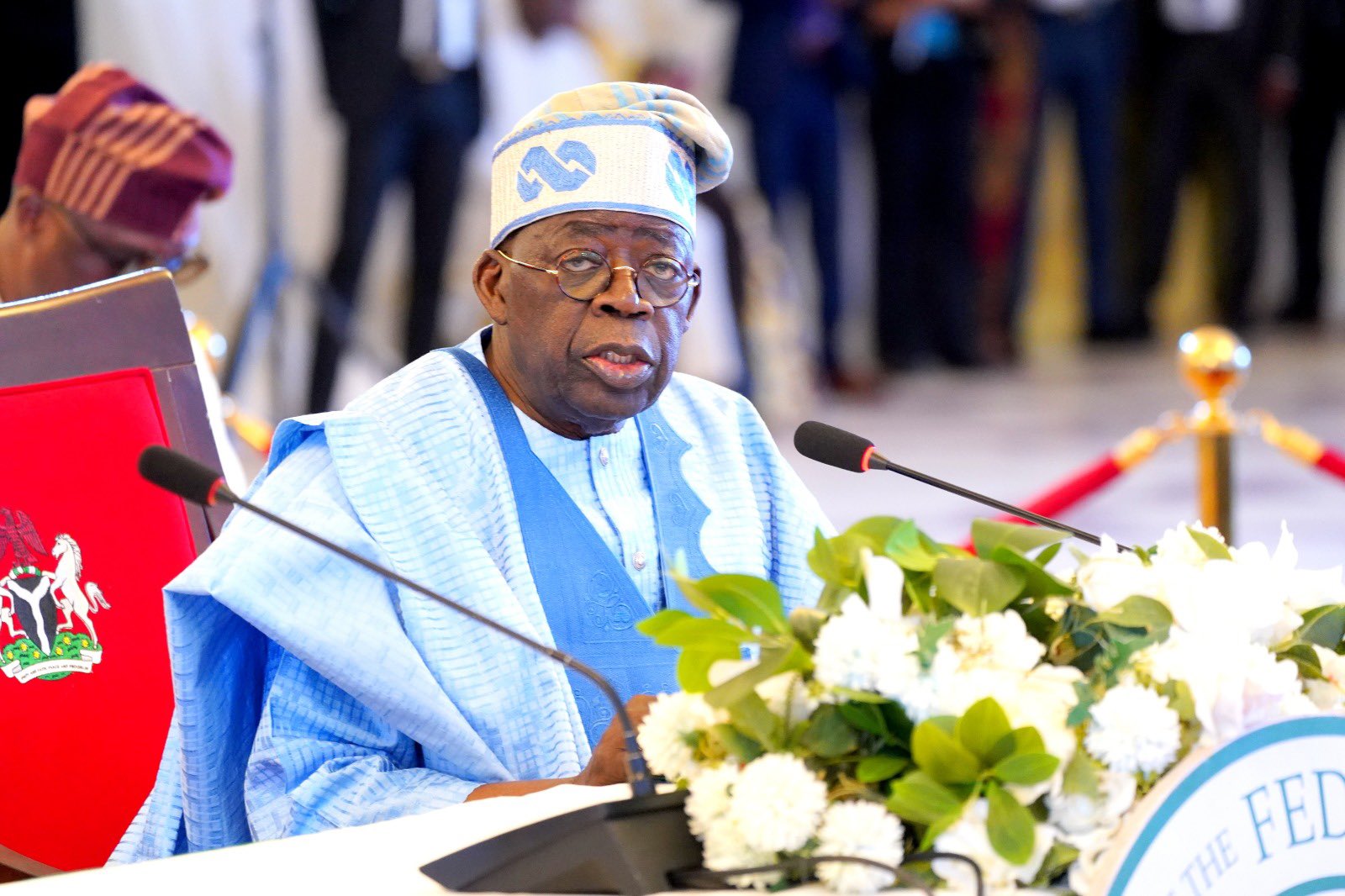
President Bola Tinubu has directed key economic officials to develop measures to mitigate the impact of the ongoing Middle East crisis on Nigerians, amid rising fuel prices.
The directive was disclosed in a statement issued on Friday by Presidential Spokesperson, Mr. Bayo Onanuga, following the president’s remarks at a civic reception in Yenagoa.
The development comes as fuel prices have surged to about N1,350 per litre, driven by escalating tensions in the Middle East.
What he is saying
President Tinubu said his administration is aware of the economic pressure on citizens and is taking steps to address it.
- “Yes, I hear you from various angles of the economy. The fuel prices are biting hard, but we must also reflect on global realities.”
He directed the Ministries of Finance and Budget, alongside the Head of Service, to review options for easing the burden.
- “This is a government that cares. We will look at the numbers with the Ministry of Finance and Budget to ease the burden.”
- “People deserve to see governance translated into roads, bridges, power, jobs and real opportunities that affect lives.”
He reaffirmed his administration’s commitment to improving living conditions through targeted economic interventions.
Get up to speed
The directive comes amid developments in the Middle East affecting global oil supply dynamics.
The United States and Iran recently agreed to a two-week ceasefire in the ongoing conflict.
- The agreement includes plans to reopen the Strait of Hormuz, a key global oil transit route.
- The ceasefire followed a decision by U.S. President Donald Trump to suspend planned military strikes.
- The deal was brokered by Pakistan with support from China to de-escalate tensions.
- These developments have had direct implications for global oil prices and domestic fuel costs.
More insights
During the visit, President Tinubu also commissioned major infrastructure projects in Bayelsa State.
He inaugurated a 60-megawatt gas-fired Independent Power Plant in Elebele.
A 630-metre Angiama–Oporoma Bridge was also commissioned.
The president unveiled a new Yenagoa city road aimed at improving connectivity.
He noted that collaboration between federal and state governments is key to accelerating development.
He added that the projects would boost economic activities and improve the quality of life for residents.
What you should know
The Strait of Hormuz remains critical to global energy supply, with a significant portion of the world’s crude oil passing through it.
Disruptions to the route often trigger volatility in global oil prices.
Analysts say Iran’s influence over the strait remains a key geopolitical factor.
The ongoing conflict has sparked debates about its long-term economic and energy implications.
The situation continues to shape global oil markets, with direct consequences for fuel prices in Nigeria.