Follow Us on Google Discover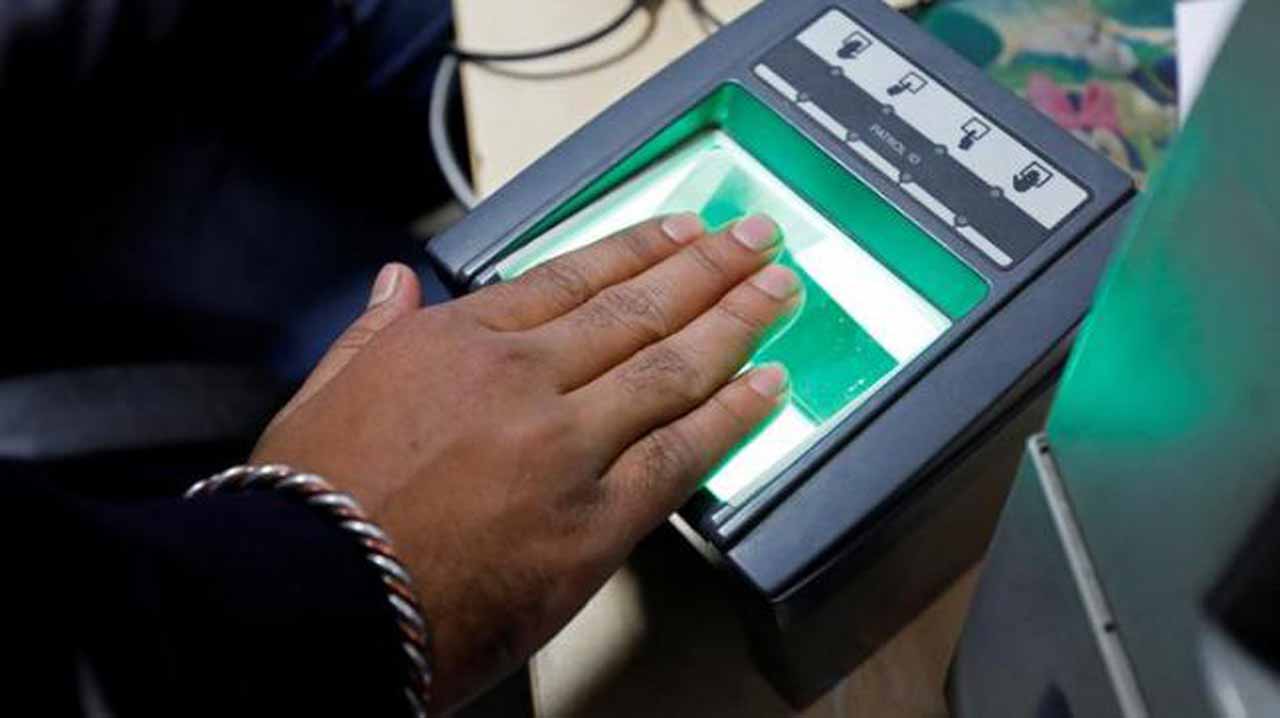
Nigeria’s Bank Verification Number (BVN) database grew to 68.6 million in March 2026 as more Nigerians registered to link their bank accounts.
This is according to newly released data by the Nigeria Inter-Bank Settlement System (NIBSS).
The figure, however, shows a slowdown in the rate of new registrations for the number compared with previous years, just as the Central Bank of Nigeria (CBN) introduced new rules last month.
What the data is saying
As of December 31, 2025, the BVN database stood at 67.8 million. The latest NIBSS data shows that the database grew by 754,128 between January and March this year.
Also Read
Throughout 2025, a total of 4.3 million BVN registrations were recorded, driven largely by the introduction of the Non-Resident Bank Verification Number (NRBVN) initiative, which enables Nigerians in the diaspora to register for a BVN remotely, removing physical barriers and increasing cross-border financial engagement.
- With less than one million new registrations recorded in the first quarter of 2026, NIBSS may see lower record of new registrations this year.
- Meanwhile, the total number of active bank accounts in Nigeria stood at over 320 million as of March 2025 according to NIBSS data, indicating a wide gap between registered BVNs and bank accounts.
While a single BVN’s could be linked to multiple bank accounts, analysts suggest there might still be unlinked accounts in the system.
Get up to speed
Last month, the CBN announced a revised BVN regulatory framework, which introduces stricter controls on suspected fraudulent transactions, BVN enrolment, and data access within the banking system.
- Specifically, the revised BVN framework introduced a stricter age requirement for BVN enrolment, limiting registration to 18-year-old individuals and above.
- With the new rule, the apex bank intends to strengthen identity verification and ensure that BVN registration aligns with legally recognised age thresholds.
- In addition, under the new directive, customers will only be allowed to change the phone number associated with their BVN once.
According to the apex bank, the amendments to the BVN framwork are aimed at strengthening fraud monitoring, improving identity management within the financial system, and safeguarding the integrity of banking transactions.
- “Under the new guidelines, financial institutions are required to establish and maintain a temporary watch-list for BVNs linked to suspected fraudulent transactions reported within the banking system.
- “A BVN may remain on this temporary Watch-list for a maximum period of twenty-four (24) hours, during which the BVN owner shall be contacted to provide clarification regarding the identified transaction(s),” CBN stated in a circular dated March 12, 2026, issued to all banks.
The CBN added that the measure is intended to enable banks to quickly flag suspicious transactions while allowing customers an opportunity to explain or resolve the issue before further regulatory action is taken.
What you should know
A BVN is a unique biometric identity number issued to bank customers to link all their accounts across Nigerian banks and protect against unauthorized access.
The BVN system is a cornerstone of Nigeria’s financial infrastructure, designed to uniquely identify customers and reduce identity-related fraud while enabling seamless verification across banks.
Its growth reflects regulatory pressure and increased adoption of digital identity tools by citizens.