Follow Us on Google Discover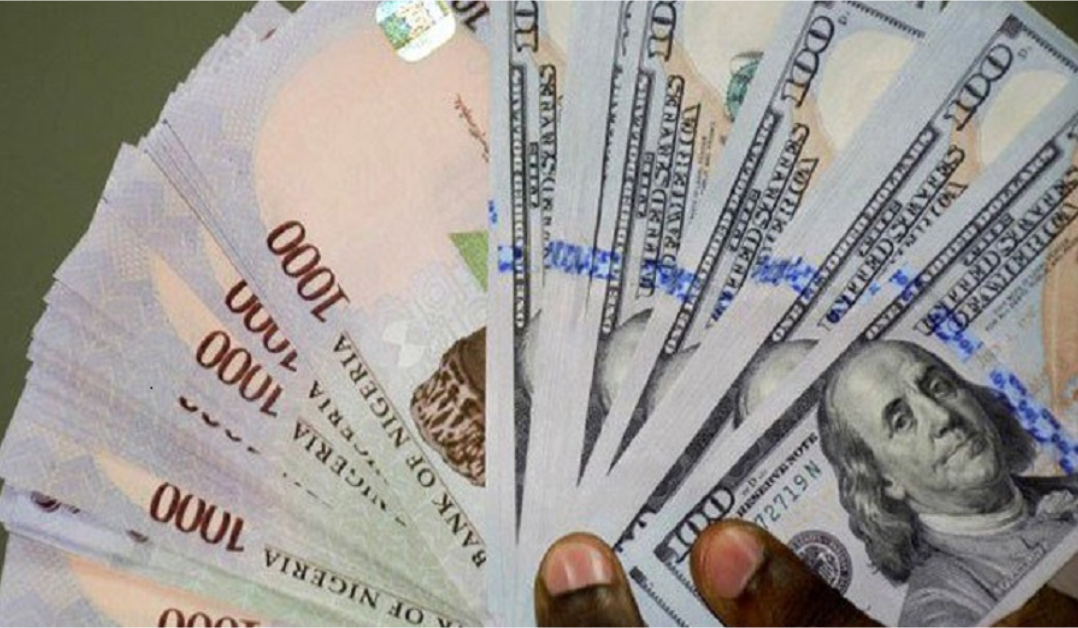
The Naira closed at N1,387/$ as of March 31, 2026, erasing some of the gains recorded in February and demonstrating ongoing volatility in the foreign exchange market.
This is according to data tracked on the Central Bank of Nigeria’s (CBN) website.
After a period of gradual appreciation earlier in the year, the currency has struggled to maintain momentum amid global economic uncertainties and geopolitical tensions.
February had been relatively encouraging for the Naira, with the currency trading at N1,367/$ at the start of the month before strengthening to N1,340/$ on February 18.
Also Read
These movements suggested a fragile but positive trend, offering hope for stabilization after months of fluctuation.
What the data is saying
March presented a more challenging environment for the Naira, with multiple global and domestic factors influencing its performance.
- The currency opened in March around N1,376/$ but depreciated sharply to N1,425/$ by March 9, reflecting geopolitical tensions in the Middle East and a stronger U.S. dollar.
- Nairametrics reported this represented the currency’s worst close in six weeks.
- Throughout the month, the Naira oscillated between N1,362/$ and N1,391/$, eventually closing at N1,387/$.
- Nigeria’s foreign reserves fell from $50.03 billion on March 11 to $49.29 billion by March 30, a decline of approximately $547 million, reflecting sustained pressure on the economy.
- The gradual depreciation, rather than a sudden crash, indicates continued external pressures rather than a single disruptive event.
The data highlights the fragile nature of the currency’s gains and the sensitivity of the Naira to external shocks and market dynamics.
More insights
The Naira’s movement has both positive and negative implications for the domestic economy.
Sam Ogbaraku, portfolio manager at Kwik Securities Ltd, speaking to Nairametrics on the development, stated: “Importers face higher costs, which could drive inflation and raise the price of goods for consumers. Exporters may benefit as dollar earnings convert into more local currency, improving profitability.”
- He added that persistent volatility complicates business planning, investment decisions, and fiscal policy implementation.
- He also noted that the currency’s trajectory remains closely tied to global oil prices, the strength of the U.S. dollar, and the level of foreign inflows into Nigeria.
What you should know
The outlook for the Naira remains uncertain, with external and domestic factors continuing to shape its performance.
Earlier in March, CBN Governor Olayemi Cardoso stated that the country’s gross external reserves climbed to $50.45 billion as of February 2026, supported by stronger oil earnings and increased foreign inflows.
Cardoso said ongoing monetary and foreign-exchange reforms are aimed at strengthening market confidence and improving liquidity.
Also, according to projections contained in the CBN 2026 Macroeconomic Outlook for Nigeria, the country’s external reserves could rise further to $51.04 billion in 2026, supported largely by higher oil revenues.