Follow Us on Google Discover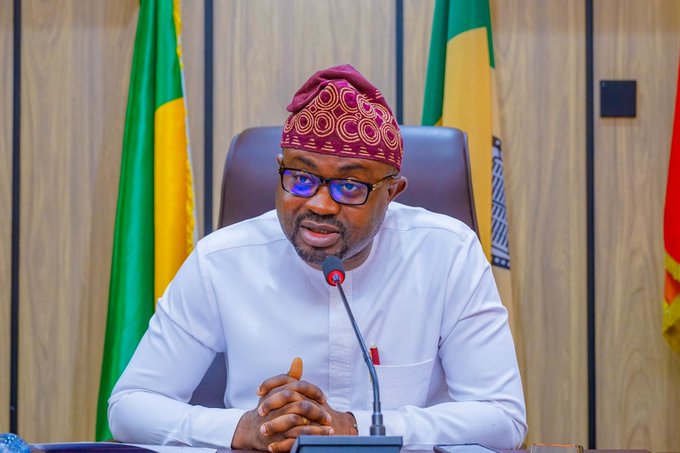
The Federal Government has declared Friday, April 3, and Monday, April 6, 2026, as public holidays to mark this year’s Easter celebration.
This was disclosed in a statement issued on Wednesday by the Minister of Interior, Olubunmi Tunji-Ojo, on behalf of the Federal Government.
April 3 marks Good Friday, while April 6 is observed as Easter Monday.
What the minister said
The minister congratulated Christians in Nigeria and the diaspora on the occasion of Easter, describing it as a season of reflection and renewal.
Tunji-Ojo urged Nigerians to imbibe the virtues of selflessness, forgiveness, forbearance, and love, as exemplified by the life and teachings of Jesus Christ.
- “I congratulate all Christians in Nigeria and in the diaspora on the joyous occasion of Easter. I urge Nigerians to imbibe the virtues of selflessness, forgiveness, forbearance and love as exemplified by the life and teachings of Jesus Christ,” he said.
He also called for unity among citizens, stressing the importance of peaceful coexistence across the country.
- “Easter is a period that reminds us of the values of tolerance and community that keep us together as a nation. Nigerians should remain committed to these ideals for the progress of our country,” the minister added.
More details
Tunji-Ojo reiterated the Federal Government’s commitment to policies aimed at national development, noting that ongoing efforts are geared towards fostering economic growth and shared prosperity.
- “The goal of the government remains taking decisions that would bring about national rebirth, economic growth, and shared prosperity for all Nigerians,” he said.
He further encouraged Nigerians to use the festive period to promote unity, extend goodwill to one another, and celebrate responsibly.
The minister also wished Christians a peaceful and joyous Easter celebration, urging citizens to uphold the values of love, tolerance, and community beyond the holiday period.
What you should know
The public holidays for Easter come exactly two weeks after Muslims in Nigeria observed Eid-ul-Fitr between Thursday, March 19, and Friday, March 20, 2026, marking the end of the holy month of Ramadan.
Nigeria is a deeply multi-religious country, with its population almost evenly split between Muslims and Christians.
As a result, major religious celebrations from both faiths are officially recognised with national public holidays.
These declarations have become a consistent feature of Nigeria’s civic calendar, with the Federal Government using such occasions to promote unity, tolerance, and peaceful coexistence across religious and cultural lines.