Kenya’s inflation rate increased slightly to 4.4% year-on-year in March 2026, up from 4.3% recorded in February.
The figures were released on Tuesday by the Kenya National Bureau of Statistics (KNBS).
The marginal rise reflects a slight increase in consumer prices across key sectors of the economy.


On a month-on-month basis, inflation rose to 0.5% in March compared to 0.2% in February, indicating a faster pace of price increases within the period.
Despite the uptick, inflation remains within the government’s medium-term target range of 2.5% to 7.5%.
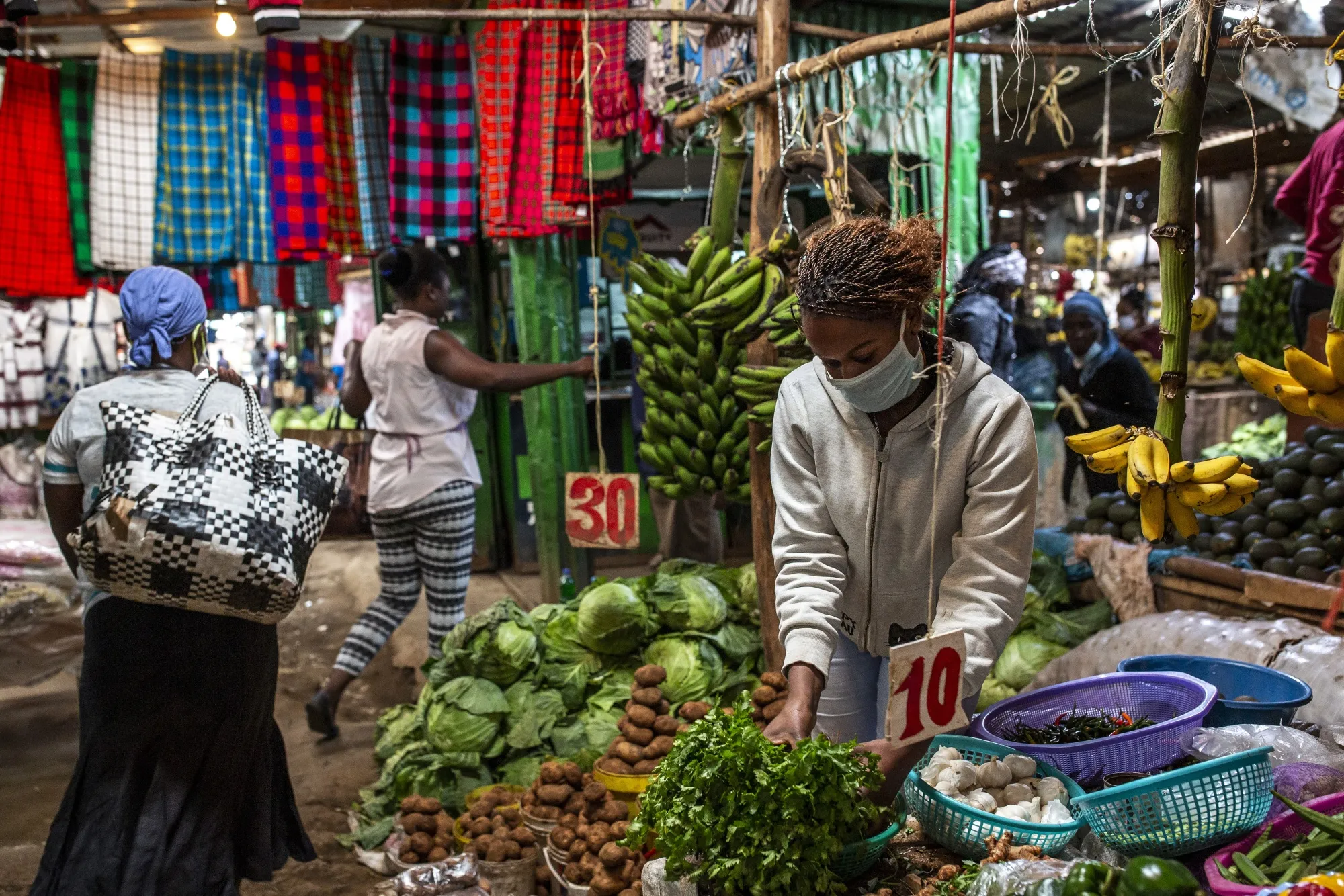
The latest data suggests that while inflationary pressures remain relatively contained, rising costs in essential categories such as food, transport, and housing continue to influence the overall price level.
What the report is saying
The Kenya National Bureau of Statistics provided insights into the drivers of the latest inflation figures.
- “Annual consumer price inflation as measured by the Consumer Price Index (CPI) was 4.4 per cent in March 2026. This implies that the general price level was 4.4 per cent higher in March 2026 than it was in March 2025.”
- “The price increase was primarily driven by a rise in prices of items in the Food and Non-Alcoholic Beverages (7.7%); Transport (3.8%), and Housing, Water, Electricity, Gas and other fuels (2.0%) over the one-year period.”
- “These three divisions together account for over 57 per cent of the total weight across the 13 major expenditure categories.”
The data highlights the continued dominance of essential household spending categories in shaping Kenya’s inflation trend.
Backstory
Earlier, Nairametrics reported that Kenya’s annual inflation eased to 4.3% in February 2026, down from 4.4% in January, providing some relief to policymakers and creating room for possible interest rate adjustments by the Central Bank of Kenya (CBK).
- The general price level in February 2026 was 4.3% higher than in February 2025.
- Prices of food and non-alcoholic beverages rose by 7.3% year-on-year.
- Transport costs increased by 4.0%, while housing, water, electricity, gas, and other fuels rose by 1.8%.
These three divisions accounted for over 57% of the total weight across the 13 major expenditure categories in the Consumer Price Index, underscoring their importance in determining overall inflation trends. The slight increase recorded in March signals a reversal of the easing trend observed in the previous month.
What you should know
Nigeria’s headline inflation rate moderated slightly to 15.06% in February 2026, down from 15.10% recorded in January 2026, according to data from the National Bureau of Statistics (NBS).
- The marginal decline indicates a slow easing of inflationary pressures in Nigeria.
- However, Nigeria’s inflation rate remains significantly higher than Kenya’s 4.4%.
The disparity reflects differences in economic conditions, policy responses, and price stability across both countries.