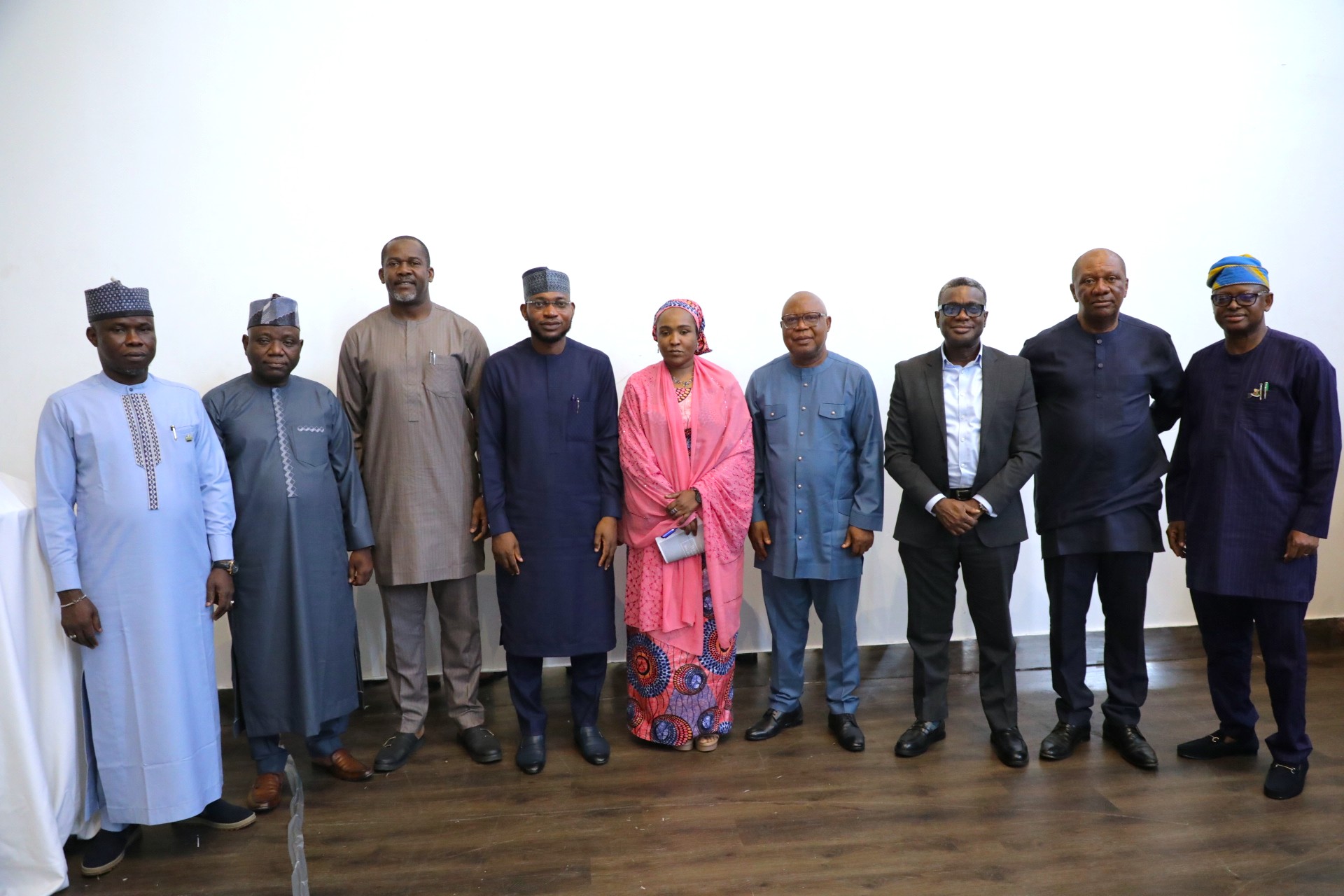
The Nigerian Electricity Regulatory Commission (NERC) has inaugurated a new forum aimed at enhancing coordination and effectiveness in electricity regulation across Nigeria.
The forum was inaugurated during the first quarter 2026 Regulatory Meeting with State Electricity Regulators (SERs) in Lagos.
This was disclosed in a statement shared on X by NERC on its official handle on Wednesday.
The development comes amid complaints of power outages in many parts of the country, as generation drops due to a persistent gas shortage.
What they are saying
The Forum of Nigerian Electricity Regulators (FONER) is expected to drive key regulatory objectives, including fostering dialogue between NERC and SERs, promoting harmonised approaches in tariff setting, market operations, and consumer protection, and supporting capacity building through peer learning.
NERC Chairman, Dr Musiliu Oseni, described the initiative as a major step in Nigeria’s transition to a multi-level electricity market.
Inaugurating the Forum of Nigerian Electricity Regulators (FONER), Oseni emphasised the need for collaboration to prevent regulatory loopholes within the sector.
- “We must work collaboratively to avoid regulatory arbitrage by operators. I charge all of us to carry out this mandate with the highest sense of responsibility.
- “Pursuant to Section 230(9) of the Electricity Act 2023, I hereby declare the Forum of Nigerian Electricity Regulators duly inaugurated,” he said.
The forum will also serve as a consultative platform for electricity market reforms while advancing transparency, accountability, and national regulatory benchmarks.
More insights
Key highlights of the meeting included the review of the fourth quarter 2025 action log, the signing and launch of the FONER Charter, and the inauguration of the forum’s leadership.
Oseni serves as Chairman, alongside Chijioke Okonkwo of the Enugu State Electricity Regulatory Commission as Vice Chairman, and Aisha Mahmud, NERC Commissioner, Stakeholder Management Division, as Secretary.
The statement noted that NERC and state regulators exchanged ideas aimed at strengthening collaboration and driving improvements in Nigeria’s electricity supply industry.
What you should know
Nigeria’s fragile electricity supply chain is under strain as financial and contractual disputes between Generation Companies (GenCos) and gas producers disrupt fuel deliveries to power plants, worsening grid instability and intensifying blackouts across the country.
- This is according to industry insights shared with Nairametrics and operational data from across Nigeria’s power value chain.
- At the core of the crisis are mounting debts, foreign exchange challenges, and infrastructure vulnerabilities, all of which continue to undermine the reliability of gas-fired power plants that generate the bulk of Nigeria’s electricity.
- Nigeria’s power generation system remains heavily dependent on natural gas, with thermal plants producing more than 70%, and in some seasons over 80%, of total electricity output.
However, persistent liquidity challenges within the sector have created financial strain, affecting gas supply to power plants.