Follow Us on Google Discover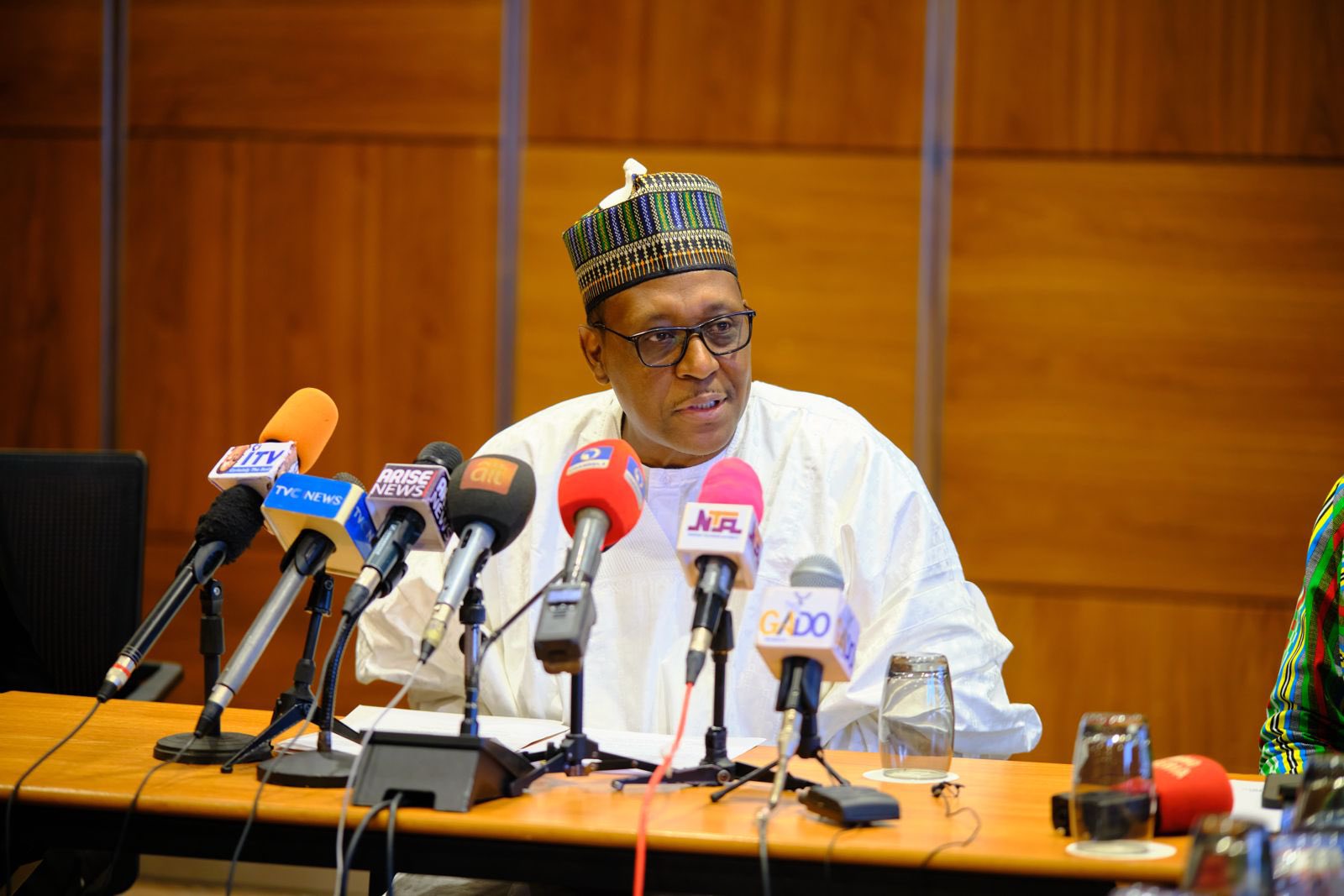
The Federal Government has committed $346 million in co-financing for HIV, tuberculosis, and malaria programmes in 2026, as part of efforts to strengthen Nigeria’s health response.
This was disclosed by the Coordinating Minister of Health and Social Welfare, Prof Muhammad Ali Pate, during the national launch of Lenacapavir, a long-acting injectable for HIV prevention, in Abuja.
The funding, approved by President Bola Tinubu, is expected to be captured in the 2026 national budget.
What they are saying
Pate said the funding reflects Nigeria’s growing commitment to domestic financing of critical health programmes.
Also Read
- “In the context of this major bilateral funder, the co-financing for 2026 is almost 346 million dollars additional. Mr President has already directed the Budget Office of the Federation to ensure that it is captured in the 2026 budget,” he said.
- He explained that the funds would support key areas including commodities, laboratory surveillance, reagents, expansion of primary healthcare services, and financial protection for Nigerians.
Pate noted that Nigeria is adjusting to declining global health funding by strengthening local financing.
- “The global space is changing right in front of our eyes. Financing has become limited globally and constrained in many countries, including Nigeria.
- “While we have had tremendous success over the last 25 years thanks to global partnerships, the headwinds we are facing in terms of the changing global landscape force us to think differently,” he said
He added that Nigeria’s long-term goal was to reduce dependence on external funding and increase domestic ownership of health programmes.
- “By 2030, Nigeria should be able to put its own domestic resources toward priority diseases instead of relying on external grants,” Pate said.
He added that more than 90% of Nigeria’s health spending is already domestically financed, while external funding plays a catalytic role.
Pate also called on civil society and stakeholders to ensure that allocated funds were not only approved but also released and effectively utilised.
More details
Minister of State for Health, Dr Iziaq Salako, said Nigeria has recorded strong progress in HIV response indicators.
- According to him, 93% of people living with HIV know their status, 99% of diagnosed individuals are on treatment, and 95% of those on treatment have achieved viral suppression.
- He added that prevention of mother-to-child transmission has improved significantly, rising from 33% in 2023 to nearly 70% in 2025.
- Salako described Lenacapavir as a transformative innovation, offering a more convenient prevention option, particularly for high-risk individuals.
The Permanent Secretary, Ms Daju Kachollom, also noted that the introduction of the injectable marks a major step forward in expanding HIV prevention options.
What you should know
Nigeria has recently received Long-Acting Injectable Lenacapavir for HIV prevention, marking a new phase in the country’s response to the disease.
- The initial rollout of the injection has commenced in eight states: Anambra, Ebonyi, Gombe, Kwara, Akwa Ibom, Cross River, Benue, and the Federal Capital Territory (FCT) as part of efforts to improve access to innovative prevention options.
- However, health authorities have noted that pregnant women will not be eligible for the injection at this stage due to insufficient safety data.
Lenacapavir is a long-acting injectable antiretroviral administered twice yearly for HIV prevention among high-risk individuals. It is to be administered once every six months as pre-exposure prophylaxis (PrEP) and offers an alternative to daily oral pills, particularly for individuals who struggle with adherence.