

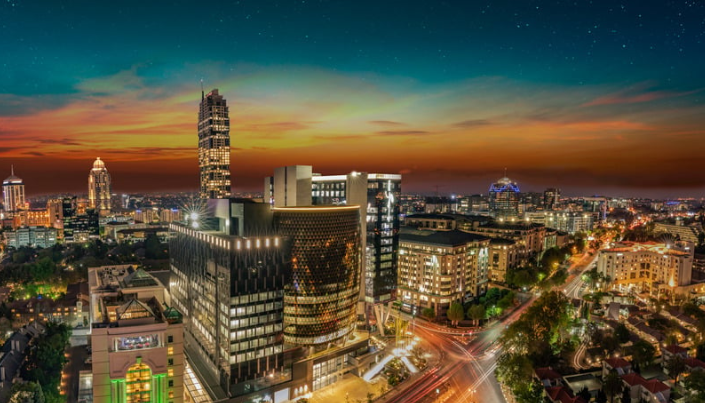
Africa in 2026 presents a unique and evolving landscape for those seeking a high quality of life.
Beyond traditional measures of wealth, livability today is defined by a blend of safety, healthcare, cost of living, climate, and the ease of day-to-day life.
The continent is no longer viewed as a single narrative but as a mosaic of opportunities, where urban development, technological progress, and social infrastructure intersect to shape how people experience their environments.

Quality of life has become a central consideration for professionals, remote workers, and families weighing where to live, work, or invest.
It encompasses not just the tangible elements such as housing, income, and access to services but also the intangible aspects that affect well-being: social stability, access to reliable healthcare, environmental comfort, and the sense of security in daily life.
Africa now offers an array of options for those seeking balance between affordability and lifestyle.
This article examines the continent’s leading destinations in terms of quality of life in 2026 and affordability, according to Numbeo Quality of Life Index 2026, which provides insights into what makes a location truly livable and how individuals can navigate the trade-offs between cost, convenience, and wellbeing.
Egypt offers one of the lowest living costs globally, but overall quality of life remains relatively low. The country records a Quality-of-Life Index of 81.9, reflecting challenges across income levels, infrastructure, and public services.
Affordability is Egypt’s biggest advantage. With a Cost-of-Living Index of 19.69, expenses are significantly low, making it attractive for remote workers earning in foreign currency.
The country benefits from a Climate Index of 86.83, rated very high, while safety (53.68) and healthcare (47.94) are both moderate, indicating average conditions.
However, lower purchasing power and infrastructure gaps continue to weigh on living standards, particularly in major cities like Cairo.
Egypt’s population is estimated at about 119.6 million in 2026, making it one of the most populous countries in Africa and the Middle East.
Overall, Egypt is a low-cost destination suited for budget-conscious remote workers, but it comes with trade-offs in quality of life and urban pressure.









