Follow Us on Google Discover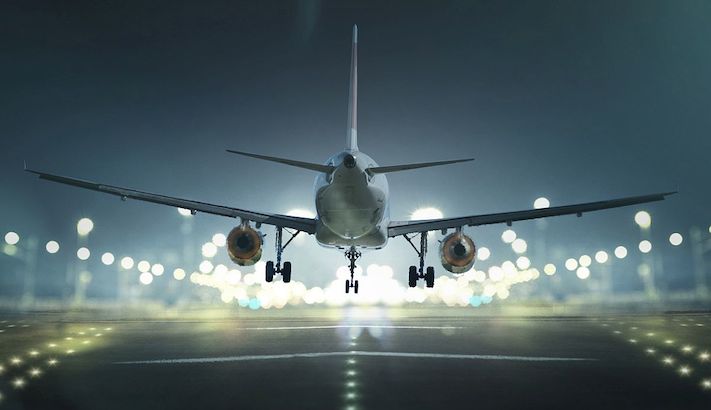
The International Energy Agency has advised that fewer air travels may be necessary to reduce the demand for jet fuel as global oil shortage worsens.
The IEA, in a Friday statement, suggested up to 10 options global citizens and policymakers can adopt to weather the impact of the oil crisis.
This comes as the Middle East conflict intensifies over the United States and Israel’s war against Iran.
What they are saying
The IEA noted that the war in the Middle East is creating a major energy crisis, including the largest supply disruption in the history of the global oil market.
Also Read
- “In the absence of a swift resolution, the impacts on energy markets and economies are set to become more and more severe,” IEA Executive Director Fatih Birol said in the statement.
- “A reduction in air travel, where alternatives exist, can significantly lower demand for jet fuel,” the statement said.
Beyond limiting air travel, the IEA proposed working from home where possible.
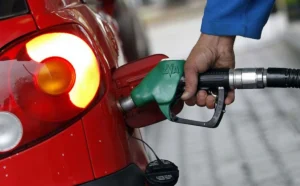
- “Working from home, where possible, reduces fuel demand for commuting, while lowering highway speed limits by at least 10 kilometres per hour cuts fuel use across both passenger vehicles and freight.
- “Encouraging a shift from private cars to public transport, alongside measures such as alternating private vehicle access in large cities, can further reduce congestion and fuel consumption.
- “Additional gains can be achieved through car sharing and more efficient driving practices, as well as improved efficiency in freight and delivery operations,” it added.
More insights
The IEA added that number-plate rotation schemes can reduce congestion and fuel-intensive driving.
Industry also has an important role to play, it noted. In countries where LPG supplies are under pressure, the IEA advised that facilities may be able to switch from LPG to alternative feedstocks such as naphtha.
- “This can free up LPG supply for urgent uses—and can be complemented by short-term efficiency and maintenance measures that can deliver additional reductions in oil consumption.”
- “Governments can lead by example through public sector measures, regulatory action, and targeted incentives, while ensuring that support for consumers is timed appropriately and focused on those most in need,” it said.
According to the IEA, experience from previous crises shows that well-targeted support mechanisms are more effective and fiscally sustainable than broad-based subsidies.
What you should know
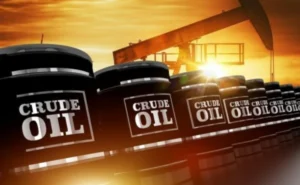
The Middle East conflict has triggered a large supply disruption in the global oil market, with shipping through the Strait of Hormuz, which normally carries around 20% of global oil consumption, reduced to a trickle.
- Around 20 million barrels per day of crude oil and oil products typically transit the Strait.
- The loss of these flows has tightened markets significantly, pushing crude oil prices above $100 per barrel.
- Earlier this month, IEA member countries agreed to release 400 million barrels of oil from emergency reserves—the largest stock draw in the Agency’s history. The US is expected to release 172 barrels out of this from its oil reserve.
Birol described the move as the largest oil release in the Agency’s 50-year history.
He noted, however, that keeping the Strait of Hormuz open remains the long-term solution.