Follow Us on Google Discover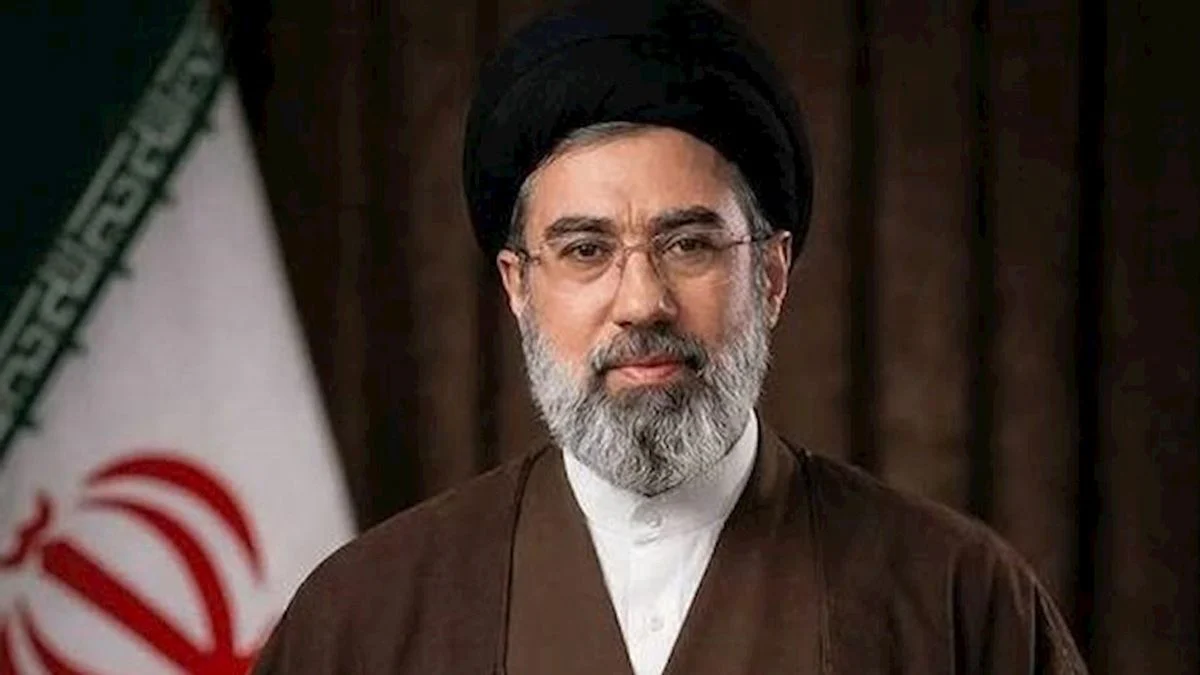
Iran has appointed Mojtaba Khamenei as the country’s new supreme leader, succeeding his father, Ali Khamenei, as the ongoing conflict involving Iran, the United States, and Israel continues to escalate.
The decision was announced early Monday by the Assembly of Experts, the clerical body responsible for selecting Iran’s supreme leader, following a vote held on Sunday.
The appointment comes amid heightened geopolitical tensions and a week-long war that has disrupted global oil markets, pushing crude prices above $100 per barrel.
What they are saying
The Assembly of Experts confirmed Mojtaba Khamenei’s appointment in a statement shortly after midnight in Tehran, declaring him the third supreme leader of the Islamic Republic.
Also Read
- “By a decisive vote, the Assembly of Experts appointed Ayatollah Seyyed Mojtaba Hosseini Khamenei as the third Leader of the sacred system of the Islamic Republic of Iran.”
- U.S. President Donald Trump said Washington should have a say in the selection, adding, “If he doesn’t get approval from us, he’s not going to last long.”
Following the announcement, Trump declined further comment in an interview with the Times of Israel, saying only, “We’ll see what happens.”
Trump also noted that any decision to end the war would be a “mutual” agreement between the United States and Israeli Prime Minister Benjamin Netanyahu.
The position of supreme leader gives Mojtaba Khamenei ultimate authority over Iran’s military, judiciary, and key state institutions.
More insights
The appointment comes as the conflict between Iran, Israel, and the United States intensifies, with both sides reporting casualties and expanding military actions across the region.
- Iranian officials say U.S.-Israeli strikes have killed at least 1,332 Iranian civilians and injured thousands more.
- The U.S. military reported that a seventh American service member died from wounds sustained during Iran’s initial retaliatory attacks.
- Washington has ordered the evacuation of non-emergency staff from its embassy in Saudi Arabia due to security concerns.
The United States has also reduced diplomatic personnel in Qatar, Kuwait, Jordan, and Bahrain since the conflict began.
Iranian state media reported that the country’s armed forces and the Islamic Revolutionary Guard Corps have pledged allegiance to the new supreme leader.
Get up to speed
Mojtaba Khamenei, a cleric with strong ties to Iran’s security establishment, had long been viewed as one of the leading candidates to succeed his father.
- He has built significant influence within Iran’s political and security institutions, particularly through close ties with the Islamic Revolutionary Guard Corps.
- Mojtaba also has connections to extensive business networks established during his father’s leadership.
- His father, Ali Khamenei, served as Iran’s supreme leader from 1989 until he was killed in one of the first strikes launched during the ongoing conflict.
The Assembly of Experts, made up of 88 clerics, is responsible for selecting the country’s supreme leader.
Iran’s security chief, Ali Larijani, said the Assembly of Experts proceeded with the vote despite security threats targeting the clerical body.
What you should know
The position of Iran’s supreme leader is the most powerful role in the country’s political system, overseeing the military, judiciary, and key aspects of government policy.
Ayatollah Ali Khamenei served as Iran’s supreme leader from 1989 until his death.
Nairametrics reported yesterday that Iran’s Assembly of Experts has reached a majority consensus on a successor to the late Ayatollah Ali Khamenei.