
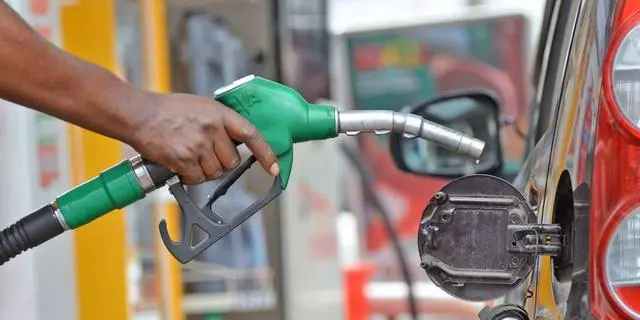
Several African countries continue to rank among the world’s cheapest destinations for petrol, driven largely by fuel subsidies, government price controls, domestic refining capacity, and access to crude oil reserves.
As of January 2026, Libya maintains a commanding lead as the continent’s cheapest fuel market, with prices far below global averages, while Angola and Algeria complete the top three, according to data from Global Petrol Prices.
The figures reflect average national retail petrol prices across African countries and were last updated on January 26, 2026. Prices are quoted in US dollars per litre and converted into local currencies at prevailing exchange rates.


The rankings are compiled using data from Global Petrol Prices, a widely referenced database that tracks national average retail energy prices in more than 150 countries and over 250 cities worldwide. The platform updates its data weekly and covers petrol, diesel, electricity, and natural gas. While the data provides a useful benchmark, actual pump prices may vary by city, supplier, and distribution costs within each country.
Below are the top 10 African countries with the cheapest petrol prices per litre as of January 2026:
Libya remains Africa’s cheapest fuel market, with petrol priced at just $0.024 per litre, or roughly 0.15 Libyan dinar. This ultra-low cost is largely sustained by heavy state subsidies, supported by the country’s vast oil reserves and minimal domestic taxation, placing Libyan fuel among the cheapest in the world.
Despite these heavily subsidized prices, Libya faces chronic domestic shortages and widespread smuggling. The significant price gap between Libyan fuel and that of neighboring countries has incentivized large-scale diversion of subsidized fuel, with estimates suggesting that up to 30% of imported fuel is smuggled across borders. These dynamics have prompted ongoing discussions among policymakers about gradually phasing out subsidies to reduce economic losses and improve supply management.
The government is also grappling with logistical challenges, including aging refinery infrastructure, security issues, and disruptions caused by political instability, all of which exacerbate shortages despite abundant crude production.
Broader context
While low fuel prices can ease transport costs and inflationary pressures, they often come at a high fiscal cost, particularly for subsidy-dependent economies. Several African governments are under increasing pressure to reform fuel pricing to reduce budget deficits and redirect spending to infrastructure, health, and education.
As a result, the rankings may change rapidly in the coming years as subsidy reforms, currency movements, and global oil price fluctuations reshape domestic fuel markets across the continent.