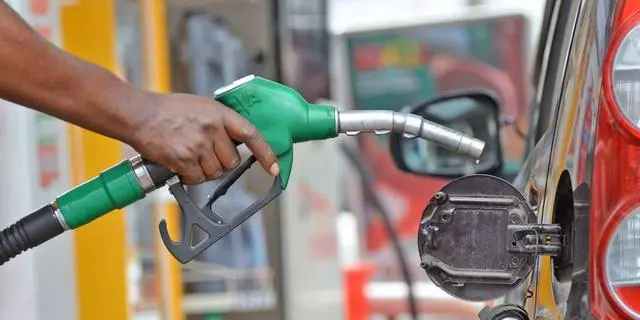
Several African countries continue to rank among the world’s cheapest destinations for petrol, driven largely by fuel subsidies, government price controls, domestic refining capacity, and access to crude oil reserves.
As of January 2026, Libya maintains a commanding lead as the continent’s cheapest fuel market, with prices far below global averages, while Angola and Algeria complete the top three, according to data from Global Petrol Prices.
The figures reflect average national retail petrol prices across African countries and were last updated on January 26, 2026. Prices are quoted in US dollars per litre and converted into local currencies at prevailing exchange rates.


The rankings are compiled using data from Global Petrol Prices, a widely referenced database that tracks national average retail energy prices in more than 150 countries and over 250 cities worldwide. The platform updates its data weekly and covers petrol, diesel, electricity, and natural gas. While the data provides a useful benchmark, actual pump prices may vary by city, supplier, and distribution costs within each country.
Below are the top 10 African countries with the cheapest petrol prices per litre as of January 2026:
Rounding out the top 10, petrol in Niger costs $0.903 per litre, equivalent to about 499 West African CFA francs. For comparison, the average global price of diesel during the same period stood at about 693.51 West African CFA francs, highlighting Niger’s relatively lower fuel costs despite its structural constraints.
Although Niger is a landlocked country with limited domestic refining capacity and heavy dependence on imported petroleum products, it benefits from regional supply arrangements and targeted government interventions that help cushion domestic pump prices from full exposure to international market volatility.
The current regulated prices reflect a downward adjustment implemented in 2024, when the government cut fuel prices as part of broader measures to ease economic hardship and rising living costs following a prolonged period of political and economic instability. Since then, authorities have maintained controlled pricing to support households, transport operators, and small businesses, even as global energy prices fluctuate.