
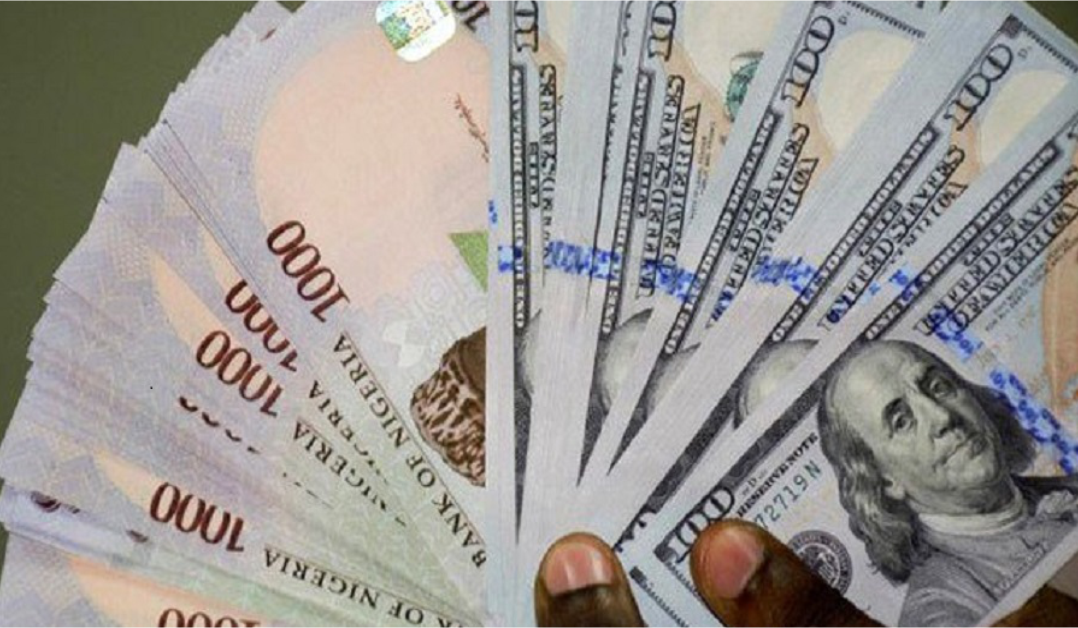
Nigeria’s currency, the naira, extended its rally in the foreign exchange market on Thursday, appreciating to N1,385 per US dollar, as the US dollar weakened globally.
Data from the Central Bank of Nigeria showed the currency gaining significantly in the official Nigerian Foreign Exchange Market, reflecting improving sentiment around both global and domestic currency conditions.
The development comes amid shifting expectations for the US economy and monetary policy, alongside domestic reforms aimed at improving FX liquidity and transparency.


What the data is saying
CBN data from the Nigerian Foreign Exchange Market showed a strong intraday performance for the naira, demonstrating sustained momentum in the official market. The appreciation marked a continuation of gains recorded earlier in the week.
- The naira traded as strong as N1,367 per dollar during intraday trading.
- The weakest level recorded during the session was around N1,400 per dollar.
- The currency eventually closed near N1,385 per dollar in the official market, up from N1,394/$ on Wednesday.
The trading pattern highlights increased dollar supply and reduced pressure on the naira within the regulated FX window.
More Insights
Developments in global currency markets played a key role in supporting the naira’s performance during the trading session. The US dollar came under pressure earlier in the week due to easing expectations around interest rate hikes and improving sentiment in global risk markets.
- The dollar weakened as investors grew more optimistic that the US government could avoid a shutdown, reducing demand for safe-haven assets.
- Reports that US President Donald Trump may soon announce a nominee to lead the US Federal Reserve added to speculation around the future direction of American monetary policy.
- Softer inflation data from major economies, including Japan, contributed to shifting investor sentiment away from the dollar.
Although the dollar recorded a modest rebound later in the week, the broader tone in global FX markets remained tilted toward a weaker greenback, providing support for emerging market currencies such as the naira.
These developments reflect a combination of stronger FX inflows and policy-driven reforms in Nigeria’s foreign exchange framework.
- Improved FX liquidity, supported by inflows from exports, remittances, and other financial sources, has boosted dollar availability in the market.
- Rising external reserves have strengthened the CBN’s capacity to manage volatility and stabilise the currency.
- Reforms such as the Electronic Foreign Exchange Matching System have improved transparency and governance, helping to narrow the gap between official and informal exchange rates.
What you should know
The naira’s recent gains come amid ongoing efforts by Nigerian authorities to stabilise the FX market and attract foreign investment. While the appreciation in the official market has been encouraging, analysts note that sustainability will depend on broader economic conditions.
- Continued stability will be influenced by oil price performance, which remains a key source of foreign exchange inflows.
- Sustained FX inflows from trade, remittances, and investments will be critical to maintaining momentum.
- In the parallel and bureau de change segments, the naira has also shown improvement, though at different rates, reflecting ongoing market adjustments