
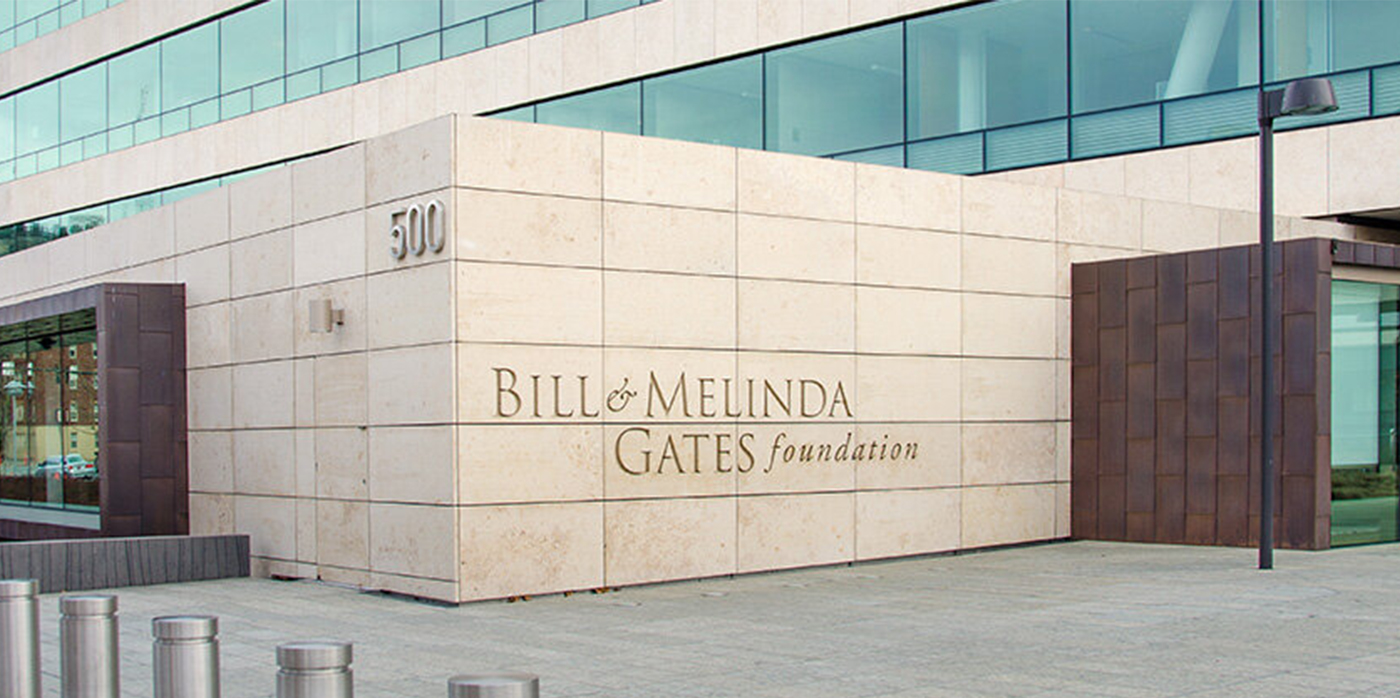
The Bill & Melinda Gates Foundation and OpenAI have announced a $50 million partnership to help African countries apply artificial intelligence to fragile health systems.
The initiative, called Horizon1000, was unveiled on Tuesday and will begin in Rwanda, with plans to expand to other countries over the next several years. The program aims to reach 1,000 clinics and surrounding communities by 2028.
According to a blog post by Bill Gates, the partnership is designed to use AI to improve primary health care delivery, particularly in countries where shortages of doctors, nurses and medical facilities hinder access to quality care.


The foundation emphasized that AI will support, not replace, frontline health workers, improving diagnosis, patient record management, and overall clinic efficiency.
What they are saying
The Gates Foundation and OpenAI highlighted the transformative potential of AI in under-resourced health systems.
- “Artificial intelligence could expand access to quality health care in places with too few doctors, nurses and clinics,” Bill Gates said.
- “Our goal is to support frontline health workers, not replace them, by improving diagnostics and streamlining patient care,” the foundation added.
OpenAI noted its role will focus on providing technical expertise and helping ensure AI tools are ethically deployed.
Officials involved in the project stressed the importance of close collaboration with governments and local health institutions to make the technology both effective and contextually appropriate.
Backstory
The Horizon1000 partnership builds on years of investment by the Gates Foundation in digital health and disease surveillance initiatives across Africa.
The foundation has previously funded electronic medical records systems, mobile health applications, and AI-driven disease monitoring platforms.
Sub-Saharan Africa currently faces a shortage of roughly six million trained health professionals, limiting progress against preventable deaths from infectious diseases, maternal complications, and childhood illnesses.
Rwanda, the program’s first focus, has invested heavily in health innovation, establishing an AI health center in Kigali and integrating drone-based delivery of medical supplies.
In 2025, the Gates Foundation announced a $2.5 billion commitment to accelerate research and development in women’s health, funding more than 40 innovations across historically underfunded areas, particularly in low- and middle-income countries. Dr. Anita Zaidi, president of the foundation’s Gender Equality Division, said women have long suffered from health conditions that are misunderstood, misdiagnosed, or ignored.
In June 2025, the Federal Government of Nigeria signed an agreement with the Gates Foundation to establish the Nigerian AI Scaling Hub with $7.5 million in funding and technical expertise.
The region’s health worker deficit and shrinking international aid budgets have created an urgent need for scalable, cost-effective solutions.
What you should know
Horizon1000 will begin with pilot programs in Rwanda, targeting improvements in maternal care, disease detection, and rural clinic efficiency.
The initiative will test AI tools for diagnostics, patient record management, appointment scheduling, and health worker training.
OpenAI will provide the technical AI infrastructure, while the Gates Foundation will manage partnerships with governments and public health institutions.