
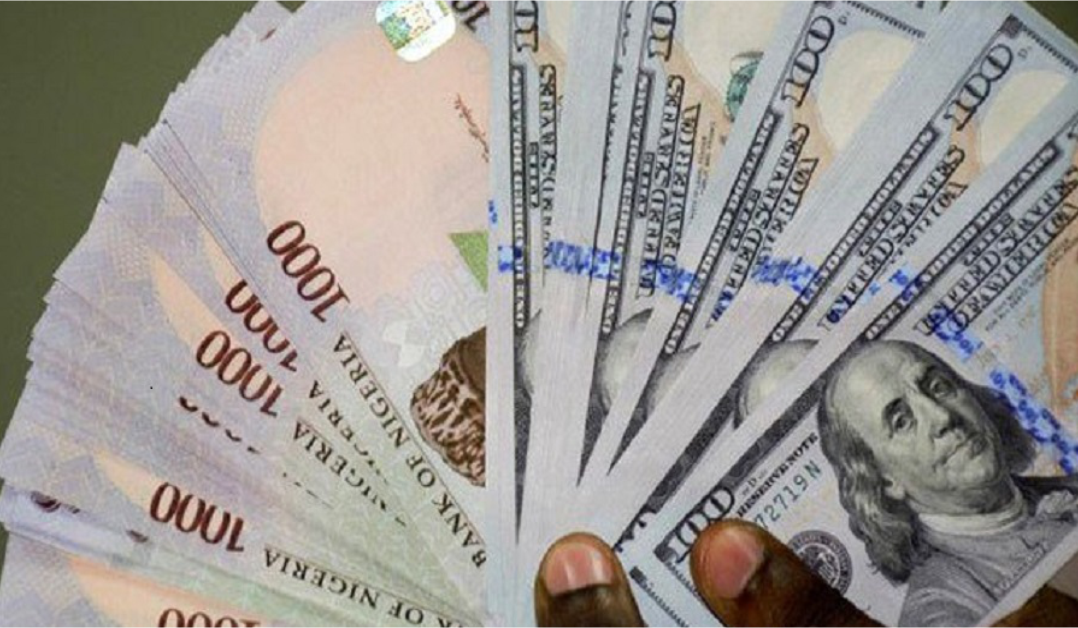
The Naira closed at N1,417.95 to the US dollar on Friday, marking a slight appreciation for the third trading week of January 2026.
This is according to data from the Central Bank of Nigeria (CBN).
This represents a modest week-on-week gain from last Friday’s close of N1,424.5/$.


The currency remained relatively stable throughout the week, trading at N1,425/$ on Monday, N1,420.25/$ on Tuesday, N1,419.5/$ on Wednesday, N1,420/$ on Thursday, before settling at N1,417.95/$ on Friday.
What the data is saying
The marginal appreciation of the naira comes amid moderate gains in Nigeria’s external reserves.
- The CBN reported that foreign reserves closed the week at $45.8 billion, up from $45.6 billion the previous week.
- The gradual build-up of reserves is partly credited to ongoing inflows from oil exports and portfolio investments.
- Analysts suggest that the stable trading pattern signals cautious optimism among investors and forex market participants.
Despite the week-on-week gain, the naira remains under pressure from persistent demand for foreign currency in both the official and parallel markets.
Why this matter
The stability of the naira is critical for Nigeria’s economy, particularly in controlling inflation and supporting business transactions denominated in foreign currencies.
- A stronger naira reduces the cost of imports, which can help ease price pressures on consumer goods.
- Conversely, excessive volatility in the exchange rate could impact investor confidence and the cost of servicing external debt.
- The CBN’s steady interventions in the forex market are aimed at maintaining stability while conserving dwindling foreign reserves.
Analysts warn that sustaining gains will depend on continued forex inflows and effective management of domestic economic pressures, including inflation and government spending.
What you should know
Nigeria’s foreign reserves have remained relatively stable above $45 billion since the start of the year, providing a buffer against external shocks and supporting the naira’s trading in the official market.
- The CBN regularly publishes official exchange rates, which guide transactions in banks and official bureaux de change.
- Market participants closely watch these rates alongside parallel market movements to gauge the currency’s trajectory.
- Previous interventions by the CBN have included the supply of forex to end-users and efforts to curb speculative activities that can destabilize the naira.
The performance of the naira this week reflects cautious market optimism, but experts note that sustaining stability will require continued economic reforms, improved forex inflows, and careful monitoring of the external environment.
During the week, Nigeria’s headline inflation eased sharply to 15.15% in December 2025, following a methodological review by the National Bureau of Statistics.