
 Follow Us on Google Discover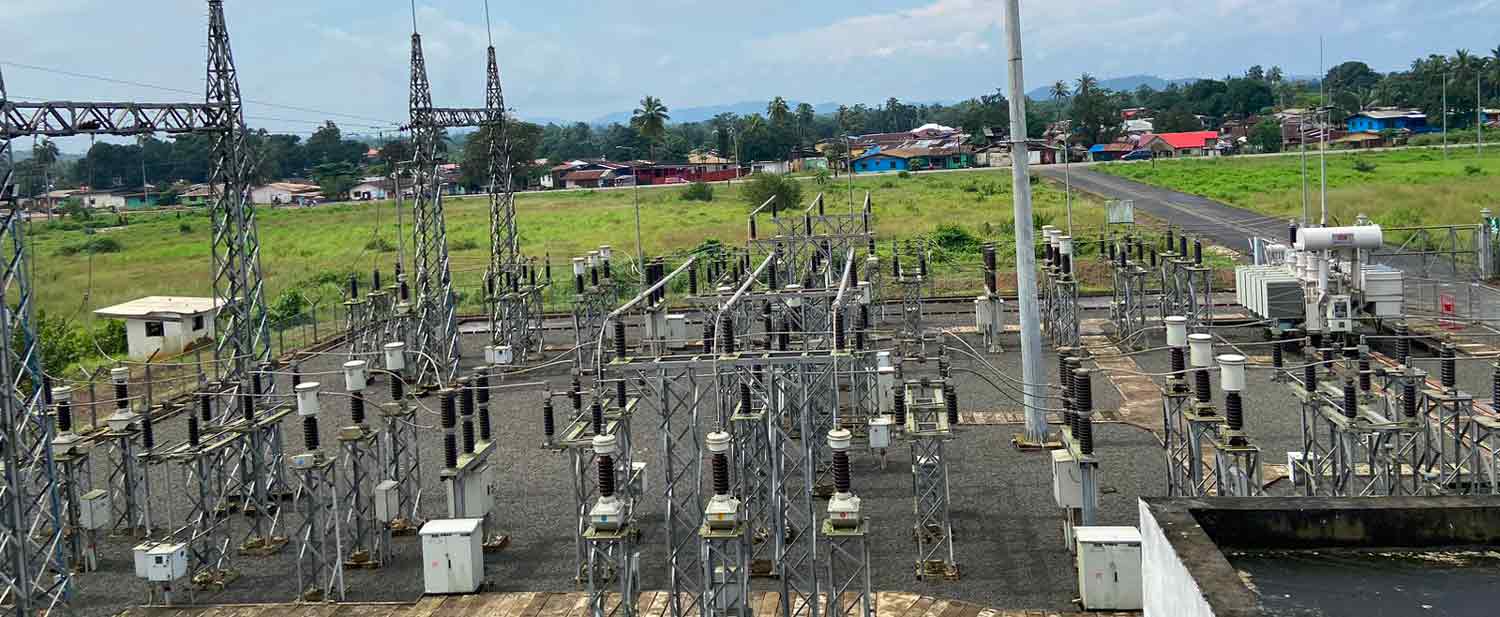
- It’s not innovation. It’s infrastructure arbitrage and the West just woke up
In the pantheon of African business, few names command more respect than Femi Otedola, Tony Elumelu, and Aliko Dangote.
These titans didn’t build empires by chasing deals; they engineered systems.
And in the high stakes’ world of African energy, a quiet revolution is underway: the winners aren’t those with the most gas, but those with the strongest grip.
Forget the myth of the lone hero lighting up the continent. The new power players aren’t just building plants, they’re building platforms.
From Lagos to Cape Town, Nairobi to Johannesburg, integrated energy systems are outpacing standalone projects, attracting capital at an accelerating rate.
The numbers tell the story: 83% of institutional capital now flows into integrated infrastructure platforms, up from just 41% in 2020. This isn’t evolution, it’s a hostile takeover of the old model.
And the reason is simple: capital isn’t betting on potential. It’s demanding structure.
Africa needs $130 billion annually in energy infrastructure through 2030 to close its demand supply gap (Africa, World Energy Investment 2025). Yet actual investment delivers only 40 to 45% of that target, not because capital is absent, but because the structure isn’t secure enough to hold it.
The new elite understands that capital waits for four things:
- Contract quality legally airtight, bankable agreements
- Routing control ownership of transmission, wheeling, and distribution
- Cash discipline transparent, predictable revenue flows
- Downside ownership skin in the game, aligned incentives
Miss one, and capital walks.
This is why the era of the single asset project is ending. Dangote’s $19 billion refinery is an engineering marvel but also a cautionary tale.
A monolithic asset in a single jurisdiction, exposed to political risk, currency volatility, and regulatory bottlenecks.
It commands attention, but not necessarily trust. The new titans, Heirs Holdings, Actis, Cardinal Stone are playing a different game.
They’re building multi-asset, multi-jurisdiction platforms engineered for resilience, liquidity, and exit. Consider Femi Otedola. He didn’t just sell Geregu Power, he transformed it.
By integrating gas supply, power generation, and wheeling infrastructure across states, he turned a power plant into an optionality engine.
Today, he’s not selling electricity. He’s selling negotiating power.
That’s the platform premium. Data doesn’t lie: platform-backed energy assets command 32% higher valuations than standalone projects.
The $600 million Sahara Energy Platform raised in Q4 2025 wasn’t priced on kilowatt hours it was priced on jurisdictional diversity, covenant strength, and exit readiness.
Investor appetite isn’t soft. It’s structural. Capital pays for certainty, not just capacity.
The Platform Advantage: A Case Study
Transnational Energy, a Heirs Holdings company, spans Nigeria, Zambia, and Uganda.
With a unified governance layer and standardised capital structure, it has attracted $1.2 billion in investment, achieving a 19% IRR floor and robust covenant protection.
How?
Regulatory arbitrage: Operating across three jurisdictions spreads political and policy risk.
Network effects: Shared gas supply, grid access, and offtake agreements reduce costs and increase margin stability.
Exit liquidity: Strategic buyers global energy firms, pension funds, infrastructure funds prefer platforms. They scale. They exit cleanly.
This is the power of grip: turning assets into systems, and systems into leverage.
Compare this to the traditional model: a developer secures land, signs a power purchase agreement (PPA), raises project finance, builds a plant, and hopes the government pays.
One broken promise delayed tariff approval, currency devaluation, contract renegotiation and the project collapses.
Platforms insulate against this. They diversify across regulations, currencies, and buyers, creating redundancy that equals resilience.
The Investment Thesis: Platform Premium We believe Africa’s energy sector is on the cusp of a platform-driven revolution. Capital is rotating hard into structured, multi-asset vehicles.
The return potential? 3x to 5x over the next 3 to 5 years.
Why?
Regulatory arbitrage: Platforms balance exposure across high and medium risk jurisdictions, optimising returns while managing volatility.
Network effects: Shared infrastructure (e.g., common gas pipelines, digital control systems) reduces per unit costs. Cross asset offtake agreements create revenue stability.
Exit liquidity: Platforms attract bids from majors and infrastructure funds, commanding 32% plus valuation premiums over single asset projects.
The market has spoken. And it is pricing governance over generation, structure over scale, and exit readiness over output.
That’s the paradox: Africa doesn’t need more gas. It needs governance. It doesn’t need more plants. It needs platforms.
The era of the lone entrepreneur burning midnight oil to keep a generator online is ending. The era of structured, covenant-locked, multi-jurisdictional, exit-ready platforms has begun.
Target Opportunities
The future belongs to those who build or back the right systems. Priority opportunities include: Multi-country renewable platforms (solar, wind, storage): Bundling generation with cross-border transmission and digital load management creates bankable, scalable models.
Morocco to Europe solar highways and Niger Basin regional grids are early examples.
Cross-border gas networks: From Nigeria’s reserves to Ghana’s demand, and Angola’s fields to Namibia’s ports, integrated gas transmission and distribution unlock regional markets and attract long term tolling agreements.
Energy as a Service (EaaS) platform: Think “cloud for power.” Embedded offtake, metered billing, and predictive maintenance turn energy into a subscription model. Industrial parks, mining firms, and telecoms are clamouring for it.
Africa’s energy future won’t be decided in boardrooms in London or legal clauses in Dubai. It will be won by those on the ground who control the full chain from gas flare to grid access, from metered billing to exit strategy.
The playbook is clear: bundle assets, stretch across borders, lock in covenants, and build with an exit in mind. Sentiment doesn’t attract capital. Structure does. The titans know this.
The rest are running behind. If you’re not building a system, you’re just running a project, and projects get crushed when the tide turns.
- Linda Obi works in capital deployment for energy and mining, co-investing with one of the market’s most significant family offices.

Beyond rhetorics, can the writer explain in simple English what she means by building integrated platforms…While at it can she explain in simple terms what HEIRS ENERGY( she seemed to have emphasized) is doing somethng unique which stands it out from saying Dangote..Does the evidence of capital pull by Dangote and HEIRS for instance merely asserts but does not demonstrate her arguments….In short how much can HEIRS energy muster in terms of Capital internationally and locally as against just the Dangote Refinery…. Finally what is even the point of this piece ???…Image laundering or slandering???
So much energy dispensed praising heirs. Writer should have just written to be their PRO.
Fyi, other local companies are doing great with the opportunities they have. Not everyone hops for international funding. See what IMF is doing to most 3rd world countries in particular when they can be self sufficient if their local resources are well managed internally.