Follow Us on Google Discover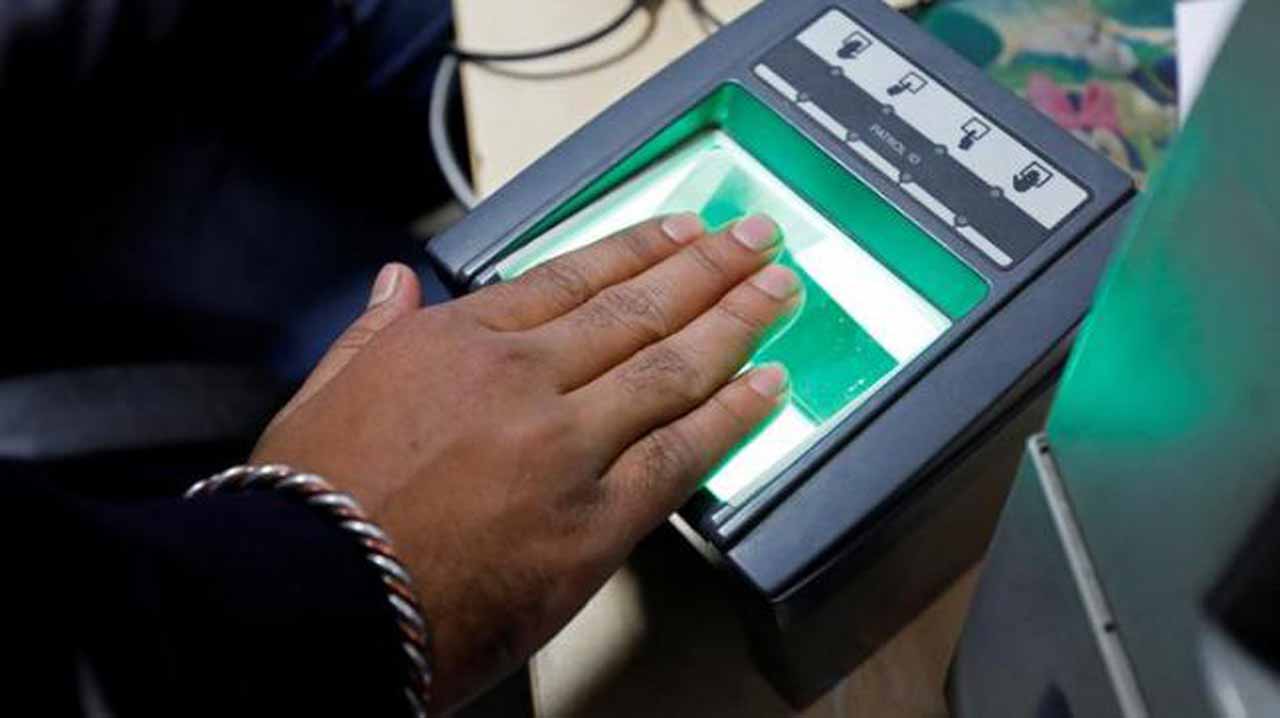
Bank Verification Number (BVN) enrollments in Nigeria reached 67.8 million by December 2025, marking a notable expansion of the database that underpins identity verification across the country’s banking sector.
This is according to newly released data by the Nigeria Inter-Bank Settlement System (NIBSS).
The latest total reflects continued growth from 63.5 million in 2024, representing an increase of more than 4.3 million registrations over the past year, and underlining the ongoing uptake of biometric identification in financial services.
What the data is saying
The NIBSS data traces five-year BVN enrolment trends and highlights steady annual increases:
Also Read
- 2021: 51.9 million
- 2022: 56.0 million
- 2023: 60.1 million
- 2024: 63.5 million
- Dec 2025: 67.8 million
This shows a roughly 6.8% year-on-year increase between 2024 and 2025, sustaining the database’s upward trajectory amid broader financial inclusion efforts.
Drivers of growth
The rise in BVN enrolments through 2025 is closely linked to policy interventions and enforcement directives from the Central Bank of Nigeria (CBN) and industry practice:
- The CBN’s instruction to freeze bank accounts without BVN and National Identification Number (NIN) from April 2024 significantly boosted registrations, pushing customers to obtain BVNs to retain access to active banking services.
- The introduction and expansion of the Non-Resident Bank Verification Number (NRBVN) initiative has enabled Nigerians in the diaspora to register for a BVN remotely, removing physical barriers and increasing cross-border financial engagement.
- The NRBVN initiative is seen as a major milestone in the CBN’s efforts to expand financial inclusion and integrate the Nigerian diaspora into the country’s economic activities.
Why it matters
The roughly 4.3 million increase over the year demonstrates strengthening compliance with biometric identity requirements, but also highlights that nearly 70 million Nigerians are now formally linked to the country’s banking identity infrastructure.
Industry analysts say this expansion supports multiple goals, which include:
- Improved fraud prevention and risk management across financial institutions
- Stronger customer identification that enhances anti-money laundering (AML) and know-your-customer (KYC) practices
- Broader financial inclusion, particularly for previously excluded or under-served populations
Despite the growth, the BVN total still lags behind the total number of active bank accounts in Nigeria, which stood at over 320 million as of March 2025, indicating multiple accounts per BVN and some unregistered customers.
This disparity underscores ongoing challenges, including unenrolled segments of the banked population who may not have registered BVNs.
What you should know
A BVN is a unique biometric identity number issued to bank customers to link all their accounts across Nigerian banks and protect against unauthorized access.
The BVN system is a cornerstone of Nigeria’s financial infrastructure, designed to uniquely identify customers and reduce identity-related fraud while enabling seamless verification across banks.
Its growth reflects regulatory pressure and increased adoption of digital identity tools by citizens.