Follow Us on Google Discover
Nigeria’s largest banks set aside a combined N1.96 trillion in the first nine months of 2025 as impairment charges to cover potential loan losses.
This represents a sharp increase from about N1.32 trillion (up 49%) in the same period of 2024.
Crucially, this surge in provisioning comes as the Central Bank of Nigeria (CBN) begins unwinding its pandemic-era forbearance measures, regulatory relief that previously allowed banks to restructure exposures and delay the classification of non-performing loans.
The apex bank has since flagged banks still under forbearance for “close supervisory engagement.”
Under the revised framework, banks that continue to benefit from forbearance are restricted from paying dividends, issuing executive bonuses, or expanding offshore operations, while those that have met the minimum requirements are transitioning out.
Ahead of the full unwind in March 2026, the CBN disclosed that at least eight banks have already met the requisite forbearance-related standards, signaling an improving regulatory stance.
Against this backdrop, Nairametrics reviewed the financial statements of Nigeria’s top listed banks to determine those with the largest impairment charges so far in 2025.
Below is the ranking of the eight banks with the biggest loan-loss provisions as of Q3 2025.
Wema Bank Plc – Net impairment N11 billion
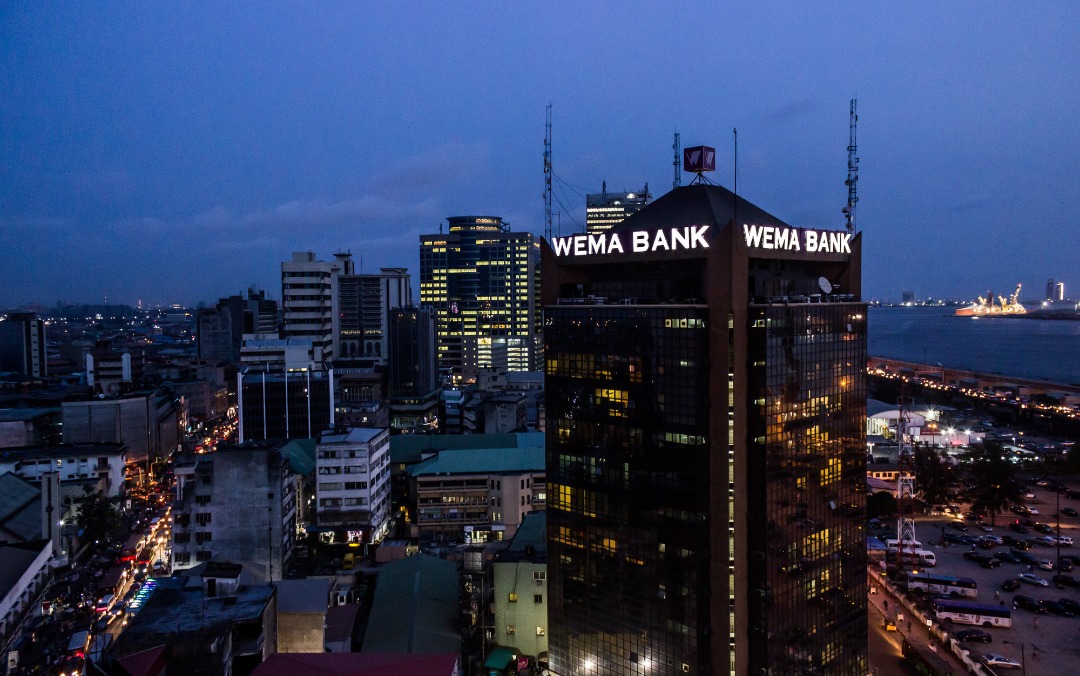
Wema Bank’s impairment stood at N11.0 billion, slightly below the N11.68 billion reported last year (–6%). Loan growth was strong (+30% YoY), yet risk assets remained under control.
Most of Wema Bank’s impairment occurred in the third quarter of 2025, estimated at about N10 billion.
The bank also recorded recoveries of N4.29 billion in the first nine months of 2025, which helped reduce its net provisioning to N11 billion, one of the lowest in the industry.
Stanbic IBTC Holdings Plc – Net Impairment N11.6 billion
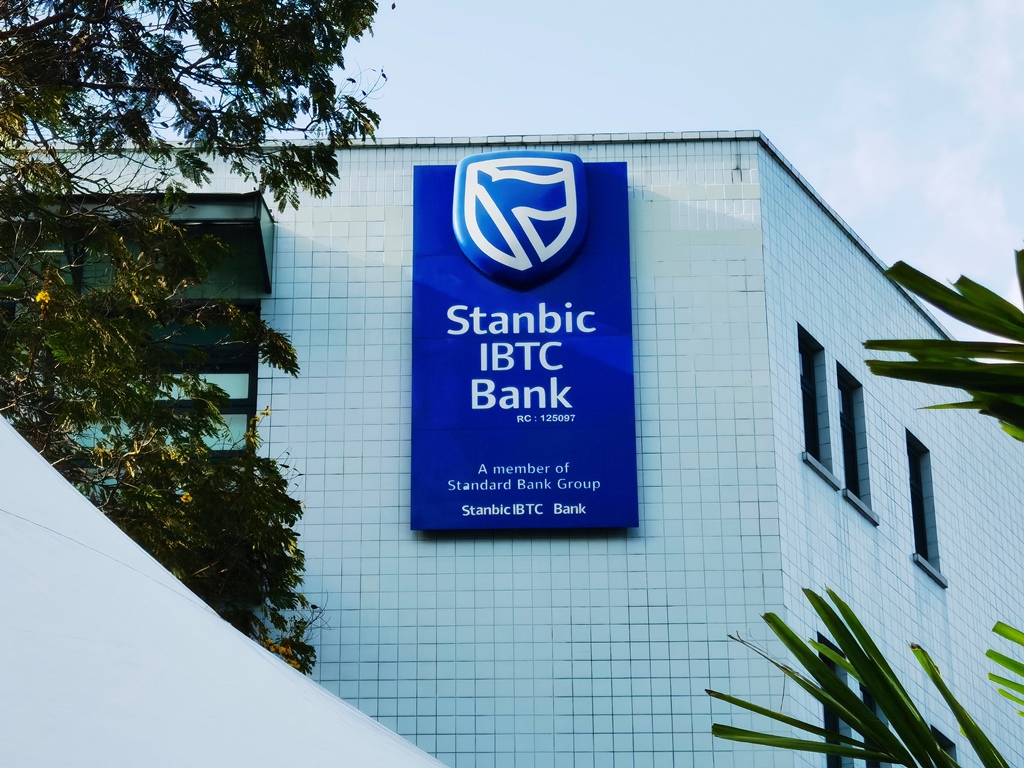
Stanbic reported a sharp decline in impairments to N11.6 billion (–80% YoY), owing to improved loan recoveries and minimal credit deterioration.
According to information contained in the bank’s half-year earnings release, “Credit impairment charges drop was driven by recoveries on previously written-off facilities and provision releases following repayments on impaired loans”.
The bank recorded about N16.3 billion in various write-backs in the period under review as it recovered previously provisioned loans. This helped reduce its impairments to N11.6 billion.
Stanbic IBTC stated that its NPL ratio was 4.75% as of the second half of the year, down from 4.2% at the end of 2024. The bank reported a total loans and advances of N2.63 trillion as of September 2025.
Guaranty Trust Holding Company (GTCO) – Net Impairment N69.8 billion
GTCO’s impairment expense rose modestly to N69.8 billion (vs N63.6 billion) for the nine-month period ended September 2025, reflecting more conservative ECL modelling and exposure diversification.
GTCO had mentioned that impairment charges increased to N55.0bn, due to “write off of a key oil & gas exposure, consistent with the Group’s conservative risk management framework”.
The bank also made a recovery of N4.1 billion during the year under review, helping reduce the loans provisioned in the period under review.
Despite this increase, GTCO’s net interest income rose by 21.8% YoY to N952.1 billion, showing that higher yields on assets comfortably absorbed the impairment burden.
GTCO post one of the best metrics in the Nigerian Financial Services Industry in terms of key financial ratios i.e., Pre-Tax Return on Equity (ROAE) of 39.5%, Pre-Tax Return on Assets (ROAA) of 7.6%, Capital Adequacy Ratio (CAR) of 36.5% and Cost to Income ratio of 28.8%.
United Bank for Africa (UBA) – Net Impairment N123.5 billion

UBA recorded a N56.9 billion impairment charge, a significant reduction from N123.5 billion (–54% YoY), driven by recoveries and improved credit-risk models across its African network.
UBA’s reduced impairment charge was aided by a massive recovery of N50.4 billion reported in the first 9 months of the year. Included in this recovery was N19 billion achieved in the third quarter of 2025.
According to notes in the company accounts shows the bank incurred credit-loss allowances of N84.97 billion, write-offs of N7.3 billion, and recoveries of N50.4 billion, indicating proactive loan-book management and better collateral recovery.
According to the bank’s commentary per its latest filing, “Shareholders’ funds expanded by 26% to N4.3 trillion, underscoring the continued confidence of investors in the Group’s strategy, while capital adequacy and liquidity ratios remain well above regulatory thresholds and provide significant buffers to support continued growth,”
First HoldCo – Net Impairment N288.9 billion

First HoldCo reported N288.9 billion in impairments, a 68.6% increase from N171.4 billion the previous year, largely due to revaluation of legacy exposures and macro-sensitive loans in energy and trade sectors.
Nonetheless, the impact was partly offset by higher interest income and strong non-interest revenues in the period under review.
Included in the provisioning for the period under review is about N100 billion, which it incurred in the third quarter of 2025, suggesting a more aggressive write-down in line with the central bank’s sunset of forbearance for the banking sector.
FirstHoldCo had stated that the increase in impairment charges was to allow them “further strengthen the balance sheet to cover unresolved forborne loans”.
It also mentioned that included in its priorities was the need to “achieve full resolution of forbearance loans by financial year end 2025”.
Access Holdings Plc – Net Impairment N350 billion
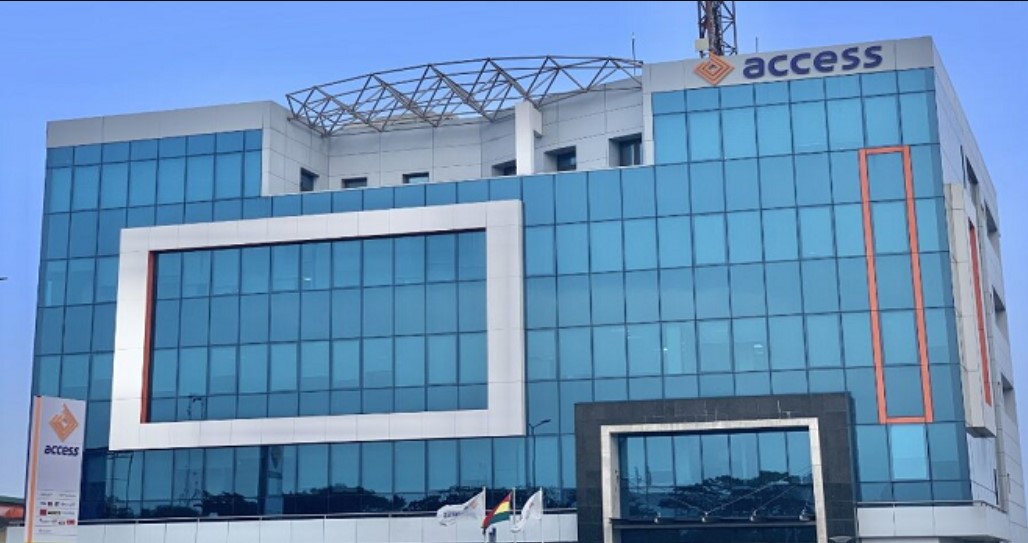
Access Holdings’ impairment charge climbed sharply by 141.5% YoY to N350 billion, following higher Expected Credit Loss (ECL) provisioning amid FX volatility and a larger loan portfolio.
According to information contained in the company’s 9months interim results, about N255 billion of the impaired loans were from loans to corporate entities and other organizations. The balance were loans to individuals.
Access Holdings also appears to have seen its loan provisioning increase by a whopping N100 billion in the third quarter of the year, signalling aggressive provisioning ahead of meeting the CBN’s forbearance mandates.
The holding company noted that its Nigerian operations “experienced underperformance during the period, attributable to changing macroeconomic conditions, inflationary pressures, and continued regulatory adjustments.”
The cost-to-income ratio (CIR) improved to 54.6% in Q3 2025 from 60.8% as at Q3 2024.
Access Holding has one of the largest loan books in the country with a total loans and advances of N15.6 trillion.
Ecobank Transnational Incorporated (ETI) – Net Impairment N393.7 billion
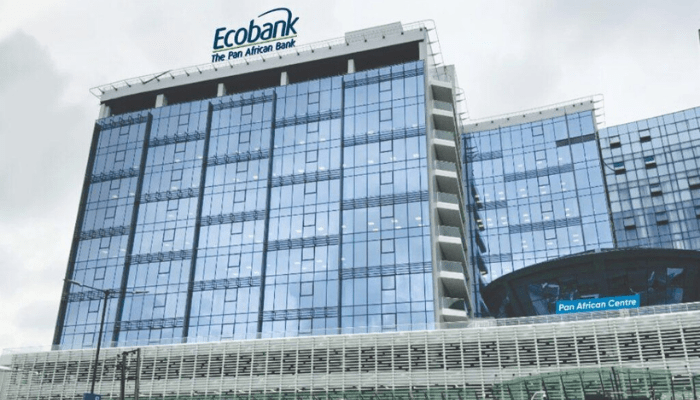
ETI’s provisions surged 47% YoY to N393.7 billion, driven by challenging conditions in its key markets, particularly Ghana and Nigeria, where inflation and FX volatility impacted loan quality.
The actual loans provisions were a whopping N530.3 billion; however, recoveries of about N185.6 billion helped reduce the total provisioning for the period under review to N393.7 billion.
Ecobank’s asset quality improved in the review period, with the Group’s Non-Performing Loans (NPL) ratio declining to 5.3% from 7.0% in the first quarter of 2024.
The bank said it has “increased provisions for expected credit losses (ECL) to strengthen its balance sheet against potential risks”. Its loan-to-deposit ratio is 50.5% compared to 52.3% in Q3 2024.
Ecobank reported a total Capital Adequacy Ratio (CAR) of 16.8% as of September 30, 2025. Both ratios were well above regulatory minimums by 440 and 430 basis points, respectively.
ETI is also one of the largest banking group’s operating not just in Nigeria but in Africa and has a total loan and advances of about $14.2 million or N21.1 trillion.
Zenith Bank Plc – Net Impairment N781.5 billion
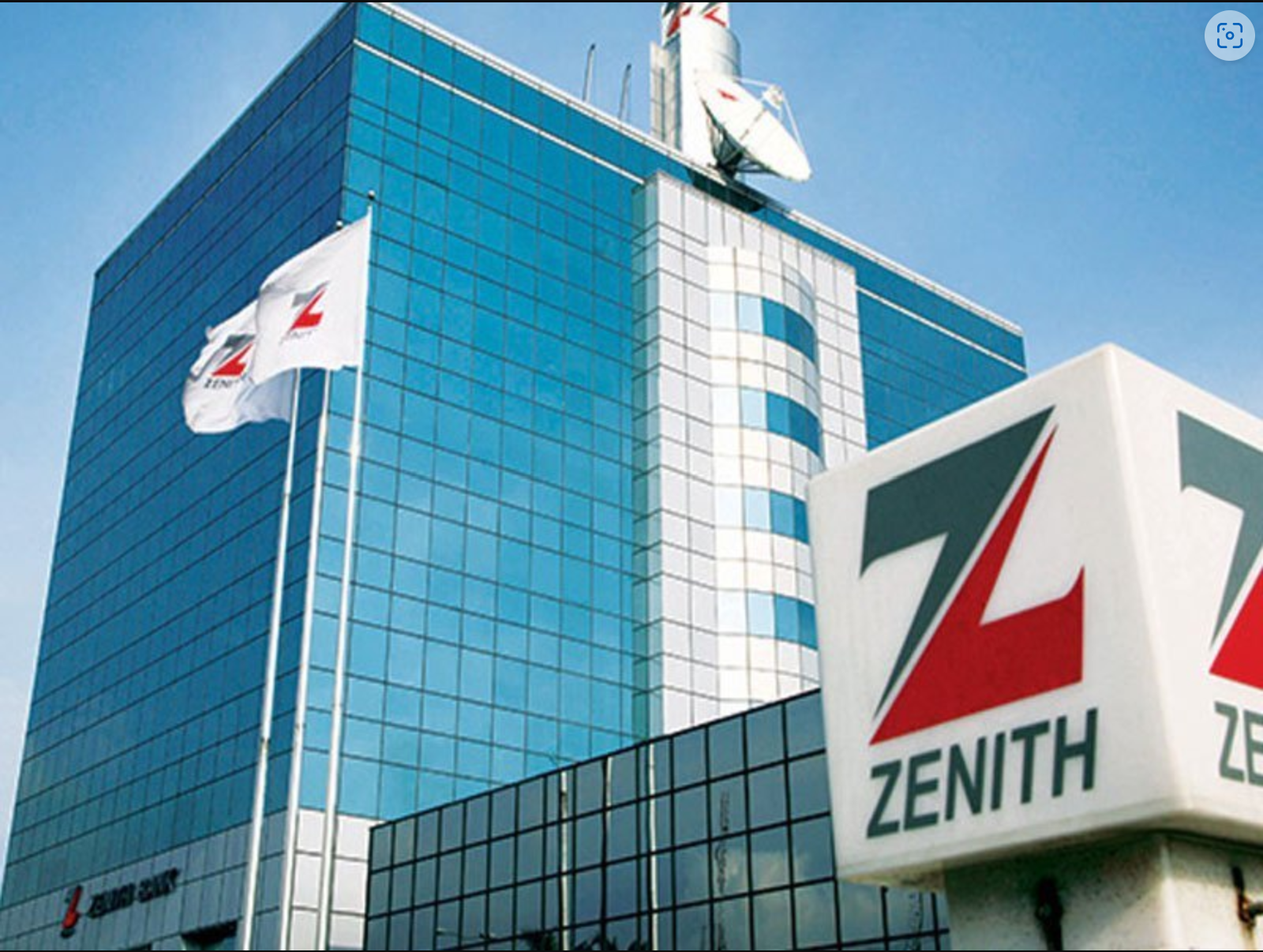
Zenith Bank posted the highest impairment charge of N781.5 billion, up 63.6 % from N477.8 billion in 2024. The actual provisioned loans topped N830 billion but was reduced by loan recoveries.
This increase in loans impaired stemmed from higher provisioning on foreign-currency-denominated loans and macroeconomic headwinds, especially in line with the central bank’s forbearance mandate.
The bank had mentioned that its ‘elevated provisioning” was due to the industry‑wide wind‑down of the CBN forbearance regime, as the bank focused on taking a one-time hit, cleaning the slate for a new era of prudential risk management.
It is also important to note that a bulk of Zenith Bank’s N781 billion provisioning (about N711.4 billion) occurred in the second quarter of the year.
The bank stated that its Gross loans declined by 9% to N10 trillion as at September 2025, while the Non‑Performing Loan (NPL) ratio improved to 3% due to the write‑off of non‑performing loans.
The Group’s cost of risk stood at 10% while the cost‑to‑income ratio rose to 45%. Their capital adequacy ratio and liquidity ratio remain closed the period under review at 27.9% and 53% respectively.
Note: Fidelity Bank and FCMB were excluded from this report as both institutions had yet to release their nine-month interim results at the time of publication. The banks attributed the delay to ongoing internal audit reviews.
Fidelity Bank is also yet to publish its half-year results. However, based on FCMB’s half-year filings, the bank recorded total impairment charges of N36.2 billion, which would have placed it among the top six banks by provisioning if included in this analysis.