
International air travel remains a vital link between Nigeria and the world, connecting passengers for business, education, tourism, and family visits.
The country is served by five major international airports: Murtala Muhammed International Airport in Lagos, Nnamdi Azikiwe International Airport in Abuja, Mallam Aminu Kano International Airport, Port Harcourt International Airport, and Akanu Ibiam International Airport in Enugu. Lagos handles the bulk of outbound traffic, followed by Abuja and Port Harcourt.
This ranking is based on IATA’s 2023 origin-destination data, published in The Value of Air Transport to Nigeria, released a few weeks ago. In 2023, international flights accounted for 23% of Nigeria’s total departures, equal to 2.1 million passengers, led by Europe with 780,700 passengers or 38%, Africa with 485,400 passengers or 23%, and North America with 373,000 passengers or 18%. Nigerian outbound flights represented 0.1% of global international traffic and 2.9% of regional traffic, with cumulative growth over the last decade at -7.2%.


Providing more context, data from the Federal Airports Authority of Nigeria, obtained by Nairametrics, show that in 2024, MMIA in Lagos handled 4.3 million international passengers, 150 million kilograms of cargo, and 40,250 aircraft movements, while Abuja averaged 2,871 international passengers daily with 19 international flights per day. Port Harcourt recorded 111,846 international passengers and 1,638 aircraft movements.
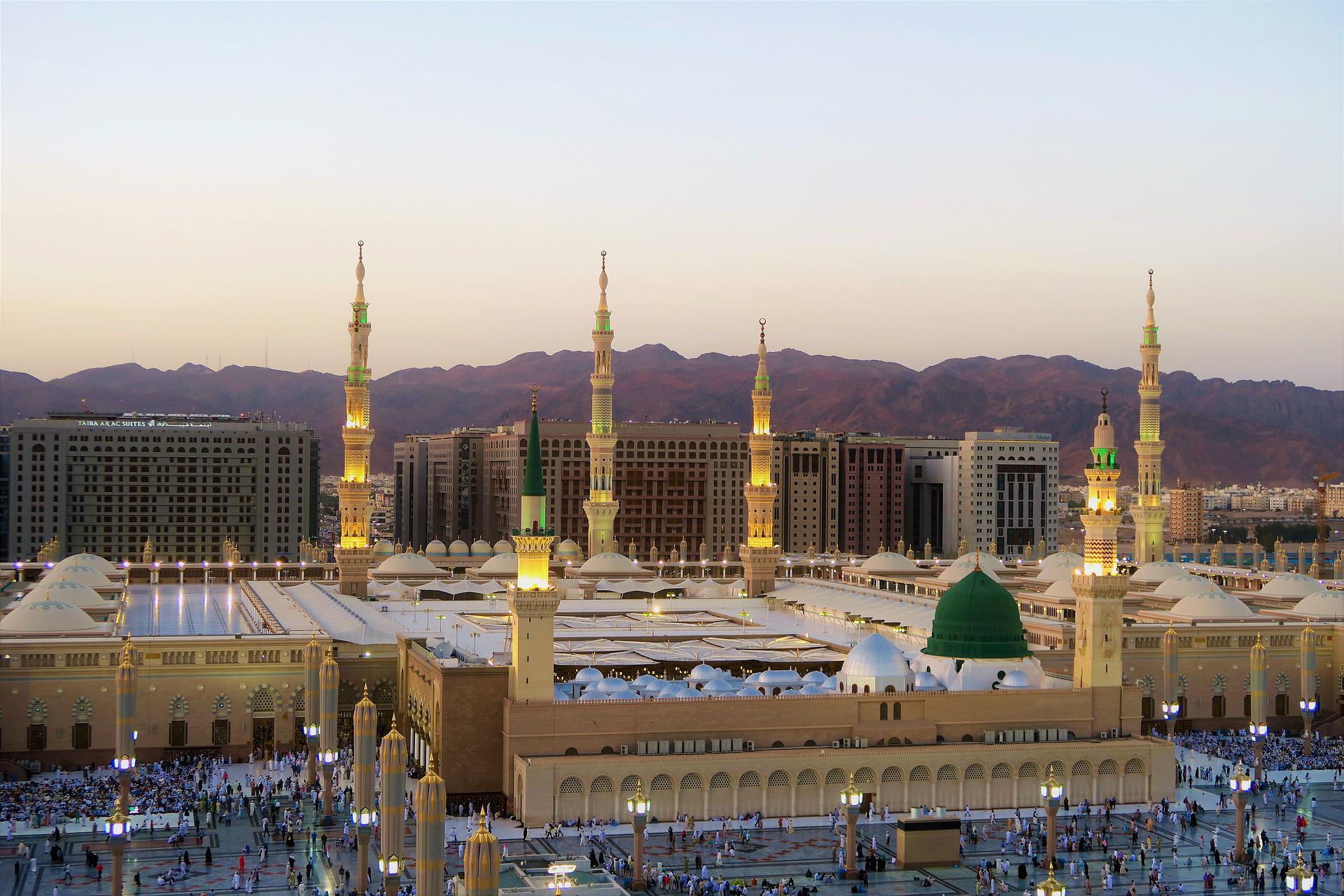
Madinah ranked seventh among the most popular international city destinations for travellers departing Nigeria by air, with approximately 45,500 passengers, representing 2.2% of outbound traffic. Saudia operates direct flights to Prince Mohammad bin Abdulaziz International Airport (MED), with other airlines providing connecting services.
Located in Saudi Arabia, the city is a primary destination for religious travel, particularly for Hajj and Umrah pilgrims, attracting Nigerian visitors seeking spiritual experiences and Islamic education.
Madinah’s cultural and lifestyle appeal centers on the Prophet’s Mosque and other historic Islamic sites. The city is unique for its religious and historical focus, providing a calm environment for worship, reflection, and learning.