Follow Us on Google Discover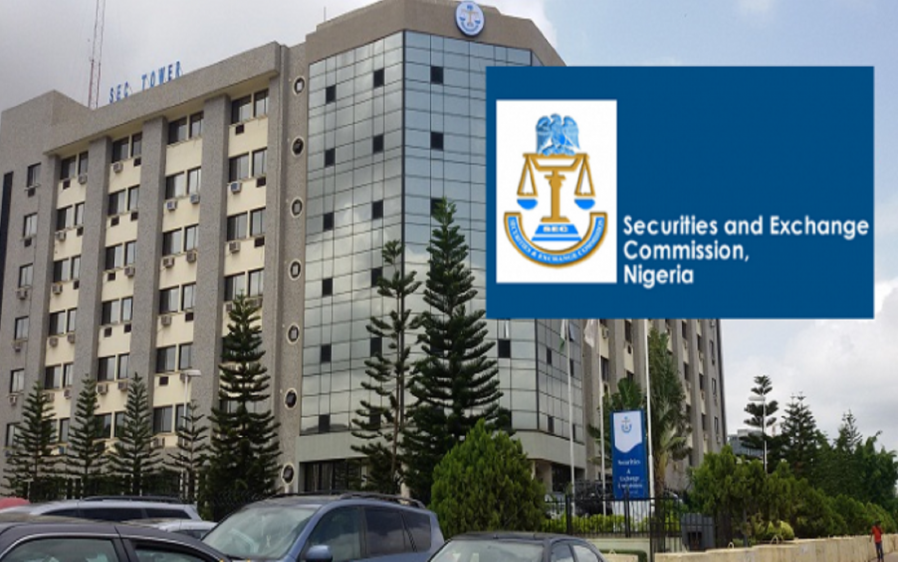
The Securities and Exchange Commission (SEC) and the Small and Medium Enterprises Development Agency of Nigeria (SMEDAN) have signed a landmark Memorandum of Understanding (MoU) to facilitate SME access to the Nigerian capital market.
The agreement, signed in Abuja, aims to provide over 40 million registered micro, small, and medium enterprises (MSMEs) with alternative financing options through the capital market.
This initiative aligns with the Federal Government’s vision of building a $1 trillion economy by expanding access to sustainable, long-term capital, according to a statement by SEC on Thursday.
Speaking during the ceremony, SEC Director-General, Dr. Emomotimi Agama, emphasized that capital is the “bedrock of any company” and that the partnership would enable SMEs to raise funds, grow sustainably, and become part of Nigeria’s wealth creation ecosystem.
Also Read
“We want to bring them on board the pipeline of listed companies where they can share in the prosperity of their institutions with Nigerians,” the SEC release quoted Agama as saying. He added that the collaboration supports President Bola Tinubu’s economic agenda centered on growth, job creation, and productivity.
Opening the capital market to small businesses
SMEDAN Director-General, Mr. Charles Odii, described the partnership as a critical step toward reducing the high cost and scarcity of capital that hinder small businesses in Nigeria. According to him, the MoU will help entrepreneurs explore new financing routes, particularly by listing on the capital market.
“Capital in this part of the world is very expensive and scarce. Through this collaboration, we are creating another source of financing for our medium-scale businesses,” Odii stated. He revealed that the agency aims to facilitate the listing of at least 1,000 SMEs on the Nigerian capital market, a move expected to stimulate wealth creation, industrial growth, and job opportunities.
The partnership will also help integrate SMEs into the formal financial system by supporting their compliance with regulatory and governance requirements. It further provides for capacity-building initiatives, including nationwide training programs and awareness campaigns on capital market participation, financial literacy, and corporate governance best practices.
What you should know
Small and Medium Enterprises (SMEs) form the backbone of Nigeria’s economy, contributing nearly 40% to the nation’s GDP, according to the Nigeria Econiomic Summit Group (NESG). NESG Chief Economist, Dr. Olusegun Omisakin, noted that while the CBN’s tight monetary measures have been effective in moderating inflation, they have also constrained private sector credit, which fell from 48% in H1 2024 to 2.8% in H1 2025, leaving SMEs worse off. SMEs struggle to access financing due to stringent lending conditions and high interest rates from traditional banks.
- The collaboration between SEC and SMEDAN aims to change this narrative by linking SMEs directly to investors through equity and debt instruments regulated by the capital market apex regulator.
- This means qualifying SMEs will be able to raise funds by issuing shares or bonds on recognized exchanges, reducing their dependence on bank loans.
- The MoU also establishes a Joint Working Group (JWG) to oversee its implementation and ensure compliance with the Nigeria Data Protection Act, 2023. Both agencies will co-host a three-day National SME Conference to engage stakeholders, promote investment opportunities, and refine policies that make Nigeria’s capital market more inclusive.