
With inflation remaining a major challenge across African economies, central banks have adopted aggressive monetary tightening measures to stabilize currencies and contain rising prices.
According to data compiled by Nairametrics, Nigeria, Zimbabwe, and Ghana are among the countries with the highest Monetary Policy Rates (MPR) on the continent.
The MPR, a benchmark interest rate for lending and borrowing, remains at elevated levels across Africa, reflecting the difficult trade-off between stabilizing prices and promoting growth.

As of September 2025, Zimbabwe leads with a staggering 35% rate, while Nigeria ranks second at 27%. Ghana, Angola, and others also feature prominently. These high rates make borrowing costly for businesses and households, further slowing investment and consumption.
Below is a country-by-country snapshot of the Top 10 African countries with the most expensive borrowing rates, alongside recent inflationary trends and policy decisions.
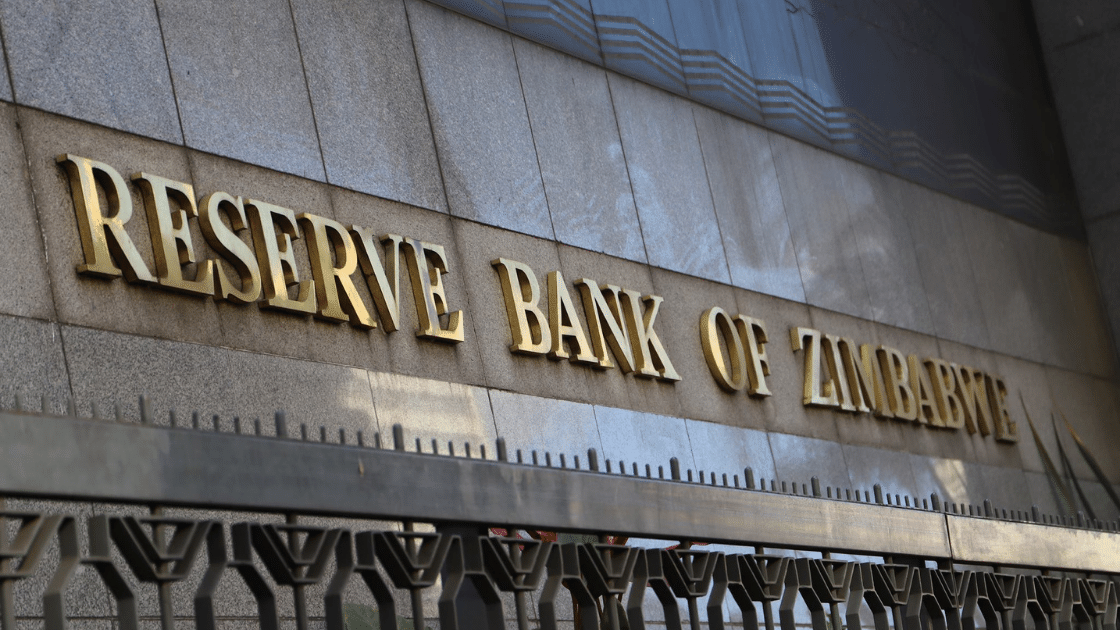
Zimbabwe tops the chart with a 35% benchmark rate. The Reserve Bank of Zimbabwe (RBZ) kept the rate unchanged in March 2025 to anchor inflation and stabilize its gold-backed ZiG currency.
Despite weak demand, the RBZ prioritized price control amid fears of resurging inflation, driven by structural vulnerabilities and currency volatility. The rate was set following a 43% devaluation of the ZiG in late 2024.
The apex bank’s governor, John Mushayavanhu,
While the move reflects a tightening stance, it has also made credit nearly inaccessible for businesses and consumers. The cost of borrowing has choked growth prospects, pushing more activity into the informal sector.
Why this matters
The MPR serves as the benchmark for all interest rates in a country. Commercial banks generally lend at rates above the MPR, making it a critical tool for controlling inflation and influencing credit conditions.
When inflation rises, central banks typically hike the MPR to reduce money supply and cool price pressures. Conversely, lowering the MPR can stimulate borrowing and spending in periods of economic slowdown.