Follow Us on Google Discover
Travel and tourism in Africa in 2025 are experiencing a notable rebound, with international arrivals rising by 9% in the first quarter, exceeding pre-pandemic levels.
The recovery is supported by growing interest in eco-tourism, cultural experiences, and intra-African travel, alongside government initiatives to improve infrastructure, streamline visa processes, and promote sustainable tourism.
Despite these positive trends, visa fees remain an important factor for travelers, as the cost of entry can vary significantly across the continent.
Some countries maintain higher charges for administrative or policy reasons, influencing travel decisions and accessibility for international visitors. Understanding these fees is therefore a key part of planning any trip to Africa.
Also Read
This article highlights African countries based on the average cost of a single-entry tourist visa for intra-continental travel. By providing an objective overview of these fees, the guide helps African travelers make informed decisions, understand the financial requirements of visiting different countries, and navigate the continent’s diverse destinations more effectively.
Egypt
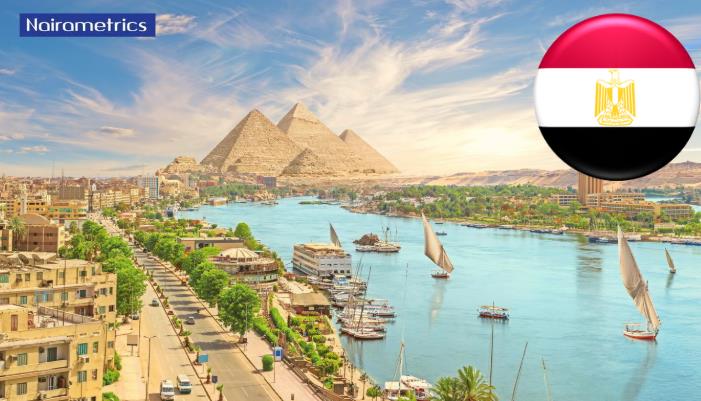
- Single Entry visa: $25-$60
In 2025, Egypt’s tourist visa fees will remain relatively affordable compared with other African countries. Travelers can obtain an eVisa or a Visa on Arrival for tourism purposes, with a single-entry visa costing $25 and a multiple-entry visa $60.
Embassy or consulate applications vary by nationality: U.S. nationals pay $15 for single- or multiple-entry tourist visas, Germans pay $20, Canadians $30–$40, and U.K. citizens $30–$40.
Business visas cost more, with Nigerians paying $45 for single-entry and $70 for multiple-entry, while U.K. nationals pay $95 and $160.
Notably, some African nationals enjoy fee waivers: Nigerians and South Africans can obtain tourist visas free of charge, while Zimbabweans also benefit from free single- and multiple-entry tourist visas. Fees for other countries generally range from $30 to $40. Overall, Egypt’s visa policy is comparatively accessible, especially for African visitors, offering a stark contrast to the high costs seen in countries like Cameroon or Libya.
Tanzania
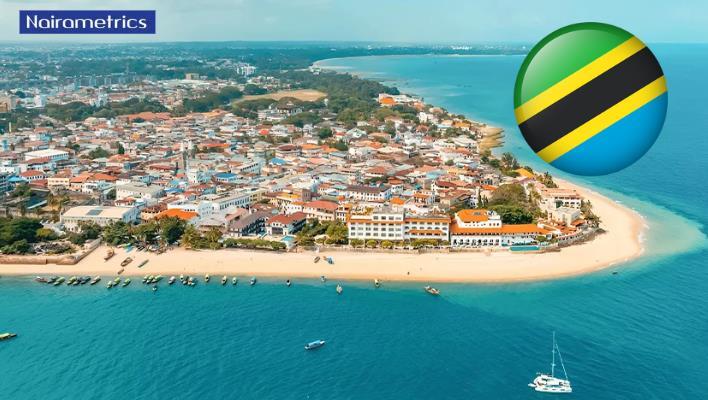
- Single-entry visa (e-Visa): $50
Tanzania has introduced a revised visa structure aimed at clarifying entry requirements for tourists, business professionals, and long-term visitors. Under the new framework, most foreign nationals seeking entry for tourism must obtain an Ordinary Visa, priced at $50 and valid for up to 90 days.
Citizens of the United States are an exception: under a bilateral agreement, they are required to apply for a Multiple Entry Visa, which costs $100 and is valid for one year. However, stays are limited to 90 consecutive days at a time.
The Ordinary Visa extends beyond leisure travel, allowing short visits to relatives, conferences, or exhibitions. Holders who leave Tanzania for other East African countries may return on the same visa, provided it remains valid.
For business travel, the government now issues a $250 business visa, valid for 90 days and restricted to a single entry. Longer engagements require a residence or work permit.
Ethiopia

- Single-entry tourist visa: $62-$152
For tourists planning to visit Ethiopia in 2025, the government offers an average, convenient e-Visa system for tourists. The cost of a 30-day single-entry visa is $62, while a 90-day single-entry visa is priced at $152. Payments are usually completed online during the application process, but citizens of African countries may also have the option of paying in cash upon arrival at Addis Ababa Bole International Airport.
The Ethiopian tourist visa is strictly for leisure and non-business purposes. Applicants must provide a valid passport with at least six months’ validity, along with a recent passport-size photograph. Processing generally takes three business days, so travelers are advised to apply at least three days before their planned arrival.
Extensions are possible: a 30-day visa can be extended for $102, while a 90-day visa extension costs $302. However, travelers overstaying without an extension face fines and legal penalties.
Namibia

- Single-entry visa: $68-$90.97
Visitors entering Namibia on a tourist or holiday visa are prohibited from taking up employment or study. Anyone seeking to work or study must secure the appropriate permit prior to arrival. Holiday visa applications can be submitted online up to three months before travel, with fees set at N$1,200($68) for African Union citizens and N$1,600($90.97) for others.
Travelers can expect reliable mobile connectivity across towns and along most national highways, with access to the GSM network and roaming agreements covering 146 countries through 334 network partners. Major accommodation providers offer Wi-Fi, while those venturing into remote regions are advised to rent satellite phones. Namibia’s leading operators, MTC and TN Mobile, provide prepaid starter packs and data services that are widely available.
Applicants must provide proof of accommodation, financial means, return tickets, and, when invited, supporting documents from hosts or travel agencies.
Morocco

- Single-entry tourist visa: $84-$121
Morocco has set the standard application fee for tourist e-visas at MAD70($84), though additional charges may apply. For Nigerian citizens applying for a tourist e-visa, fees range from $84 for standard processing to $121(MAD1100) for expedited service, with visas valid for up to 180 days and stays capped at 30 days.
All visa fees are non-refundable, regardless of the outcome. Applications must be filed at Moroccan embassies, consulates, or accredited visa centers in the applicant’s country of citizenship or residence. In nations without Moroccan representation, requests may be handled through accredited diplomatic missions, honorary consuls, or directly with the Ministry of Foreign Affairs in Rabat, which can authorize visas at the airport in limited cases.
Processing typically takes 10 business days, though applications requiring extra documentation or review may extend up to 30 days. Approved travelers must present proof of insurance, return flights, hotel bookings, and pay chancery fees before issuance.
Burundi

- Single-entry tourist visa: $90
In 2025, the cost of a Burundi tourist visa for Nigerian citizens is set at $90 for a single-entry visa. This fee is generally consistent, though slight variations may occur depending on the consulate or diplomatic mission handling the application, making it advisable for travelers to confirm the exact amount in advance. A visa must be obtained prior to traveling, as it remains a compulsory requirement for entry into the country.
Before departure, travelers are required to complete both entry and exit forms through the Burundian authorities’ official website. At the end of this process, a certificate is generated and sent by email, which should ideally be printed and carried in paper form for verification upon arrival.
While an advance application is mandatory, entry authorization can also be finalized upon arrival in Burundi. At the airport, visitors will be issued a single-entry visa after paying the standard $90 fee.
Nigeria

- Single-entry tourist visa fee: $108(eVAC included)
Nigeria’s tourist visa ranks among the more expensive in Africa in 2025, reflecting both the administrative process and added electronic fees. A standard single-entry visa for 30 days costs $58, with an additional $50 eVAC fee, bringing the total to $108.
The visa is strictly for leisure travel, including sightseeing and vacation, and cannot be extended or used for work. Applicants must present a valid passport, a confirmed return ticket, proof of accommodation, and bank statements to demonstrate sufficient funds. For minors, parental consent documents are required.
Applications are processed online via Nigeria’s e-Visa platform, where travelers must provide biodata, travel and contact information, security declarations, and biometric details. While citizens of ECOWAS member states and countries with visa abolition agreements are exempt, they must still complete landing and exit cards.
Cameroon

- Single-entry tourist visa: $179
Cameroon currently has one of the most expensive tourist visas in Africa. A single-entry short-stay eVisas for African nationals range between €153($179) and €206($241). For those seeking a longer stay, the fee rises to between €305($357) and €326($382), and even a transit visa comes at a cost of €153($179.3).
These figures make Cameroon an outlier on the continent, where several countries are working to reduce barriers and encourage free movement, but Cameroon continues to impose steep charges that discourage travel and cross-border exchange.
This high fee drew attention earlier this year when CNN journalist Larry Madowo shared his own experience. In a widely circulated post, he revealed that his single-entry Cameroonian visa cost €229($268), which he described as “one of the most expensive visas an African country charges other Africans.”
Libya
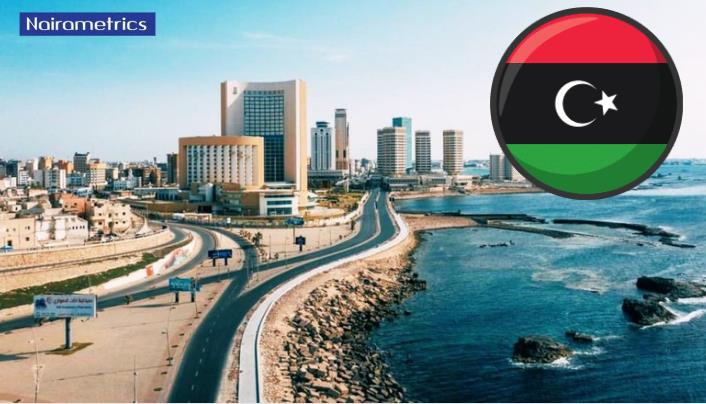
- Single entry visa: $280-$330
Libya’s tourist visa fees for 2025 sit at the higher end of Africa’s pricing spectrum and can vary depending on the applicant’s nationality, visa type, and whether the application is processed through official channels or travel agencies.
For a single-entry tourist visa, the average cost is quoted between $280 and $330, with a processing time of about five to eight working days. Multiple-entry visas are more expensive, sometimes reaching $480, while a 180-day multiple-entry visa is listed at around $449 by some agencies.
Breaking down the unit costs, some listings separate the Visa Technical Intermediary (VTI) fee and the consular fee. In this case, the VTI fee is €64.90 and the consular fee is €60.00, which together amount to just under €125 per application. The visa validity is typically 30 days per stay from the date of issuance, making it suitable mainly for short-term visits.
Democratic Republic of the Congo
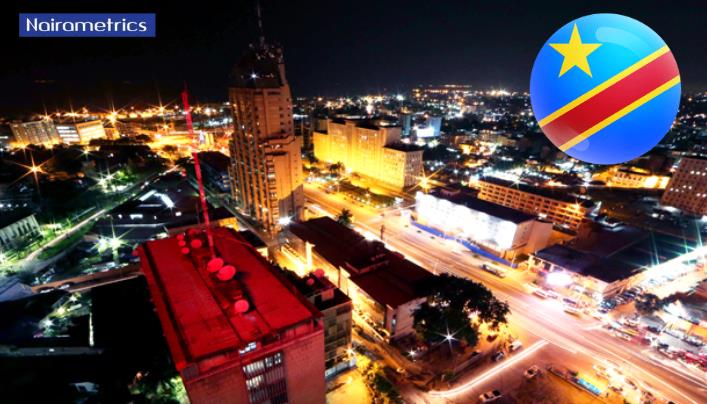
- Single-entry, 1-month visa: $469
For Nigerian citizens traveling to the Democratic Republic of the Congo (DRC), visa fees depend on the selected processing time. An ordinary flying visa costs $300, with an additional service fee of $169, bringing the total to $469.
This visa allows a single entry, a maximum stay of seven days, and is valid for 90 days. Processing typically takes 2–3 working days, and the visa fee is non-refundable, covering requirements such as biometric data collection.
Other requirements include proof of accommodation, such as a hotel booking or an invitation letter from a host in Nigeria. The visa is strictly for tourism and cannot be used for employment.