Follow Us on Google Discover
Nigeria’s commercial banks continue to play a pivotal role in driving economic growth, credit expansion, and financial inclusion.
As the country pursues its ambitious $1 trillion GDP target, the strength of its banking sector has become even more critical.
In Q1 2025, the ten largest banks in Nigeria reported a combined total asset base of N218.99 trillion ($142.48 billion) up from N212.75 trillion ($137.63 billion) at the end of 2024.
This growth signals a resilient financial sector capable of supporting lending, infrastructure investment, and broader economic activity.
Other News
Bank assets matter because they reflect capacity; the more assets a bank controls, the more it can deploy to power businesses, fund government projects, and deepen access to credit.
In a country where capital remains scarce for many, strong balance sheets can unlock inclusive, sustainable development.
Below is the ranking of Nigeria’s top 10 banks by total assets as of the first quarter of 2025, highlighting the institutions at the heart of the nation’s economic engine.
Wema Bank – N3.60 trillion ($2.34 billion)
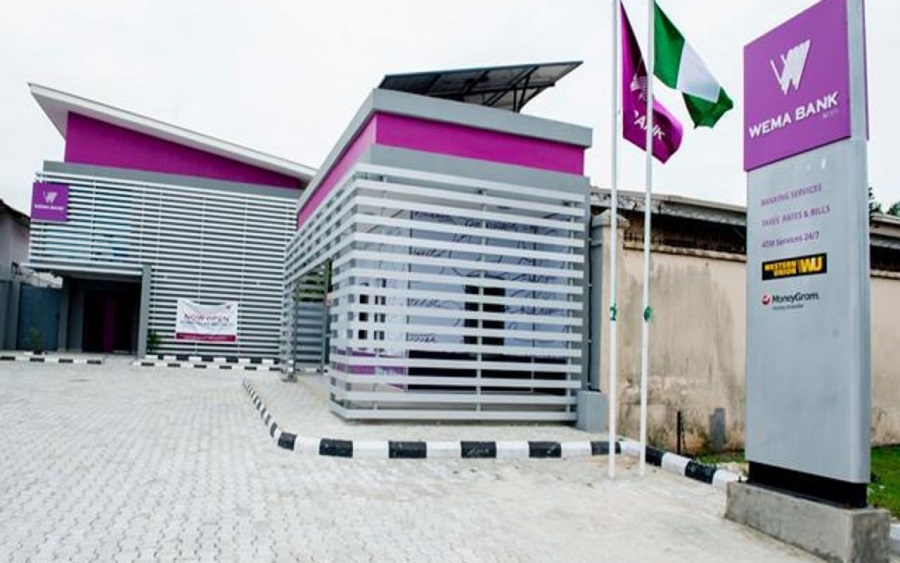
Wema Bank ranks tenth among Nigeria’s largest banks by total assets as of the first quarter of 2025. The bank reported total assets of N3.60 trillion ($2.34 billion) in Q1 2025, showing marginal growth from its full-year 2024 figure of N3.59 trillion ($2.34 billion).
- Established on May 2, 1945, as Agbonmagbe Bank Limited by the Late Chief Mathew Adekoya Okupe, Wema Bank has grown to become one of Nigeria’s oldest surviving indigenous banks.
- It was listed on the Nigerian Stock Exchange in 1990 and currently trades under the ticker WEMABANK.
- The bank received a Universal Banking License in February 2001 and now operates a network of over 149 branches and service stations nationwide.
- While it remains relatively smaller than Nigeria’s tier-1 banks, Wema Bank continues to strengthen its presence, particularly through investments in digital banking.
Its ALAT platform, in particular, has positioned it as a nimble player focused on innovation and operational efficiency in Nigeria’s evolving financial landscape.
Stanbic IBTC Bank – N7.39 trillion ($4.81 billion)

Stanbic IBTC Bank Limited, a subsidiary of Stanbic IBTC Holdings Plc and part of the Standard Bank Group, reported total assets of N7.39 trillion ($4.81 billion) as of the first quarter of 2025.
- This represents an increase from N6.91 trillion ($4.51 billion) recorded at the end of the 2024 financial year.
- The bank operates 129 branches and over 350 ATMs across Nigeria, delivering a range of financial services to individuals and businesses nationwide.
- Stanbic IBTC Holdings Plc is 67.55% owned by Stanbic Africa Holdings Limited, a UK-incorporated entity, while its ultimate parent company, Standard Bank Group Limited, is based in South Africa.
- The group maintains a strong footprint across 20 sub-Saharan African countries and several global financial centres.
Through its 10 direct and one indirect subsidiary, Stanbic IBTC offers a diversified suite of financial services, including commercial banking, asset management, pensions, stockbroking, insurance, and investment advisory.
First City Monument Bank (FCMB) – N7.40 trillion ($4.81 billion)

First City Monument Bank Limited (FCMB), a subsidiary of FCMB Group Plc, reported total assets of N7.40 trillion ($4.81 billion) as of the first quarter of 2025, up from N7.05 trillion ($4.59 billion) recorded at the end of 2024.
- Founded in 1982 by the late Otunba Subomi Balogun, FCMB has evolved into a leading bank-led financial services group in Nigeria, serving over 8.7 million customers.
- The bank operates 205 branches across all 36 states and maintains a fully licensed UK subsidiary, FCMB Bank (UK) Limited, which is authorised by the Prudential Regulation Authority (PRA) and regulated by the Financial Conduct Authority (FCA).
FCMB continues to consolidate its position as one of Nigeria’s top 10 lenders, leveraging its diversified offerings across retail, corporate, and investment banking.
Fidelity Bank – N10.45 trillion ($6.80 billion)

Fidelity Bank Plc, a full-service commercial bank, reported total assets of N10.45 trillion ($6.80 billion) as of the first quarter of 2025.
- This represents an increase from N8.82 trillion ($5.75 billion) recorded at the end of 2024, placing the bank as the seventh-largest in Nigeria by total asset size.
- Established in 1988 as a merchant bank and converted to a commercial bank in 1999, Fidelity Bank currently operates 249 branches across Nigeria. It also maintains an international presence through a branch in the United Kingdom.
- Serving over 7.2 million customers, the bank has invested heavily in digital banking platforms.
- Its strategic focus on select corporate clients and the MSME segment has driven strong growth in savings deposits for more than a decade.
As of 2025, over 57% of its customers use Fidelity’s mobile and internet banking services.
Guaranty Trust Holding Company (GTCO) – N15.90 trillion ($10.34 billion)
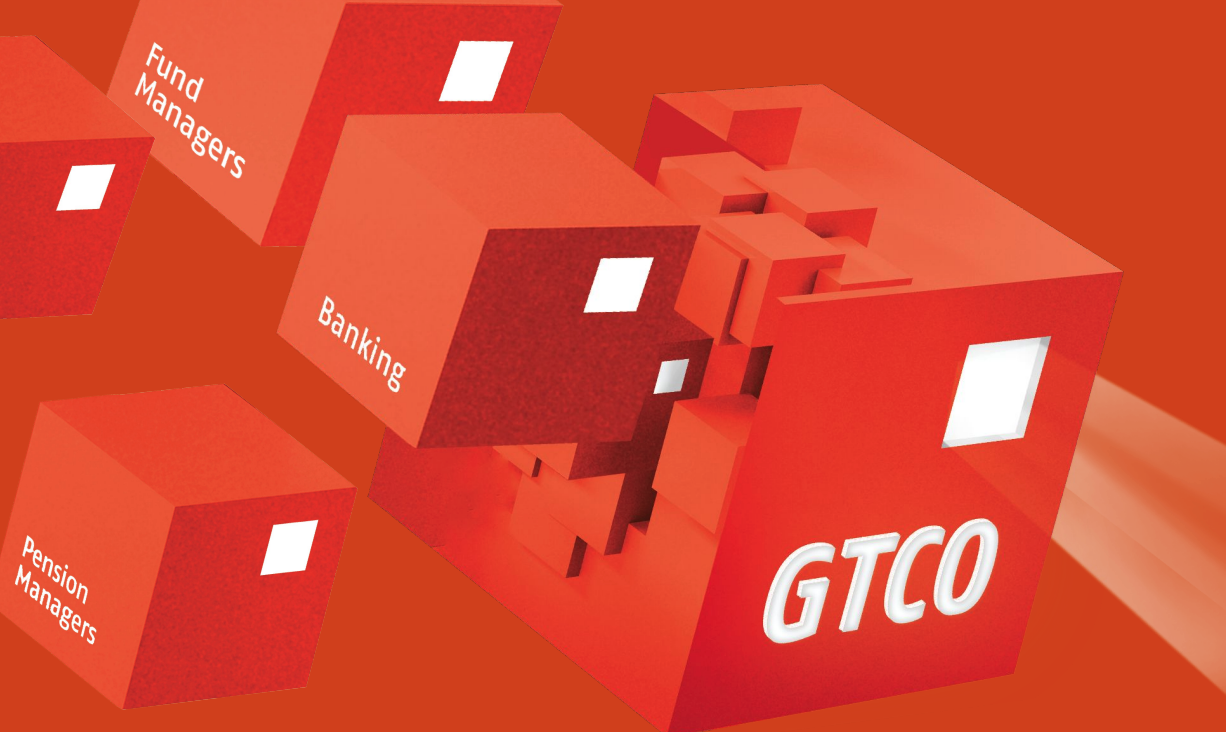
Guaranty Trust Holding Company Plc (GTCO), the parent company of Guaranty Trust Bank Nigeria Limited, reported total assets of N15.90 trillion ($10.34 billion) as of the first quarter of 2025.
- This reflects an increase from N14.79 trillion ($9.64 billion) reported at the end of the 2024 financial year.
- GTCO operates a diversified financial services business spanning West, East, and Southern Africa, with a presence in Nigeria, Côte d’Ivoire, Gambia, Ghana, Liberia, Kenya, Rwanda, Tanzania, Uganda, Sierra Leone, and the United Kingdom.
- The group employs over 10,000 professionals across its regional markets.
- In Nigeria, its flagship subsidiary, GTBank, manages 275 service locations comprising 237 full branches, 33 e-branches, 14 cash centres, and 18 business offices.
Following its transition to a holding company structure in 2021, GTCO has expanded into other areas of financial services, including payments, asset management, and pension fund administration, further strengthening its position in Nigeria’s financial landscape.
First HoldCo – N26.52 trillion ($17.25 billion)
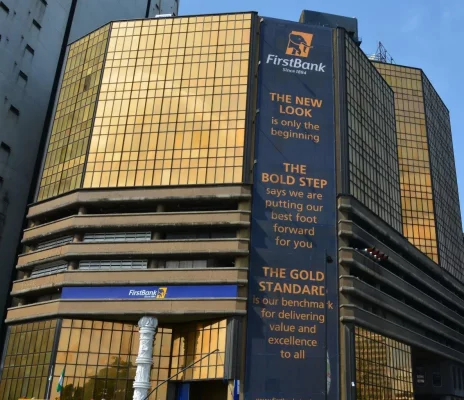
First Bank of Nigeria Limited, the flagship subsidiary of First HoldCo Plc (formerly FBN Holdings Plc), reported total assets of N26.52 trillion ($17.25 billion) as of the first quarter of 2025.
- This figure is consistent with its full-year 2024 asset value, maintaining its position among Nigeria’s largest banking institutions by asset size.
- With a legacy spanning over 130 years, First Bank operates 595 branches and 144 Quick Service Points (QSPs) across Nigeria, in addition to 86 branches under its international subsidiaries.
- The bank also oversees a vast network of over 280,000 agent banking locations, reinforcing its commitment to deepening financial inclusion.
- Serving over 43 million customer accounts globally, including digital wallets, First Bank maintains more than 821 business locations, representing the most extensive physical banking footprint in Nigeria’s financial sector.
- As Nigeria’s oldest bank, First Bank continues to play a significant role in personal, business, and corporate banking.
It remains a key player in driving financial access across urban and rural areas, both domestically and across its international markets.
United Bank for Africa (UBA) – N31.71 trillion ($20.63 billion)
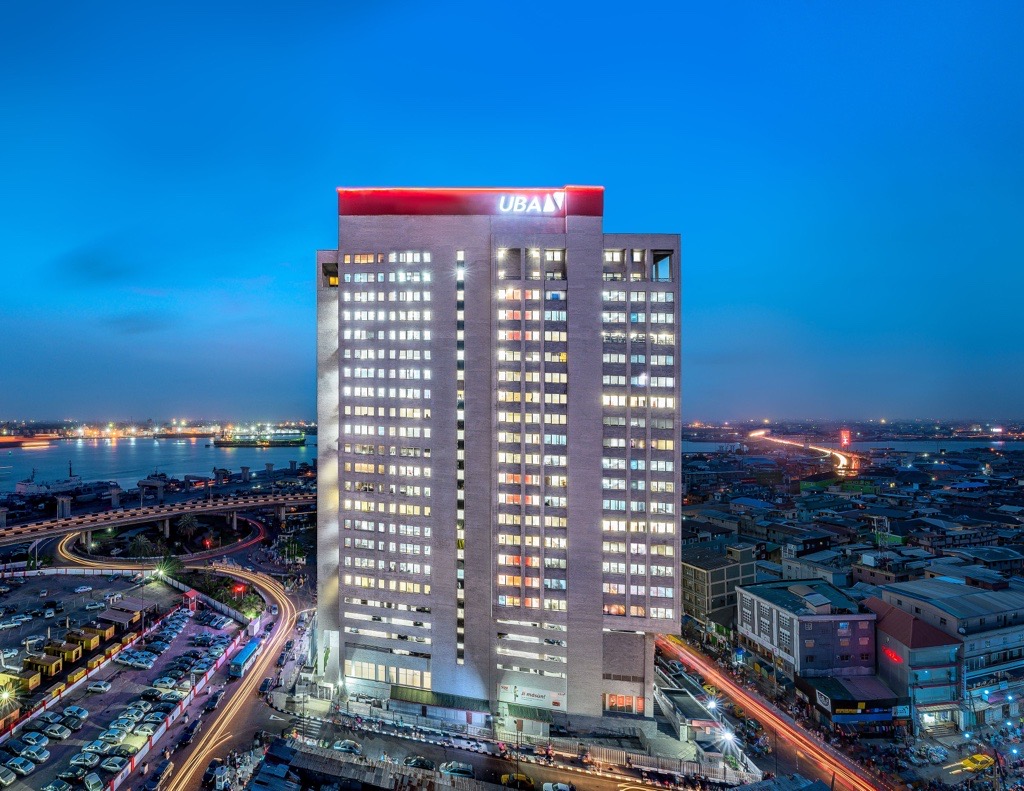
United Bank for Africa (UBA) Plc ranks as Nigeria’s fourth-largest bank by total assets, reflecting its leadership in the country’s financial services industry and its growing footprint across Africa and beyond.
- As of the first quarter of 2025, UBA reported total assets of N31.71 trillion ($20.63 billion), up from N30.32 trillion ($19.75 billion) recorded at the end of the 2024 financial year.
- Headquartered in Lagos, UBA operates in 20 African countries and maintains international offices in the United States, the United Kingdom, the United Arab Emirates, and France.
- The bank serves more than 45 million customers through over 1,000 service touchpoints globally, including 451 branches across all 36 states in Nigeria and the Federal Capital Territory.
- Founded in 1949, UBA has evolved into a pan-African banking group offering a wide range of retail, commercial, and corporate banking services.
Its continued focus on technology, innovation, and expansion has positioned it as a key driver of financial inclusion across both emerging and mature markets.
Zenith Bank – N32.41 trillion ($21.09 billion)
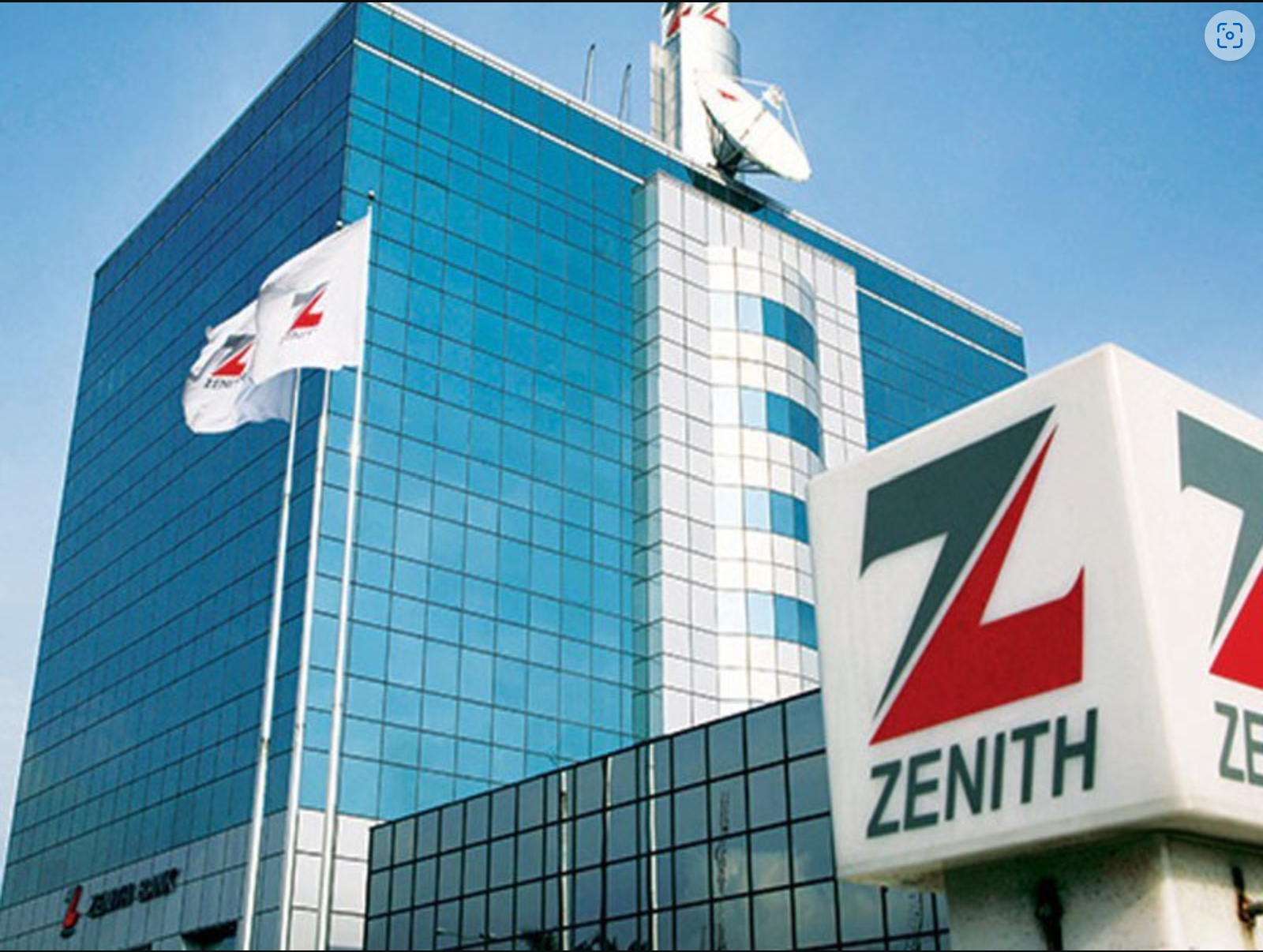
Zenith Bank Plc ranks as Nigeria’s third-largest bank by total assets and remains the country’s most profitable financial institution.
- As of the first quarter of 2025, the bank reported total assets of N32.41 trillion ($21.09 billion), up from N29.95 trillion ($19.51 billion) recorded at the end of 2024.
- Founded in 1990 by Jim Ovia, Zenith Bank has grown into a dominant force in Nigeria’s banking industry, with a customer base exceeding 33 million. The bank operates 447 branches across Nigeria, including 397 under its Nigerian subsidiary, and more than 500 business offices nationwide.
- Headquartered in Lagos, Zenith Bank expanded its global presence with the establishment of Zenith Bank (UK) Limited in 2007, licensed by the UK Financial Services Authority.
According to its full-year 2024 financial statements, the bank posted a record profit after tax of N1.03 trillion, a 52.5% increase from the previous year, maintaining its lead as Nigeria’s top profit earner in the banking sector.
Access Bank – N39.08 trillion ($25.43 billion)
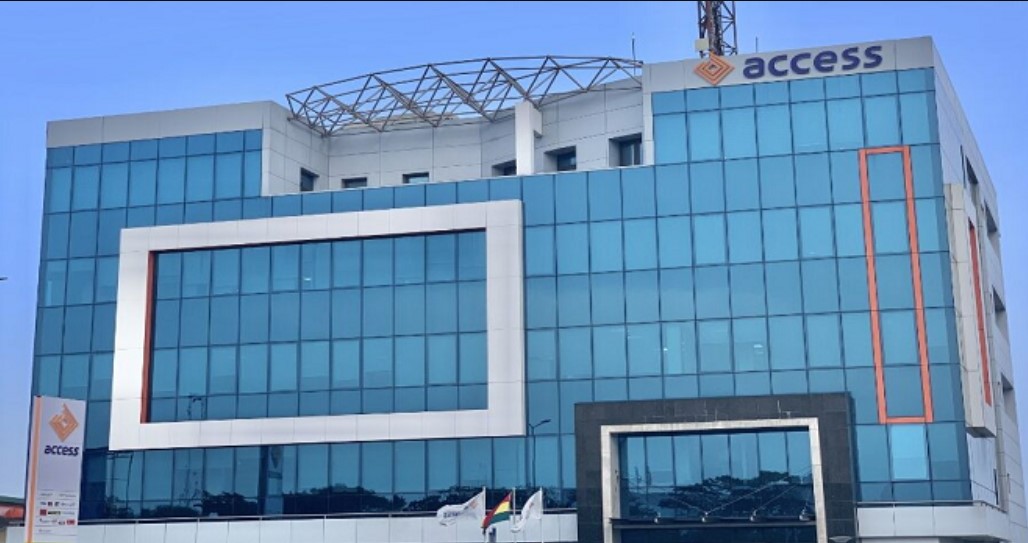
Access Bank Plc holds the position of Nigeria’s second-largest bank by total asset size, reinforcing its leadership role in the country’s financial sector.
- As of the first quarter of 2025, Access Bank reported total assets of N39.08 trillion ($25.43 billion), slightly lower than the N41.50 trillion ($27.03 billion) recorded at the end of 2024.
- The bank operates approximately 737 branches globally, including 554 in Nigeria and 183 across its subsidiaries in 20 other countries.
- A wholly owned subsidiary of Access Holdings Plc, Access Bank is a full-service commercial institution with a presence in 24 countries across three continents.
- It serves over 63 million customers and employs more than 28,000 people throughout Africa, the United Kingdom, and Europe.
- The bank also maintains representative offices in China, Lebanon, India, Hong Kong, and the UAE.
Access Holdings Plc, the bank’s parent company, has been listed on the Nigerian Exchange since 1998, and continues to drive strategic expansion through mergers, acquisitions, and innovation across the financial ecosystem.
Ecobank Nigeria – N44.53 trillion ($28.98 billion)
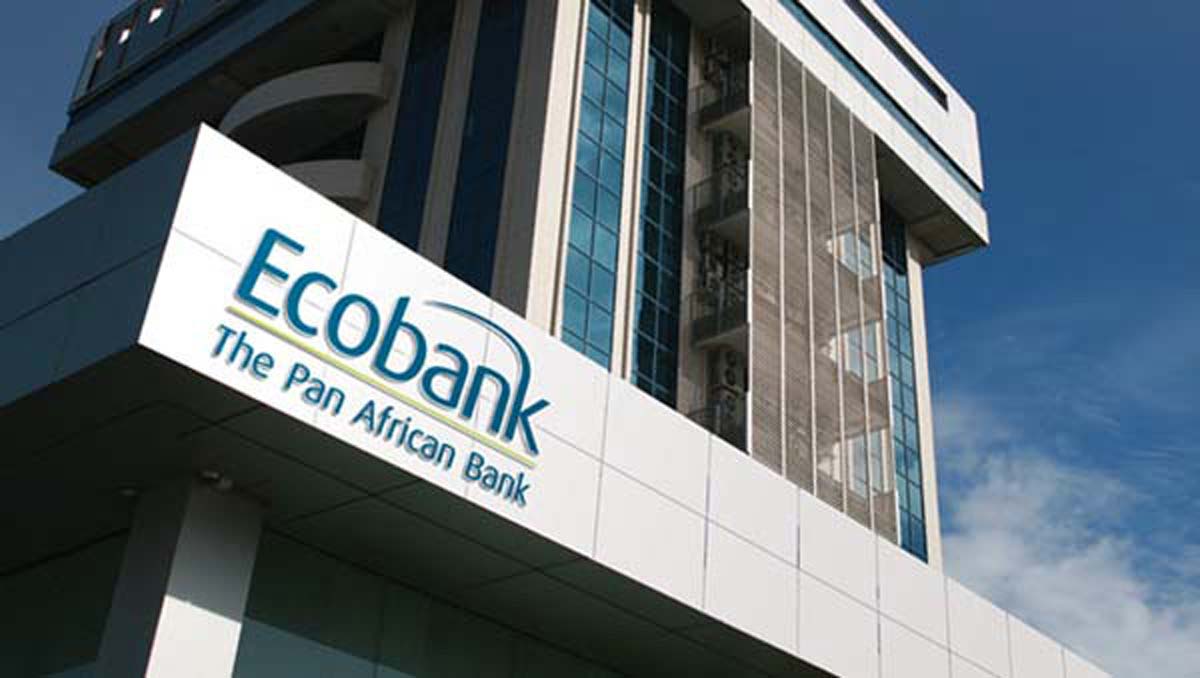
Ecobank Nigeria, a subsidiary of Ecobank Transnational Incorporated (ETI) Plc, ranks as the largest bank in Nigeria by total asset size as of the first quarter of 2025.
- The bank reported total assets of N44.53 trillion ($28.98 billion), up from N43.30 trillion ($27.23 billion) at the end of 2024.
- With approximately 273 branches and 541 ATMs across Nigeria, Ecobank Nigeria plays a major role in the country’s banking sector through its broad retail and corporate banking services.
- Ecobank was founded in Togo in 1985 by the Federation of West African Chambers of Commerce and expanded rapidly across West Africa between 1988 and 1990.
- Today, its parent company, ETI, operates in 33 African countries with more than 1,300 branches across 36 countries, making it one of the largest banking networks on the continent.
The group employs over 17,000 people and serves millions of customers through a comprehensive range of financial products and services across Africa.