
Healthcare in Nigeria has seen significant growth, driven in part by private investment.
As the country struggles with the challenges of providing adequate healthcare to its burgeoning population, private investors have stepped in to bridge the gap, establishing and maintaining some of the largest and most advanced medical facilities in the country.
This feature article explores the top hospitals in Nigeria owned by private investors, detailing their ownership, history, and standard of care offered to Nigerians through ratings.

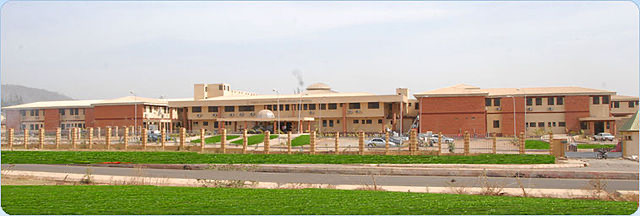
Who owns it: The Primus Group, India
When was it established: It was founded in 2011.
Where is it located: Abuja, Nigeria
How many beds and ratings? The hospital has 120 beds and a rating of 3.9 out of 5.
What are they saying? According to our findings, Primus Hospital is noted for its orthopedic and spine surgery departments, providing surgical interventions and rehabilitation services.
Primus International Super Specialty Hospital has said it is equipped with state-of-the-art facilities, including advanced diagnostic imaging, and a comprehensive rehabilitation center.
It claims to provide comprehensive health check-up packages and wellness programs aimed at early detection and prevention of diseases.
The hospital is accredited by the National Accreditation Board for Hospitals & Healthcare Providers (NABH) and its membership in the International Society for Quality in Healthcare (ISQua).
What you should know
The state of public hospitals in Nigeria has been a matter of concern for many years. Public healthcare facilities often face numerous challenges, including inadequate funding, poor infrastructure, a shortage of medical supplies, and underpaid staff.
- These issues have contributed to a significant disparity in the quality of healthcare between public and private institutions.
- Nigeria’s healthcare system is primarily funded by the government, but the allocated budget is often insufficient to meet the needs of the rapidly growing population.
- This has led to overcrowded hospitals, long waiting times, and inadequate care in many public facilities.
- Furthermore, the brain drain of healthcare professionals seeking better opportunities abroad has exacerbated the shortage of skilled personnel in the country.
- In contrast, private hospitals in Nigeria, particularly those owned by well-funded investors, have managed to provide higher standards of care.
- The involvement of private investors in the healthcare sector has brought significant improvements and innovations. They have established advanced medical facilities that offer a wide range of specialized services.
- However, the reliance on private healthcare highlights the need for substantial reforms in the public healthcare system.