• Login
  • Register
Nairametrics
  • Home
  • Exclusives
    • Recapitalization
      • Access Holdings Offer
      • Fidelity Bank Offer
      • GTCO Offer
      • Zenith Bank Offer
    • Financial Analysis
    • Corporate Stories
    • Interviews
    • Investigations
    • Metrics
    • Nairalytics
  • Economy
    • Business News
    • Budget
    • Public Debt
    • Tax
  • Markets
    • Currencies
    • Cryptos
    • Commodities
    • Equities
      • Company Results
      • Dividends
      • Public Offer & Right Issues
      • Stock Market News
    • Fixed Income
    • Funds Management
    • Securities
  • Sectors
    • Agriculture
    • Aviation
    • Company News
    • Consumer Goods
    • Corporate Updates
    • Corporate deals
    • Corporate Press Releases
    • Energy
    • Entertainment
    • Financial Services
    • Health
    • Hospitality & Travel
    • Manufacturing
    • Real Estate and Construction
    • Renewables & Sustainability
    • Tech News
  • Financial Literacy
    • Career tips
    • Personal Finance
  • Lifestyle
    • Billionaire Watch
    • Profiles
  • Opinions
    • Blurb
    • Market Views
    • Op-Eds
    • Research Analysis
  • Home
  • Exclusives
    • Recapitalization
      • Access Holdings Offer
      • Fidelity Bank Offer
      • GTCO Offer
      • Zenith Bank Offer
    • Financial Analysis
    • Corporate Stories
    • Interviews
    • Investigations
    • Metrics
    • Nairalytics
  • Economy
    • Business News
    • Budget
    • Public Debt
    • Tax
  • Markets
    • Currencies
    • Cryptos
    • Commodities
    • Equities
      • Company Results
      • Dividends
      • Public Offer & Right Issues
      • Stock Market News
    • Fixed Income
    • Funds Management
    • Securities
  • Sectors
    • Agriculture
    • Aviation
    • Company News
    • Consumer Goods
    • Corporate Updates
    • Corporate deals
    • Corporate Press Releases
    • Energy
    • Entertainment
    • Financial Services
    • Health
    • Hospitality & Travel
    • Manufacturing
    • Real Estate and Construction
    • Renewables & Sustainability
    • Tech News
  • Financial Literacy
    • Career tips
    • Personal Finance
  • Lifestyle
    • Billionaire Watch
    • Profiles
  • Opinions
    • Blurb
    • Market Views
    • Op-Eds
    • Research Analysis
Nairametrics
Home Sectors Energy

How incoming government can help ‘common Nigerians’ cope with the impacts of fuel subsidy removal

Opeoluwa Dapo-Thomas by Opeoluwa Dapo-Thomas
February 9, 2023
in Energy, Exclusives, Opinions, Sectors, Spotlight
coping-with-possible-effects-of-fuel-subsidy-removal-in-nigeria
Share on FacebookShare on TwitterShare on Linkedin

Since the start of the fourth republic, fuel subsidy removal has been the most debated topic in Nigeria for successive governments.

The introduction of fuel subsidies in Nigeria dates back to the 1970s under the military government, as a way of curtailing the effects of the oil price shock in 1973.

Since then, different figures have been thrown around as to what the cost of fuel will be if subsidies are removed. For instance, oil marketers have argued that the cost of the commodity would cross N800/litre once the subsidy on PMS is removed. Neighbouring countries like Ghana and the Benin Republic pay double and in some cases, higher than what Nigerians currently pay for fuel.


MoreStories

Nigeria’s Minister of Communications, Innovation & Digital Economy, Dr. ‘Bosun Tijani

FEC approves alphanumeric digital postcode system for Nigeria 

March 4, 2026
Sunbeth – a very fast car with interesting brakes, a deeper dive into its numbers

Sunbeth – a very fast car with interesting brakes, a deeper dive into its numbers

March 4, 2026

But with the cost of living stressing the living, can the common man cope with the imminent hike in fuel prices?

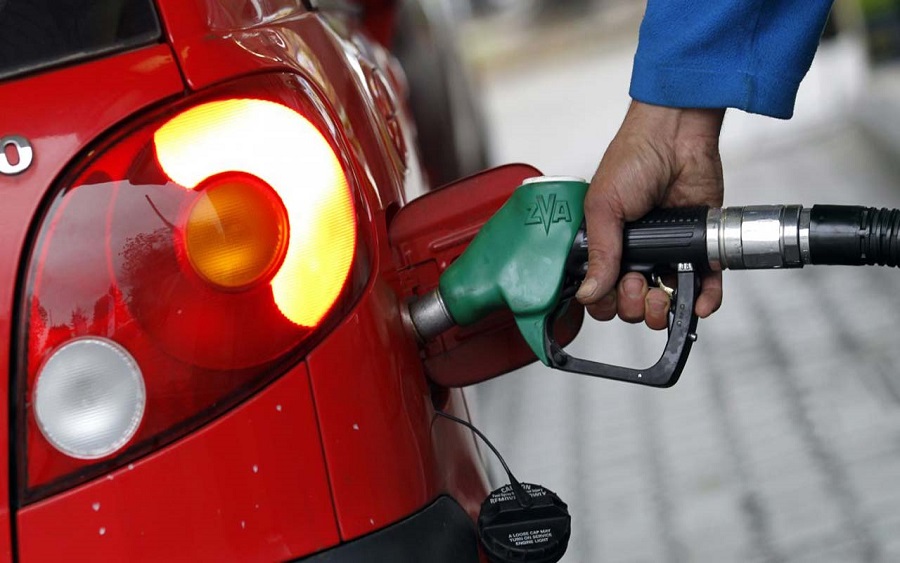
The idea behind fuel subsidies: A subsidy is a form of payment made by setting a fixed price for a commodity or product which is usually lower than the market price. In Nigeria, fuel subsidy is the money that the Federal Government pays to ensure that Premium Motor Spirit (otherwise known as petrol) is sold lesser than the amount it should.

The price difference is what the Federal Government pays. For instance, if the petrol price costs N200 per litre and it’s sold at N150, the N50 difference is what the FG pays as a subsidy.

Ahead of the 2023 general elections, the three leading candidates have ‘unanimously’ agreed to remove fuel subsidies. The candidates through their respective manifestos, discussions, and campaigns have made known their willingness to end fuel subsidies, which has continued to increase monthly.

The removal of fuel subsidies will undoubtedly lead to an increase in petrol prices, which will also affect other commodities in the market.

As you may know, all the leading presidential candidates have made known their intentions to remove fuel subsidies if elected to office. Assuming any one of them goes ahead with this campaign promise, below are some of the ways they can help to cushion the effect of the policy for average Nigerians.

Increasing access to electricity: Electricity is one of the major means through which the average Nigerian spends money on petrol daily. According to a report, 40% of Nigerian households use generators and spend $14bn yearly on fuel (for generators). The use of generators is ubiquitous in the country, as Nigerians use generators to either keep their business running or power their houses, among others as the country’s electricity problems continue.

With fuel subsidy removal, this means the amount Nigerians spend daily on fueling their generators will automatically increase, which many have described as “more hardship” for the common man. Increasing access to electricity will help Nigerians to cushion any instant effect the removal might produce. The Nigeria Simens deal which was signed in 2019 should be looked into and continued by the next government, as the deal will generate 25,000 megawatts of electricity by 2025. Also, an alternative source of electricity should be explored by the government to further provide access to electricity.

Strengthening of Public Transportation: Transportation is unarguably the major consumer of fuel in the country. Millions of Nigerians move daily using one transport means or the other. The removal of fuel subsidies will lead to a surge in transport prices. In 2022, a report from the NBS revealed that over 4 years between 2017 and 2021, intra-city transport fares increased by 283 percent.

The FG has to work in partnership with respective state governments to ensure a much more effective public transport system. The Lagos State Government has created a model that other states can emulate, through the provision of means of transportation within the city by land and water; The recently launched Blue rail mass transit is a welcomed development. Having an effective transport system will help in curtailing a price surge that might arise.

Reducing food prices to help disposable income: Food prices are currently at an all-time high and have increased as much as 100 percent in the last five years. In a similar vein, Nigeria recorded its worst food inflation rate in 17 years, as the food inflation rate stood at 23.12 percent in 2022. Also, a survey showed that most households in Nigeria spend more than 85 percent of their income on food.

Asides from the security issues in the country which have also affected food production, the impact of the removal of fuel subsidies on food cannot be underestimated. The government has to chart a way to ensure that food prices reduce in the country and are available to the average Nigerian. By recording a reduction in food prices, Nigerians can save or invest, and also have extra to afford other necessities and even afford to increase their transportation budget.

In Nigeria, other development expenditures are still being displaced by the fuel subsidy, as the government in some cases has to spend more than the amount allocated. Beyond the removal of fuel subsidies, the FG must display willingness on its part and transparency for the Nigerian populace to show some level of trust.




Add Nairametrics on Google News
Follow us for Breaking News and Market Intelligence.
Tags: Fuel subsidy removal
Opeoluwa Dapo-Thomas

Opeoluwa Dapo-Thomas

Dapo-Thomas Opeoluwa is a British-Nigerian International Financial Analyst. He has vast experience in managing portfolios across Africa, Europe, and Latin America, with strong interests in Crude Oil, Cryptocurrencies, and Financial Markets. Find all his articles here https://nairametrics.com/author/opeoluwa-dapo-thomas/ You may contact him via his email - opeoluwadapothomas@gmail.com.

Next Post
Crypto market

Top 5 cryptocurrencies to watch in February 2023

Leave a Reply Cancel reply

Your email address will not be published. Required fields are marked *

rabafast
rabafast

nairametrics


DUNS

Follow us on social media:

  • HOME
  • ABOUT NAIRAMETRICS
  • CONTACT US
  • DISCLAIMER
  • ADs DISCLAIMER
  • COPYRIGHT INFRINGEMENT

© 2026 Nairametrics

Welcome Back!

Login to your account below

Forgotten Password? Sign Up

Create New Account!

Fill the forms below to register

All fields are required. Log In

Retrieve your password

Please enter your username or email address to reset your password.

Log In
Social Media Auto Publish Powered By : XYZScripts.com
No Result
View All Result
  • Home
  • Exclusives
    • Recapitalization
      • Access Holdings Offer
      • Fidelity Bank Offer
      • GTCO Offer
      • Zenith Bank Offer
    • Financial Analysis
    • Corporate Stories
    • Interviews
    • Investigations
    • Metrics
    • Nairalytics
  • Economy
    • Business News
    • Budget
    • Public Debt
    • Tax
  • Markets
    • Currencies
    • Cryptos
    • Commodities
    • Equities
      • Company Results
      • Dividends
      • Public Offer & Right Issues
      • Stock Market News
    • Fixed Income
    • Funds Management
    • Securities
  • Sectors
    • Agriculture
    • Aviation
    • Company News
    • Consumer Goods
    • Corporate Updates
    • Corporate deals
    • Corporate Press Releases
    • Energy
    • Entertainment
    • Financial Services
    • Health
    • Hospitality & Travel
    • Manufacturing
    • Real Estate and Construction
    • Renewables & Sustainability
    • Tech News
  • Financial Literacy
    • Career tips
    • Personal Finance
  • Lifestyle
    • Billionaire Watch
    • Profiles
  • Opinions
    • Blurb
    • Market Views
    • Op-Eds
    • Research Analysis
  • Login
  • Sign Up

© 2026 Nairametrics