Follow Us on Google Discover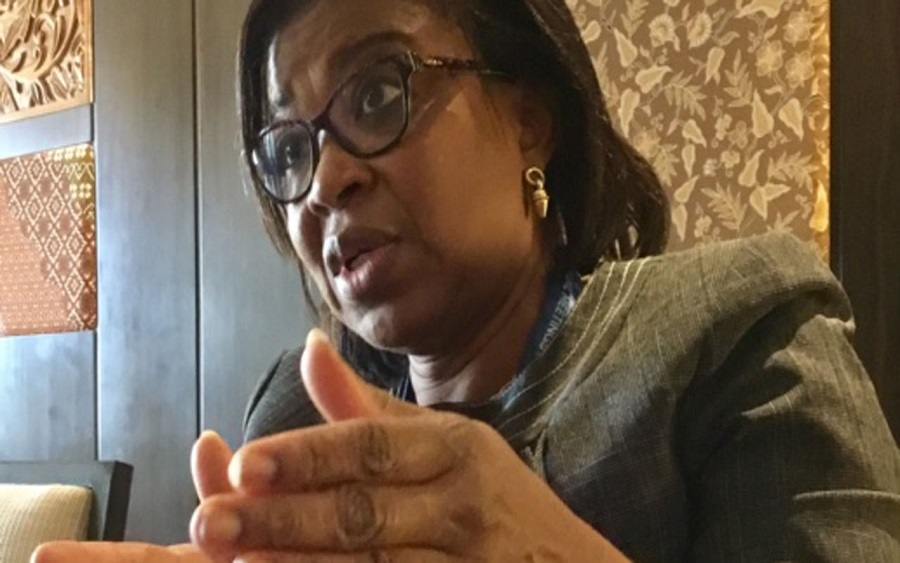
The Debt Management Office (DMO) has revealed that the Coronavirus outbreak would affect the Federal Government’s ability to service Nigeria’s debt which is currently about N26.2 trillion and likely to rise to N33 trillion if the government continues with its loan request.
DMO stated that the plans of President Muhammadu Buhari regarding servicing the debt are no longer visible due to the negative impact the Coronavirus is having on revenue generation – trade is dwindling and oil price is falling, putting Nigeria in a difficult situation to generate revenue for debt servicing.

Nigeria’s total public debt grew from $17.35 billion in 2006 to $85.4 billion on September 30, 2019, representing about N26.2 trillion. The Federal Government is also planning to borrow $22.7 billion, which has been suspended. This will put Nigeria’s total debt at $33 trillion. Although due to the Coronavirus, the government has suspended the plan.
Also Read
Despite the increase in debt, Nigeria is said to have more of a revenue problem and in order to fix it. The current administration has intensified its effort on revenue generation, but DMO said the government would record a shortfall in the target. Already, the government intends to review the N10.59 trillion budget, so the N2.4 trillion set aside in the budget for debt servicing might be an overstretched.
[READ MORE: DMO backs Buhari’s lending policy, seeks increased revenue to service loans)
Speaking on the impact of Coronavirus on the government’s debt servicing plan, the Director-General of the DMO, Patience Oniha said the option now available to Nigeria for revenue is the Finance Act and some sources.
She said, “The total public debt has indeed been growing. The debt includes external and domestic debts of the Federal Government, state governments and the FCT; and the debt has accumulated over many years.
“Whilst Nigeria’s debt is sustainable, recent developments in the global environment induced by COVID 19 already suggest a less-than-favourable economic outlook with implications for Nigeria.
“Irrespective of COVID-19, the drive towards revenue generation should remain a priority for Nigeria, to finance development and strengthen development sustainability.”

Oniha also stated that “Concerns have been expressed about the growth in Nigeria’s debt stock since the exit from the Paris and London Club of Creditors. It is true that the public debt stock has grown from $17,349.69m in 2006 to $85,390.82m as of September 30, 2019.
“However, it must be recognised that the current debt stock is the result of cumulative borrowing by successive governments to finance budget deficits and various infrastructure projects.”