 Follow Us on Google Discover
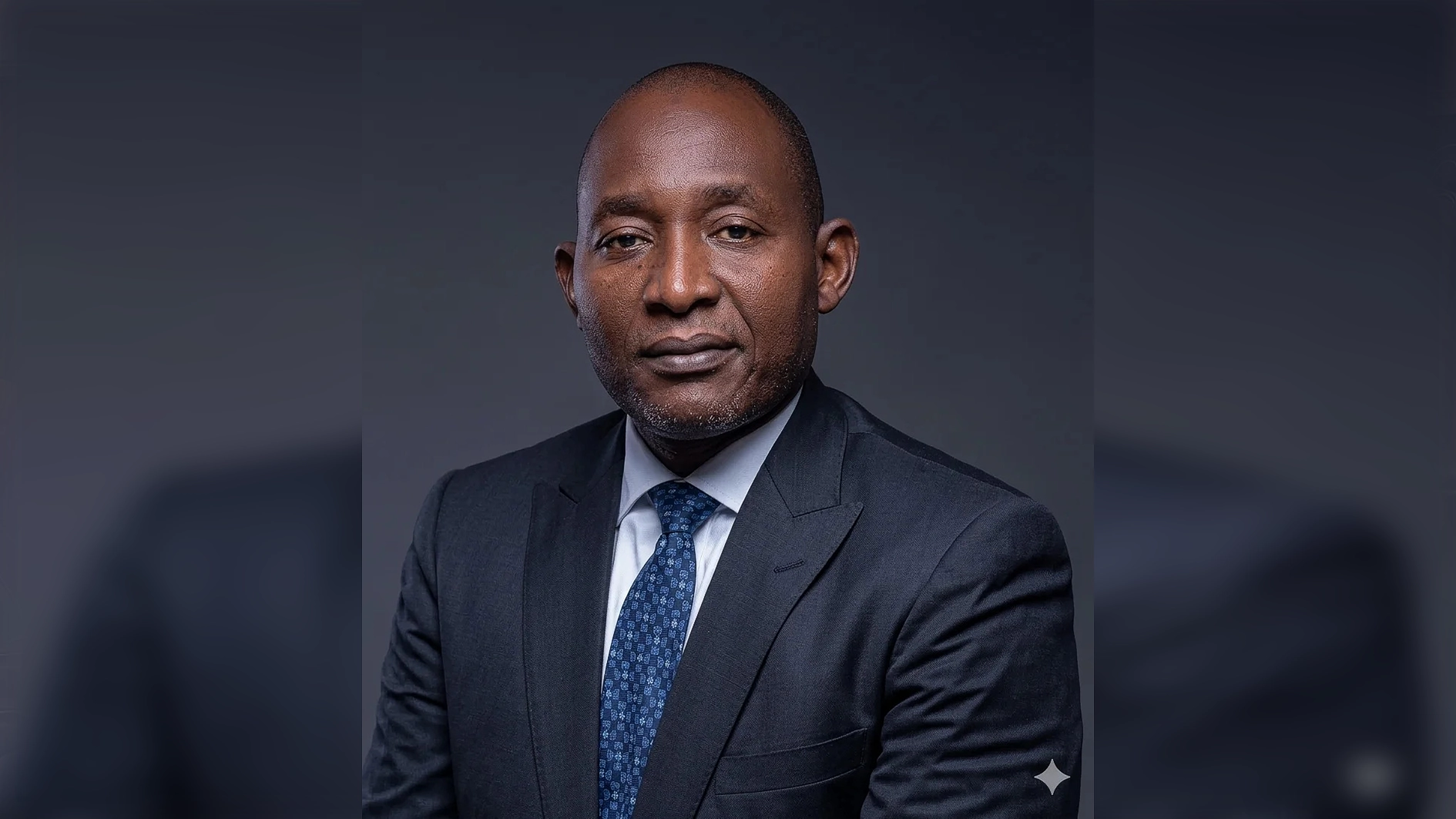
The Nigerian Midstream and Downstream Petroleum Regulatory Authority (NMDPRA) says Nigeria needs about $30 billion in investments by 2030 to expand its petroleum infrastructure and strengthen energy security.
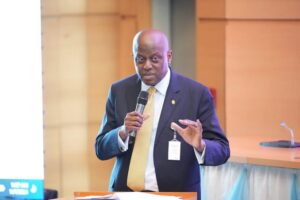
The Authority Chief Executive, Malam Rabiu Umar, disclosed this on Thursday at the 2026 Business Intelligence Africa (TBI Africa) Summit in Lagos.
Umar, who was represented by Mr Victor Ojiakor, Deputy Director, Distribution, Storage Systems and Retailing Infrastructure, said the investment was required to develop critical infrastructure across the midstream and downstream petroleum sectors.
The summit, organised by The Business Intelligence Africa, had the theme, “Securing Nigeria’s Energy Future: Balancing Energy Security, Sustainability and Economic Growth”.
Also Read
Nigeria’s strategic petroleum stock programme
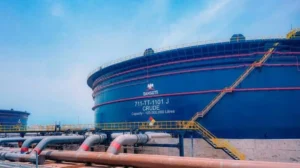
Umar said the NMDPRA was developing a national strategic petroleum stock programme to cushion the impact of supply disruptions and strengthen the country’s energy security.
According to him, the programme will initially cover selected depots before expanding nationwide, with a target of achieving strategic stock sufficiency of between 30 and 45 days.
He identified gas processing, storage, transportation and distribution as critical areas requiring investment to improve domestic energy supply.
He also highlighted opportunities to expand gas utilisation and develop infrastructure that would connect available resources to consumers.
Infrastructure gaps threaten energy investments
Speaking at the summit, Mrs Sarah Eugene, Business Research Analyst at International Energy Services Ltd., said Nigeria’s abundant oil and gas resources did not automatically translate into attractive investment opportunities.
- “There is a difference between potential and opportunity. They are not the same thing,” Eugene said.
She explained that investors considered commercial viability, reliable off-takers, infrastructure and payment arrangements before committing funds to energy projects.
Eugene identified unreliable pipelines and evacuation infrastructure as major risks capable of undermining project delivery and expected returns.
She called for a targeted national programme to develop critical infrastructure and transport gas to power plants and manufacturing facilities.
Similarly, Mr Olufemi Rufai, General Manager, Commercial, Falcon Corporation Ltd., identified inadequate gas transportation and distribution infrastructure as a major constraint to industrial development.
Rufai said expanding trunk pipelines alone would not guarantee gas supply to businesses without distribution networks connecting industrial clusters and other consumers.
Nigeria steps up investment in gas infrastructure
The $30 billion investment requirement comes amid ongoing efforts by the Federal Government to address infrastructure gaps in the gas sector and attract private capital to expand domestic supply and distribution capacity.
- In March 2026, Nairametrics reported that the NMDPRA had sought World Bank support to bridge an estimated $22 billion gas infrastructure gap, with investments required to strengthen supply, expand pipeline networks and develop gas processing facilities.
- In September 2026, the Midstream and Downstream Gas Infrastructure Fund (MDGIF) disclosed that it had leveraged N671 billion in public funds to attract N1.6 trillion in private investment across 31 gas infrastructure projects involving 205 assets. The projects are expected to deliver about 475 million standard cubic feet of gas daily to the domestic market when fully operational.
More recently, in November 2026, the Federal Government disclosed that Nigeria had 106 operational Compressed Natural Gas (CNG) refuelling stations, supported by $2.6 billion in private-sector investment. Another 170 stations were at different stages of development or awaiting regulatory approvals.