Follow Us on Google Discover
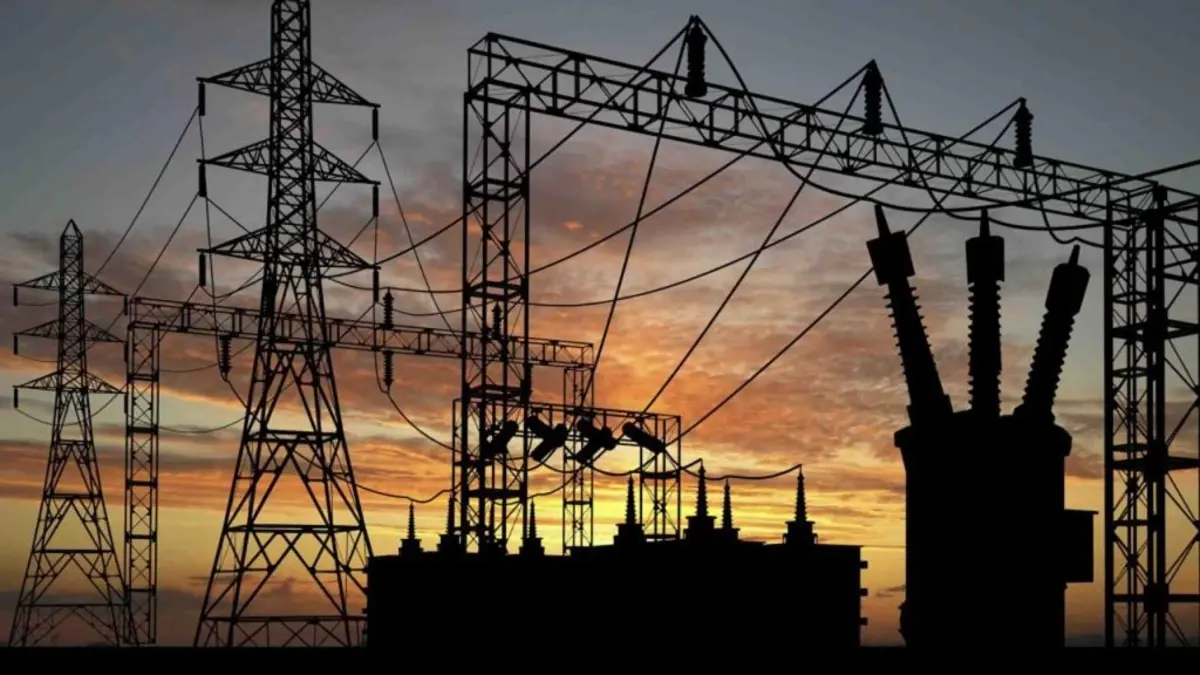
Thirteen years after the power sector was sold, most Nigerians still plan their day around NEPA.
The generator is still the real utility.
The diesel bill is still the real tariff.
At the Lagos Country Club Business Forum 3.0, Prof Barth Nnaji, founder of Geometric Power and a former Minister of Power, explained why.
Also Read
As reported by ThisDay, he listed infrastructure deficits, revenue collection losses, liquidity crises and bottlenecks across the value chain.
But he put one reason above the rest. Government promised investors cost-reflective tariffs, then refused to allow them.
That is the whole story in one sentence. Everything else follows from it.
A promise made, a promise broken
Before June 2012, the tariff was about N6 per kWh. The plan was a levelised, cost-reflective tariff. Some customer categories moved to about N22. The urban poor and rural customers were protected, and some even dropped from N6 to N4.
Investors bought the DisCos and GenCos on that promise. Then the tariff froze in politics. Nnaji says even today’s new tariffs are still not fully cost-reflective.
Think about what that means for a business. You buy a shop. You are told you can sell bread at the price it costs to bake. Then the government says sell below cost. You cannot fix the oven. You cannot hire. You cannot pay the flour supplier. That is a DisCo in Nigeria.
Someone always pays
Here is the part many people miss. Power is never free. If the customer does not pay the cost, somebody else does.
Nnaji did the sums. A subsidy of N50 per kWh on 5,000 MW comes to about N180 billion a month. That is about N2.16 trillion a year. And GenCos are owed more than N7 trillion.
So the real question is not whether Nigeria can afford cost-reflective power. The question is who pays the bill: the user through the tariff, the taxpayer through the budget, or the GenCo through debt that never gets settled. Right now we pay all three, plus diesel.
13,000 MW on paper, 5,000 MW in the wire
Nigeria has installed capacity of about 13,000 MW. Only about 5,000 MW reaches the grid. In other words, more than half of what has been built sits idle while homes and factories run generators.
Why not build more? Because it is expensive and paid in dollars. Nnaji puts plant cost at more than $1.5 million per MW, and most of the equipment is imported. Every new megawatt is a demand for FX. A plant that sells power in naira at below cost, while it owes for turbines in dollars, is a plant no banker wants to fund.
Metering is the same story. Aba Power spent about N50 billion on smart meters, covering more than 96 per cent of its customers. That is what it costs to know who used what and to bill them properly. Most DisCos never had that capital, because the tariff never produced it.
The backstop that disappeared
There is a quieter problem. In 2015, the partial risk backstop known as the PRG was suspended. The PRG gave lenders comfort that if government failed to pay for power, there was cover.
Without it, almost no new grid plants have come in for about 11 years. Azure Power in Edo was one that had a PRG. The Aba project was an exception. ExxonMobil’s 500 MW plant and Century Power’s 500 MW plant were suspended without it.
That is 1,000 MW of capacity that never happened. Investors are not refusing Nigeria. They are refusing to carry a political risk that government will not share.
So, can Nigeria afford power?
Nigeria already pays for power. It pays badly. It pays through subsidies that crowd out roads and hospitals. It pays through GenCo debt that scares off the next investor. It pays through generators in every compound, in every shop and on every street.
A cost-reflective tariff is not cruel by default. It can protect the poor, as the 2012 plan tried to do, with lower bands for rural and low-income users. What it cannot do is pretend electricity costs N6 when it costs far more.
What it means for you
If you run a business, add diesel, generator servicing and lost hours. Compare that with a published tariff on a reliable band. For many small firms, paid grid power that actually comes beats “cheap” power that does not.
If you are pricing a new factory or shop, budget for your own power from day one until the tariff and debt questions are settled.
If you are a saver or investor, watch the policy, not the headlines. Cost-reflective tariffs, GenCo debt settlement and risk cover for lenders would signal that capital can flow into power again. Until then, treat promises of new megawatts with caution.
If you are a household, read your bill and your band. Ask your DisCo for a meter. Estimated billing is part of the same broken chain.
In closing
Prof Nnaji’s point is simple. You cannot promise investors one price, enforce another, and expect light. Nigeria can afford power. What it cannot afford is to keep pretending power is cheap.
Follow me on X @FinPlanKaluAja1