Follow Us on Google Discover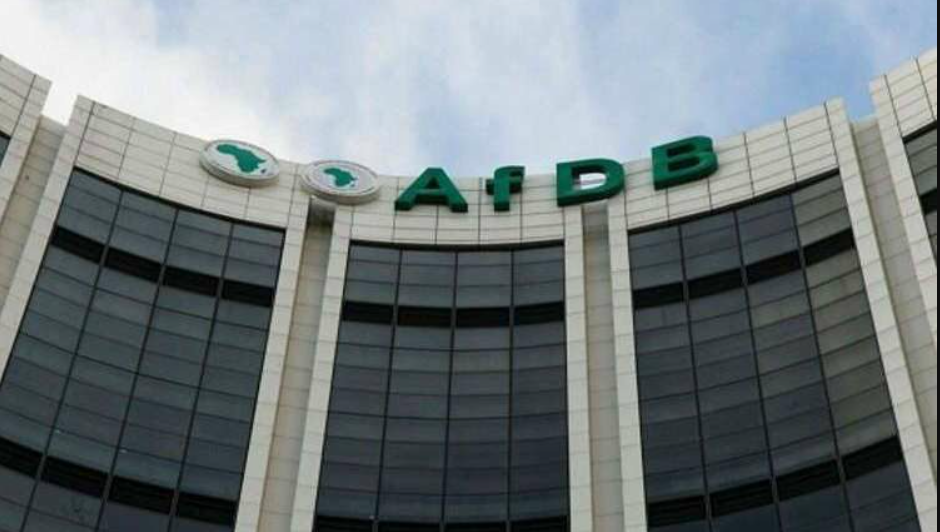
The African Development Bank (AfDB) has warned that Africa’s trade finance gap could widen to as much as $86.6 billion by 2027 as escalating geopolitical tensions in the Middle East, rising energy prices and tightening global credit conditions increase pressure on the continent’s trade ecosystem.
The warning was contained in the bank’s newly released 2025 Trade Finance Report.
According to the bank, disruptions to critical global shipping routes, including the Strait of Hormuz, have introduced fresh risks to African economies already facing constrained access to international trade finance.
What the AfDB is saying
The AfDB said rising geopolitical instability has significantly increased import costs, weakened African currencies and heightened lending risks across the continent.
- “The conflict has driven a sharp rise in oil and fertilizer prices and elevated insurance and freight costs which have in turn inflated shipping costs for Africa’s predominantly net oil-importing economies,” the bank stated.
- The report noted that at least 29 African currencies have depreciated since the outbreak of the conflict, placing additional pressure on foreign exchange reserves and import financing.
- AfDB projected that under a moderate risk scenario, Africa’s trade finance gap could rise to $86.59 billion by 2027, representing about a 17.66% increase from the $73.59 billion recorded in 2024.
The bank warned that the weakening of African currencies and rising import bills could trigger stricter lending conditions from international correspondent banks, thereby limiting access to trade finance for businesses across the continent.
More Insights
The report highlighted that inflationary pressures across Africa could worsen further as sustained energy price shocks continue to affect production and import costs.
- AfDB projected that inflation across Africa could average 10.4% in 2026, nearly one percentage point above earlier forecasts released in January 2026.
- In a more severe scenario involving prolonged disruption of the Strait of Hormuz and tighter global credit conditions, the continent’s trade finance gap could widen further to $95.59 billion by 2027.
- However, under a baseline scenario without major geopolitical disruptions, the bank estimated that the trade finance gap could gradually narrow toward $65 billion.
The bank added that global financial institutions are increasingly redirecting capital toward conflict-related hedging activities, reducing risk appetite for trade finance exposure in emerging and frontier markets.
Get up to speed
Africa’s trade finance gap has remained a major challenge for businesses and governments across the continent, particularly since the COVID-19 pandemic disrupted global supply chains and tightened international lending conditions.
- AfDB noted that the continent’s trade finance gap widened by 53% during the post-pandemic period of 2022 and 2023 compared to 2020 levels.
- Africa’s trade finance gap stood at approximately $93.4 billion in 2019 before gradual recovery efforts began following the pandemic.
- The bank said declining bank approval rates, tighter global financial conditions and rising borrowing costs have continued to constrain access to trade financing across many African economies.
According to the AfDB, sectors heavily dependent on imports — including manufacturing, agriculture, energy and industrial production — remain particularly vulnerable to worsening financing conditions.
What you should know
The AfDB said oil-exporting countries such as Nigeria and Angola could benefit from higher crude oil prices generated by the Middle East conflict, although such gains may not fully offset broader tightening in trade finance conditions.
Earlier, the AfDB stated that African countries could save as much as $299 billion annually through improved public investment efficiency while unlocking trillions of dollars in development financing.
- The Bank estimated that Africa could unlock up to $1.43 trillion annually through stronger tax systems, improved public spending efficiency, deeper capital markets, reduced corruption, and expanded public-private partnerships.