Follow Us on Google Discover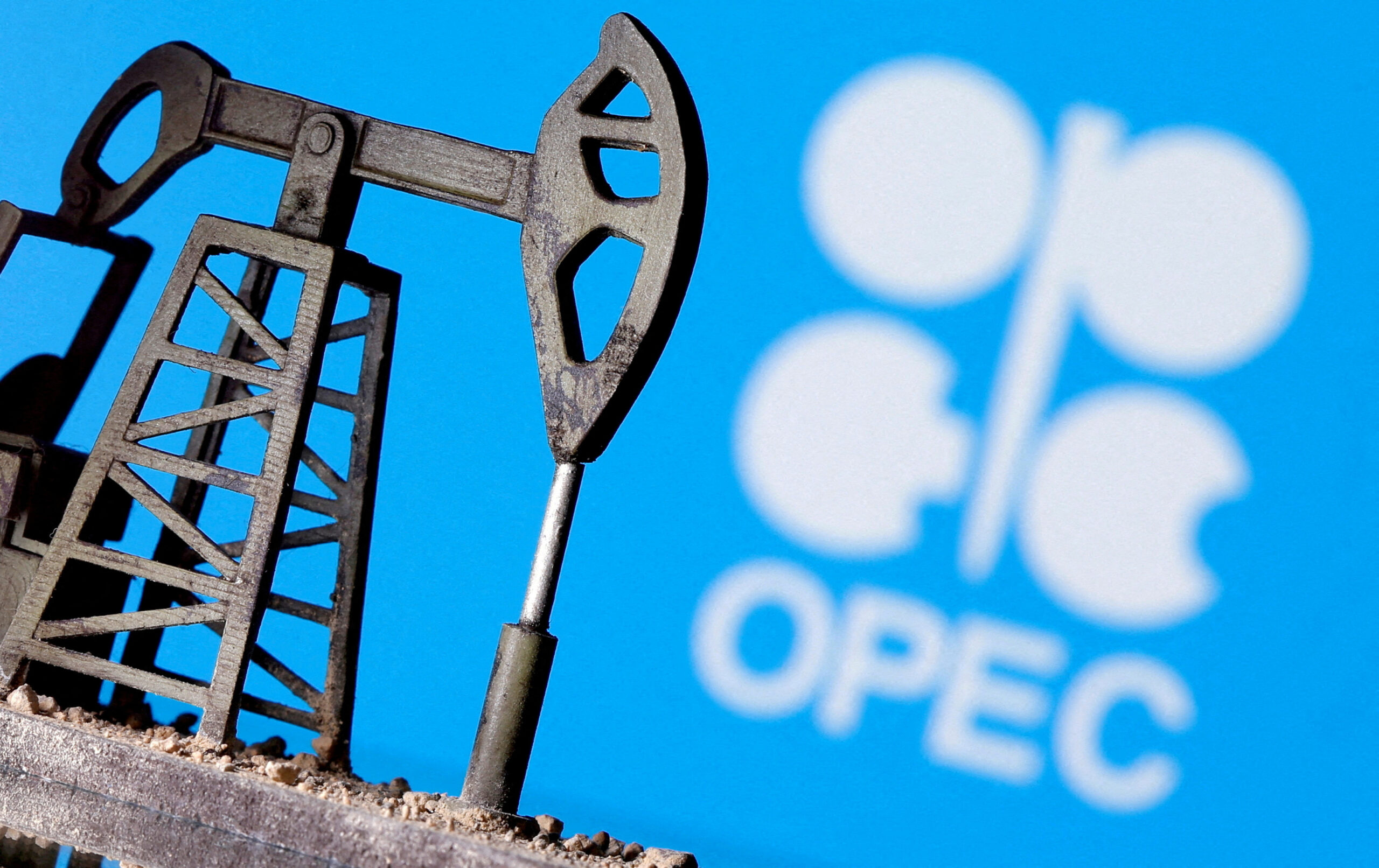
OPEC+ has approved a modest 188,000 barrels per day (bpd) increase in production quotas for June, even as the United Arab Emirates (UAE) formally exits the oil alliance.
The decision was reached during a virtual meeting on Sunday and comes at a time of heightened uncertainty in global oil markets, driven by geopolitical disruptions and supply constraints.
While the increase is largely symbolic due to logistical bottlenecks affecting exports, it signals the group’s intention to maintain a stable production stance despite internal fragmentation.
What the cartel is saying
OPEC+ confirmed that seven participating countries, led by Saudi Arabia and Russia, will implement a combined output adjustment of 188,000 bpd starting next month. The group said the move forms part of previously agreed voluntary production adjustments announced in April 2023.
Also Read
- “In their collective commitment to support oil market stability, the seven participating countries decided to implement a production adjustment of 188 thousand barrels per day from the additional voluntary adjustments announced in April 2023,” OPEC stated.
- However, actual delivery of the additional barrels remains uncertain due to disruptions affecting export routes, particularly the Strait of Hormuz.
At the same time, OPEC+ data highlights broader instability in supply. Crude oil output from the group fell sharply by 27.5% to 20.79 million bpd in March, marking one of the steepest declines in decades.
This production adjustment comes as the group continues efforts to restore output paused during earlier cuts, even as global supply chains remain under pressure.
Backstory
Tensions within OPEC+ have been building for years, particularly between the UAE and Saudi Arabia over production quotas and regional influence. These disagreements have repeatedly strained consensus on output policy.
- The UAE formally announced its departure from OPEC on April 28 and exited on May 1, surprising several member countries. Its exit follows prolonged friction over production limits and strategic autonomy.
- The broader OPEC+ alliance, which includes Russia and other allied producers, has been coordinating output cuts and gradual restorations since the pandemic-era oil crash in 2020. These coordinated efforts were further complicated by geopolitical tensions and disruptions linked to conflict in the Middle East.
A key flashpoint remains the Strait of Hormuz, a critical export corridor that handles about one-fifth of global crude oil and LNG flows. Rising instability in the region has continued to affect supply predictability.
More Insights
The latest production decision is widely viewed as symbolic rather than transformative, given that actual implementation depends heavily on export conditions in the Persian Gulf.
- OPEC+ is scheduled to hold its next policy meeting on June 7, where further adjustments to the output strategy may be discussed.
- The UAE’s exit removes a key producer from quota constraints, potentially allowing it to increase output independently once logistical conditions improve.
- OPEC+ did not mention the UAE in its official statement, signaling a diplomatic distance between both sides.
- The group is still formally pursuing the gradual restoration of previously halted production volumes.
The UAE, meanwhile, has indicated it plans to accelerate upstream and downstream investments through its national oil company, Adnoc, signaling a more aggressive long-term production strategy outside OPEC+ constraints.
What you should know
Recent developments point to a fragile and evolving global oil supply environment, with production volatility and geopolitical risk shaping near-term decisions.
- OPEC countries currently account for roughly 40% of global crude oil production, though this share has been declining over time.
- The group previously announced a planned production quota increase of 206,000 bpd for May 2026, aimed at offsetting supply disruptions linked to ongoing conflict.
The UAE has committed to a major expansion plan, including about 200 billion dirhams (approximately $55 billion) in energy project investments across upstream and downstream operations.