
Since taking office in 2023, Bola Ahmed Tinubu has pursued one of the most consequential economic reset agendas in Nigeria’s recent history, scrapping fuel subsidies, unifying the FX market, and signalling a return to market-led policy.
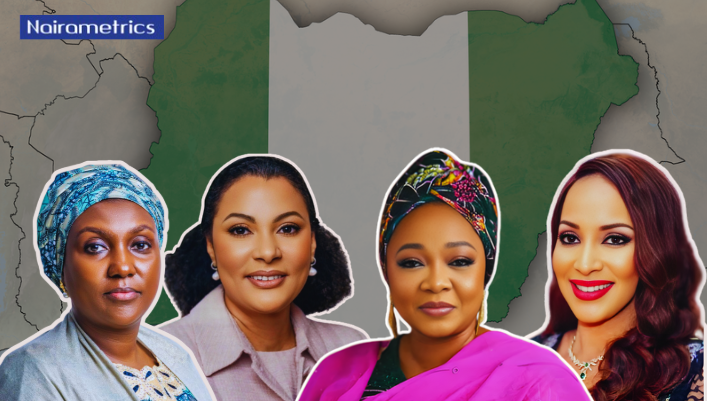
But beyond the headline reforms and volatile macro data lies a quieter, strategic shift in governance: the elevation of women into critical ministerial, agency, and parastatal roles that sit at the heart of execution.
In his cabinet alone, out of the 48 ministers, seven are women.


While inflation and currency pressures have tested households and businesses, financial markets have told a more optimistic story.
The Nigerian Exchange Limited has rallied sharply, buoyed by reform momentum, banking sector recapitalisation plays, and a gradual re-entry of foreign portfolio investors seeking yield and policy clarity.
This piece tracks the women(in no order of ranking)shaping that transition, leaders tasked with translating reform into results across finance, trade, regulation, and state-owned enterprises.
Their influence offers a distinct lens into how Tinubu’s economic agenda is being implemented, and whether Nigeria’s early market gains can evolve into sustained, broad-based growth.
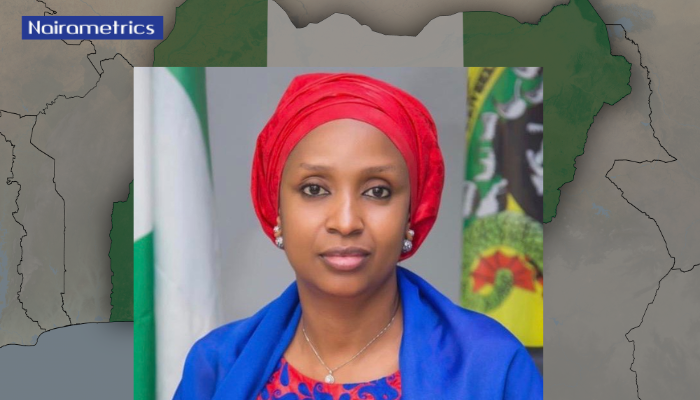
Special Adviser on Policy Coordination to the President, Nigeria
Hadiza Bala Usman is Special Adviser on Policy Coordination to President Bola Tinubu, appointed in June 2023, where she oversees cross-ministerial policy alignment and national delivery coordination under the Central Delivery Coordination Unit.
She is a public administrator and policy expert with over two decades of experience spanning governance, public sector reform, and development advocacy. Born on 2 January 1976 in Zaria, Kaduna State, she holds a Bachelor’s degree in Business Administration from Ahmadu Bello University and a Master’s degree in Development Studies from the University of Leeds.
Usman began her career at the Centre for Democratic Development and Research Training before moving into public service roles, including the Bureau of Public Enterprises and the Federal Capital Territory Administration under the UNDP framework. In 2015, she became Chief of Staff to the Governor of Kaduna State, the first woman to hold the position.
From 2016 to 2021, she served as Managing Director of the Nigerian Ports Authority, where she led institutional reforms and port modernization initiatives.
She is also a co-founder of the Bring Back Our Girls movement, which advocated for the rescue of abducted schoolgirls in Chibok. In 2023, she was appointed to her current federal role, focusing on improving policy execution, inter-agency coordination, and the delivery of government priorities.