
In March 2026, Johnvents Group moved on several fronts at once across its operations, signaling a shift from policy intent to system-wide implementation.
The Group formally launched its Environmental Charter, Johnvents Foods, its FMCG business unit cleared a major international audit, and field teams completed back-to-back training programs spanning cocoa traceability, child labour monitoring, and cooperative governance.
At the core of this momentum is the newly launched Environmental Charter, a structured framework designed to guide environmental performance across the Group.


Moving beyond a conventional policy document, the Charter defines clear priorities across resource efficiency, waste management, pollution prevention, and climate action, each backed by implementation plans, timelines, and measurable targets. Crucially, it is embedded within daily operations rather than isolated within a sustainability function, placing execution in the hands of teams across production, procurement, and logistics. This integration not only strengthens accountability but also aligns the Group with international ESG expectations, positioning it to meet rising due diligence requirements from global buyers, particularly in the cocoa export market.
 This operational alignment extends into the Group’s FMCG business unit, where Johnvents Foods recorded a significant milestone with the successful completion of the FSSC 22000 Stage 2 audit conducted by Bureau Veritas on March 3–4. As the decisive phase of the certification process, the audit evaluated the effectiveness of the facility’s food safety management systems, including hazard analysis, operational controls, and compliance procedures. The outcome confirms that the systems in place meet international standards and places the company on the threshold of full certification, an important step toward unlocking access to global supply chains where such standards are mandatory.
With downstream capabilities strengthening, the Group has simultaneously intensified efforts upstream, particularly within its cocoa sourcing network. In early March, trained staff delivered step-down training sessions for 28 Licensed Buying Agents (LBAs), focusing on traceability protocols, record-keeping, and regulatory compliance. As the primary link between farmers and the formal market, LBAs are central to ensuring that cocoa can be traced to origin, an increasingly critical requirement under evolving regulations, including European deforestation due diligence frameworks. Follow-up sessions are planned to ensure consistency and full adoption across the network.
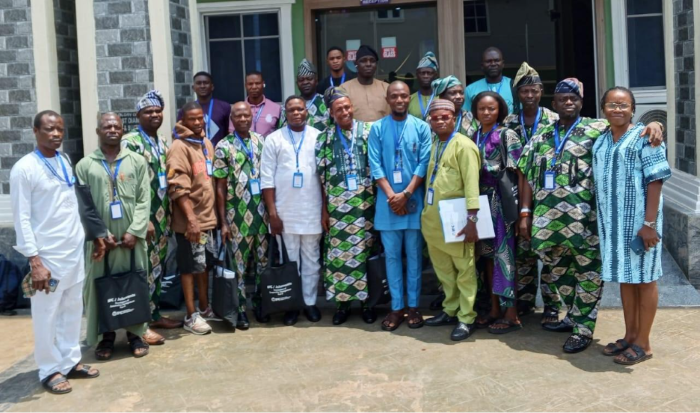
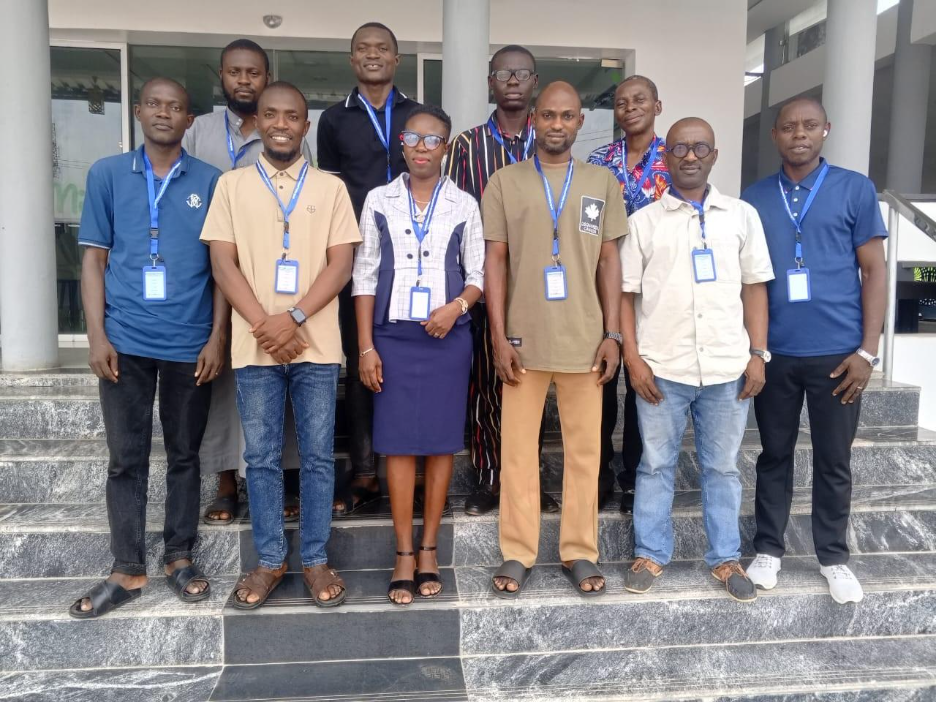
These supply chain efforts are reinforced by targeted investments in social compliance and cooperative governance. Thirteen field officers from the Group’s Child Labour Monitoring and Remediation System (CLMRS) team received advanced training from the International Cocoa Initiative, equipping them with tools for community engagement, case management, and standardized monitoring. At the same time, 105 cooperative leaders across Owo and Akure were trained through a cascade model designed to build internal capacity at scale.
Collectively, these milestones reflect a Group that is systematically closing the gap between ambition and execution. The progress recorded in March is not incidental, it is evidence of a long-term strategy taking root, one that positions the Group to capture higher-value opportunities, strengthen relationships with global partners, and lead the next chapter of Nigerian agribusiness on its own terms.