Follow Us on Google Discover
The Centre for the Promotion of Private Enterprise (CPPE) has warned that Nigeria’s fragile macroeconomic stability is under increasing threat from global energy shocks, political pressures, and fiscal constraints.
The warning was contained in the think tank’s economic outlook for the second quarter of 2026.
According to CPPE, although the Nigerian economy has shown signs of recovery and momentum, the sustainability of these gains remains uncertain as downside risks continue to build.
What the outlook is saying
CPPE described Nigeria’s disinflation trend as fragile and vulnerable to reversal, particularly amid rising global oil prices driven by the ongoing Middle East conflict.
Also Read
- “The outlook for Q2 2026 reflects a combination of sustained macroeconomic momentum and rising downside risks,” the report stated.
- “Higher crude prices transmit quickly into domestic fuel costs, increasing logistics, production, and operating expenses across the economy,” it added.
The report warned that these pressures could erode real incomes and worsen the cost-of-living crisis for households.
It also noted that while higher oil prices may boost government revenue, they pose immediate inflationary risks.
CPPE added that exchange rate stability may persist in the short term, supported by improved reserves and foreign exchange liquidity, but cautioned that volatility risks remain if geopolitical tensions escalate.
On growth, the think tank projected continued expansion but at a slower pace, citing weak consumer demand and high energy costs. It also flagged stagflation, a mix of high inflation and weak growth, as a major emerging risk.
The report further stated that the Central Bank of Nigeria is likely to maintain a cautious policy stance, warning that additional monetary tightening may have a limited impact on inflation while constraining investment and credit growth.
Get up to speed
Global oil prices have surged significantly in recent weeks, driven by escalating geopolitical tensions.
Brent crude rose by 6.3% to $107.49 per barrel, while West Texas Intermediate climbed 5.3% to $105.40 per barrel.
The spike followed signals from U.S. President Donald Trump indicating a prolonged military campaign against Iran.
Since the conflict began on February 28, rising oil prices have filtered into Nigeria’s domestic economy.
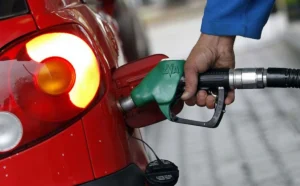
Petrol prices have increased to between N1,300 and N1,350 per litre following adjustments by the Dangote Refinery.
The surge in fuel prices has significantly raised transportation, logistics, and production costs, worsening inflationary pressures across the economy.
More insights
CPPE also highlighted growing political risks ahead of the 2027 general elections, warning that early campaign activities could derail reform efforts.
The think tank noted increasing political realignments and defections, raising concerns about policy distraction.
- It flagged fiscal risks linked to the N68 trillion 2026 budget, including weak revenue performance and delays in capital releases.
- CPPE warned that political interference in spending decisions could undermine fiscal discipline.
- It advised businesses to adopt strategies such as cost optimisation, alternative energy investments, and foreign exchange risk management.
- Investors were encouraged to focus on sectors with strong demand, export potential, and pricing power, while closely monitoring political developments.
CPPE concluded that while Nigeria recorded improved macroeconomic stability in Q1 2026, the outlook for Q2 remains cautiously positive but increasingly uncertain, with prolonged geopolitical tensions capable of triggering stagflation.
What you should know
Economic experts have warned that inflationary pressures are likely to persist throughout 2026 as global conflicts continue to disrupt energy markets.
The ongoing conflict involving the United States, Israel, and Iran has pushed oil prices above $100 per barrel.
- Rising fuel costs are already impacting manufacturers and consumers across Nigeria.
- Analysts expect sustained increases in the prices of goods and services. The situation is likely to further strain household incomes and purchasing power.
- These developments underscore the vulnerability of Nigeria’s economy to external shocks and highlight the need for targeted policy measures to protect consumers.