Follow Us on Google Discover
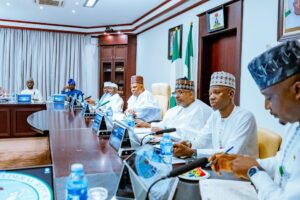
The Federal Government of Nigeria has unveiled a N1 billion reform of the country’s agricultural education system aimed at strengthening food security, creating jobs, and driving economic growth.
The announcement was made by the Federal Government on March 27 via a post by the Presidency Nigeria on X (formerly Twitter), highlighting a major shift in how agriculture is taught across Nigeria’s tertiary institutions.
Agricultural education refers to the structured teaching and training of students in farming, agribusiness, and related sciences. It covers areas such as crop production, livestock management, soil science, agricultural technology, and value chain development.
The goal is to equip learners with practical skills and knowledge to improve food production, manage agricultural enterprises, and contribute to national food systems.
Also Read
What they are saying
The reform is designed to modernise Nigeria’s agricultural curriculum by prioritising hands-on learning and industry-relevant skills, while also fostering collaboration between key government ministries.
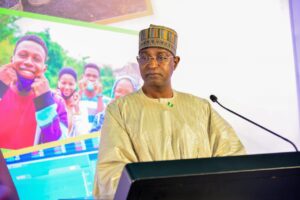
Minister of Education, Tunji Alausa, noted that the initiative will introduce a more practical, skills-driven model across tertiary institutions, with students expected to spend between 60% and 70% of their training on hands-on activities in critical agricultural sectors.
He added that the reform would also encourage stronger collaboration between the education and agriculture ministries to build a workforce capable of driving productivity and innovation in the sector.
Backstory
The latest move builds on earlier efforts by the government to reposition agricultural education as a key driver of economic development.
- On October 6, 2025, Nairametrics reported that the Federal Government had rolled out a broad reform plan for agricultural education, aimed at boosting food production and creating employment opportunities for young Nigerians.
- The initiative, led jointly by the Federal Ministries of Education and Agriculture and Food Security, was introduced in Abuja with a focus on updating outdated curricula to reflect modern farming techniques and technology.
At the time, Alausa raised concerns over declining student interest in agriculture-related courses, noting that despite thousands of available admission slots in recent years, only a small proportion had been filled.
- “Agriculture is a major national priority, but enrollment in agricultural courses in higher institutions is dropping,” he said at the time.
What you should know
The N1 billion investment comes amid ongoing efforts by the government to revitalise Nigeria’s agricultural sector, which has faced persistent challenges due to insecurity. Issues such as herder-farmer conflicts in the Middle Belt and insurgency in the North have continued to disrupt farming activities and food supply chains.
- In a related development earlier this month, Nairametrics reported that the Federal Government approved a N250 billion facility for the Bank of Agriculture to provide smallholder farmers with access to credit at single-digit interest rates.
- Previously, in September 2025, the Bank of Agriculture secured a $1 billion intervention facility in partnership with African Export-Import Bank to strengthen Nigeria’s agricultural value chain.
- In addition, the bank also obtained a $200 million livelihood support fund in collaboration with the International Organization for Migration in October 2025, aimed at supporting displaced persons and migrants across the country.
These combined efforts reflect a broader push by the government to improve agricultural productivity, enhance food security, and position the sector as a major driver of inclusive economic growth.