
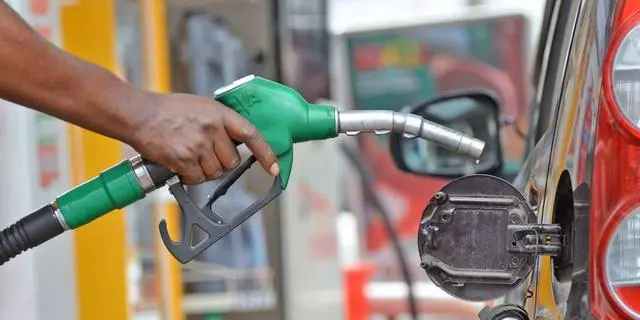
Several African countries continue to rank among the world’s cheapest destinations for petrol, driven largely by fuel subsidies, government price controls, domestic refining capacity, and access to crude oil reserves.
As of January 2026, Libya maintains a commanding lead as the continent’s cheapest fuel market, with prices far below global averages, while Angola and Algeria complete the top three, according to data from Global Petrol Prices.
The figures reflect average national retail petrol prices across African countries and were last updated on January 26, 2026. Prices are quoted in US dollars per litre and converted into local currencies at prevailing exchange rates.

The rankings are compiled using data from Global Petrol Prices, a widely referenced database that tracks national average retail energy prices in more than 150 countries and over 250 cities worldwide. The platform updates its data weekly and covers petrol, diesel, electricity, and natural gas. While the data provides a useful benchmark, actual pump prices may vary by city, supplier, and distribution costs within each country.
Below are the top 10 African countries with the cheapest petrol prices per litre as of January 2026:
Fuel in Algeria is priced at $0.37 per litre, equivalent to roughly DZD 47.00. Decades of government subsidies, robust domestic oil and gas production, and relatively limited exposure to international price swings have helped keep pump prices among the lowest in the world.
However, on January 1, 2026, Algeria implemented a surprise, unannounced increase in fuel prices aimed at curbing rising production and distribution costs. Gasoline prices were adjusted to DZD 47 per litre, diesel to DZD 31 per litre, and LPG rates were also raised, although all remain well below global averages.
The announcement triggered brief, localized transportation strikes and minor disruptions in logistics as businesses and transport operators adapted to the new rates.
The government has emphasized that these price adjustments are intended to secure continuous fuel supplies while absorbing most of the actual production and distribution costs.