
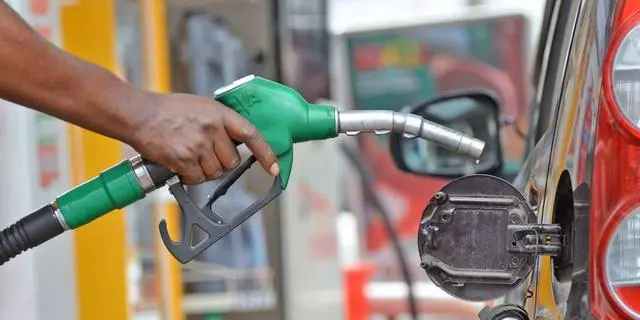
Several African countries continue to rank among the world’s cheapest destinations for petrol, driven largely by fuel subsidies, government price controls, domestic refining capacity, and access to crude oil reserves.
As of January 2026, Libya maintains a commanding lead as the continent’s cheapest fuel market, with prices far below global averages, while Angola and Algeria complete the top three, according to data from Global Petrol Prices.
The figures reflect average national retail petrol prices across African countries and were last updated on January 26, 2026. Prices are quoted in US dollars per litre and converted into local currencies at prevailing exchange rates.

The rankings are compiled using data from Global Petrol Prices, a widely referenced database that tracks national average retail energy prices in more than 150 countries and over 250 cities worldwide. The platform updates its data weekly and covers petrol, diesel, electricity, and natural gas. While the data provides a useful benchmark, actual pump prices may vary by city, supplier, and distribution costs within each country.
Below are the top 10 African countries with the cheapest petrol prices per litre as of January 2026:
Fuel in Sudan sells for approximately $0.700 per litre, equivalent to around 630 Sudanese pounds. Prices are heavily influenced by ongoing economic challenges, including high inflation, currency depreciation, and frequent supply disruptions linked to political instability.
Despite these pressures, authorities continue to manage costs through administrative pricing measures aimed at mitigating sharp increases for consumers.
In 2021, Sudan fully liberalized gasoline and diesel prices, as announced by the Ministry of Finance. The move canceled previous fixed prices and introduced new rates intended to reflect actual import costs, according to Reuters. This shift marked a significant departure from the country’s longstanding policy of subsidized fuel and was designed to reduce the fiscal burden on the government while improving transparency in the energy sector.
Since then, fuel prices have remained volatile, shaped by the interplay of global oil prices, exchange rate fluctuations, and domestic logistical challenges. Sudan has been pursuing aggressive reforms under the supervision of the International Monetary Fund (IMF), with the goal of stabilizing the economy, restoring fiscal balance, and creating conditions for debt relief and renewed international financing. These reforms include subsidy reductions, currency liberalization, and attempts to enhance domestic fuel distribution networks.