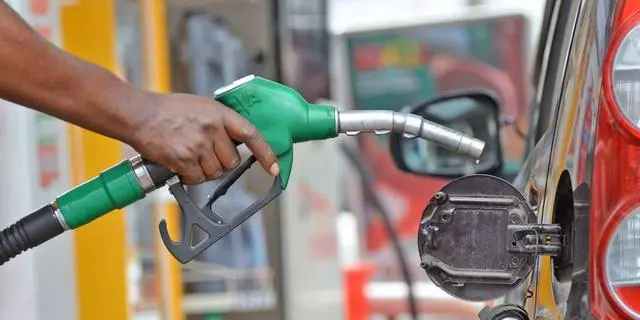
Several African countries continue to rank among the world’s cheapest destinations for petrol, driven largely by fuel subsidies, government price controls, domestic refining capacity, and access to crude oil reserves.
As of January 2026, Libya maintains a commanding lead as the continent’s cheapest fuel market, with prices far below global averages, while Angola and Algeria complete the top three, according to data from Global Petrol Prices.
The figures reflect average national retail petrol prices across African countries and were last updated on January 26, 2026. Prices are quoted in US dollars per litre and converted into local currencies at prevailing exchange rates.

The rankings are compiled using data from Global Petrol Prices, a widely referenced database that tracks national average retail energy prices in more than 150 countries and over 250 cities worldwide. The platform updates its data weekly and covers petrol, diesel, electricity, and natural gas. While the data provides a useful benchmark, actual pump prices may vary by city, supplier, and distribution costs within each country.
Below are the top 10 African countries with the cheapest petrol prices per litre as of January 2026:
Petrol sells in Tunisia at about $0.89 per litre, equivalent to approximately TND 2.53. The country maintains a system of partial fuel subsidies as it seeks to balance social stability concerns with broader fiscal reforms encouraged by international lenders.
Although pump prices have increased steadily in recent years, they remain among the lowest in North Africa outside the region’s major oil-producing countries.
Fuel prices in Tunisia are government-controlled and heavily subsidised, with periodic adjustments rather than full market liberalisation. Authorities have implemented multiple price increases over the years in an effort to gradually align domestic fuel costs with international oil prices while limiting the social impact of abrupt hikes.
Historically, the government has raised fuel prices several times within a single year, often in response to surging global oil prices and widening budget deficits. For example, petrol prices were increased on multiple occasions in 2022, reflecting the state’s effort to curb the growing cost of subsidies.
These adjustments are closely linked to Tunisia’s engagement with the International Monetary Fund (IMF), particularly under subsidy reform programmes initiated around 2016.
Under these arrangements, the government committed to reducing public spending and narrowing fiscal imbalances, making fuel price increases a recurring policy tool even as authorities remain cautious about public backlash and inflationary pressures.