Follow Us on Google Discover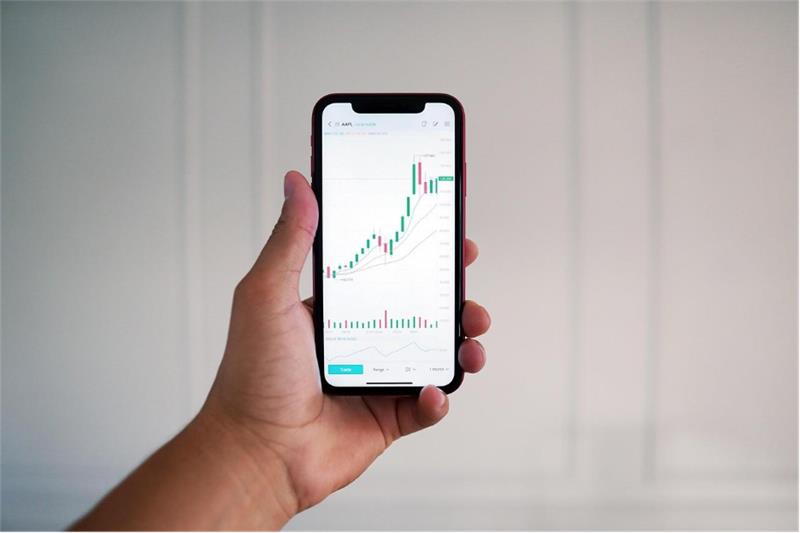
Nigerian traders are moving from scattered tools to focused mobile workflows.
They want clearer signals, faster execution, and smarter risk checks that fit busy schedules.
Artificial intelligence inside mobile platforms now screens markets, organises alerts, and turns raw data into simple action steps that a trader in Lagos or Abuja can use before work or after class.
Many newcomers begin by exploring the features of a forex trading app that can combine charts, education, and risk tools in one place. The aim is not only speed. It is consistency. An app with practical AI features reduces guesswork and keeps the trader aligned with a plan during London and New York sessions when liquidity is strongest.
Why AI Features Matter For Nigeria
AI helps a trader who cannot sit in front of a screen all day. It filters thousands of candles per minute across major pairs and gold. It tags patterns, scores momentum, and pushes only the most relevant alerts.
This is useful when power or internet access is inconsistent or when daily routines limit screen time. The right alert at the right moment can preserve a good entry price and a clear exit.
What An AI Enabled Workflow Looks Like
A typical day starts with a dashboard summary. The app shows trend bias on the daily and four-hour charts, then lists near-term setups on the one-hour and fifteen-minute charts. Risk prompts appear before any trade is sent. If the market is thin or spreads are wide, the app suggests a smaller size. If correlation is high across pairs, the app reminds the user that total exposure is rising.
Core Functions That Help Nigerian Traders
Price action scanning
The app detects breakouts, pullbacks, and divergence. It does not replace judgement. It simply ensures that clean patterns are not missed.
Session-aware alerts
Push notifications focus on London open and the New York overlap. This keeps attention on periods with better depth and steadier fills.
Risk scaffolding
Position size calculators and daily loss caps are built into the order ticket. The app warns when a stop is too tight for current volatility.
Education inside the chart
Tooltips explain why an alert fired. Over time the trader learns how structure, momentum, and volume proxies align.
How AI Supports Better Entries And Exits
Good entries are patient and specific. AI helps by marking zones where supply or demand has defended more than once. When price returns to that area during a liquid session, the app signals a potential entry and shows a suggested invalidation level.
On exits, the app tracks reward to risk and flags when the original plan has been met. It can also suggest partial profit-taking when momentum weakens.
Practical Tips To Get Value From AI
- Keep a singlewatchlist of pairs that fit your hours and internet stability
• Let the app alert you at planned zones rather than chasing candles
• Use fixed percentage risk per trade and keep a daily stop
• Record each alert with a short note on why you took it or skipped it
Funding And Access Keep Improving
Nigerian users now see smoother deposits and withdrawals through regulated channels. This reduces the need to hold large idle balances. Mobile broadband coverage is wider and backup power options are common in offices and homes. With better access, an AI guided plan can function without constant desk time.
Common Mistakes To Avoid
Overtrusting the model
AI highlights probability, not certainty. A trader who treats every alert as a must take signal will overtrade.
Ignoring liquidity
If spreads are wide around local banking windows, even a good setup can slip. Size down or wait for better depth.
Switching plans too fast
New users often jump from one model to another after a few losses. Keep the same rules for a full month before any change.
Copying styles that do not fit your hours
A strategy that works during London open may not suit a trader who is only free near New York close.
Use Cases Across Three Profiles
Student in Lagos
Studies during the day and trades evenings. Uses session alerts for New York overlap, sizes at one percent risk, and avoids high impact news.
Professional in Abuja
Checks markets before work. Prepares levels at night, enables alerts for London open, and uses partial exits to lock gains before the commute.
Business owner in Port Harcourt
Holds swing trades for several days. Uses AI to find pullbacks into demand zones and sets wider stops with smaller size.
A Four-Step Starter Plan
Step one
Learn order types, spreads, and how to place a stop beyond recent structure. Backtest one setup across three months of charts.
Step two
Build a watchlist of four instruments. Use the app to mark levels and enable alerts for London and New York sessions only.
Step three
Set a daily loss cap. Trade small for thirty days while keeping a journal of slippage, spread, and rule adherence.
Step four
Review each weekend. Keep what works. Remove one source of noise. Do not raise size until execution is steady.
Why This Trend Will Persist
Demographics favour adoption. A young population, strong interest in digital skills, and steady smartphone growth create demand for mobile finance. As payment rails and connectivity improve, AI features will become normal expectations. Traders will value tools that compress analysis time, provide guardrails, and teach through real trades.
Outlook For The Next Year
Expect more apps to offer session-specific alerts, volatility-aware sizing, and simple report cards that show rule compliance. Education modules will integrate with live charts so that concepts move from theory to action quickly. Communities will organise around data-driven habits rather than hype. The goal is durable progress, not fast wins.
Conclusion
AI trading apps are gaining ground in Nigeria because they reduce friction. They surface cleaner setups, protect against avoidable mistakes, and keep traders focused on planned sessions. The edge comes from discipline guided by data.
With a tight watchlist, firm risk rules, and steady review, Nigerian traders can use these tools to build a stable path through the forex market.