For years, Nigeria’s wires and cables market was dominated by imports, brands that were cheap but often ill-equipped to survive the country’s heat, voltage fluctuations, and relentless load-shedding.
Every flicker of a light or sparking socket told a story of cables that couldn’t keep up.
Fast forward to today, and a different story is unfolding.


Indigenous manufacturers are no longer on the sidelines; they are at the heart of powering homes, offices, factories, and telecom networks across the country. From low-voltage wiring in apartments to medium-voltage lines energizing industrial clusters.
Their rise is more than a business success; it is a testament to resilience and innovation. Competing against imports, these entrepreneurs are producing ISO-certified, high-quality cables that meet international standards. They are supporting construction, real estate, and industrial growth while helping stabilize a grid that still struggles to keep up with rising energy demands.
Nigerian wires and cables market is projected to grow at a 5.2% annual rate between 2025 and 2031, reflecting rising demand across residential, industrial, and utility sectors.
As Nigeria’s population grows, so does the need for housing, infrastructure, and industrial power networks, making the role of these local manufacturers even more central to the country’s future.
This list focuses on Nigerian electricity wire and cable manufacturers whose founders are publicly documented. Many players in the sector operate with limited visibility, making it difficult to trace ownership or leadership history
Here are the entrepreneurs driving Nigeria’s wires and cables industry.
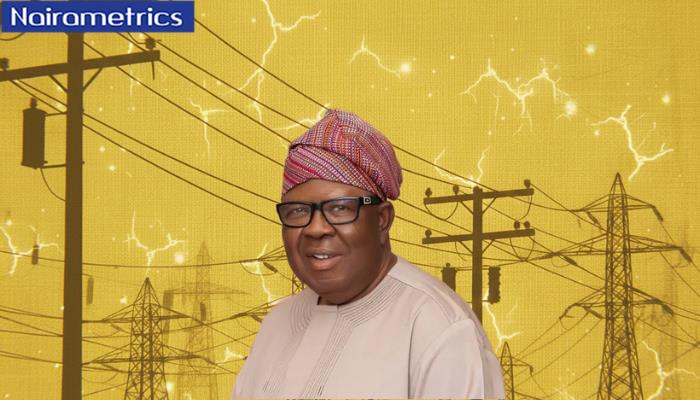
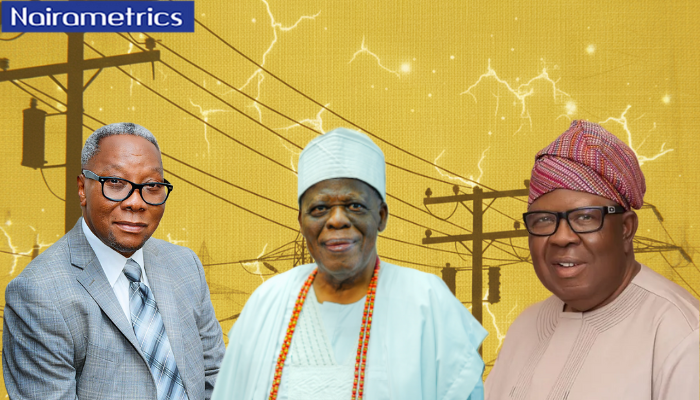
MicCom Cables and Wires Limited was founded by Prince Michael Ayantunde Ponle, also known as Prince Tunde Ponle, a Nigerian engineer, entrepreneur, and industrialist. Ponle overcame early financial hardship and limited formal education to build one of Nigeria’s pioneering cable manufacturing companies.
Ponle began his career in education, attending The Polytechnic, Ibadan in 1962 to study Electrical and Electronics Engineering, before transferring to the Posts & Telecoms Training School in Oshodi, Lagos, where he acquired practical skills in telecommunications and electronics.
He briefly worked at the University of Ife (now Obafemi Awolowo University), Ibadan branch and taught at Ife Girls’ High School. In 1974, Ponle began contracting work in electrical and engineering projects, and by 1978, he formally established MicCom Cables and Wires Limited, entering manufacturing with a focus on house wiring, power cables, and conductors.
MicCom has grown into a leading player in sub-Saharan Africa, producing a wide range of electrical products that serve residential, industrial, and utility infrastructure projects. The range of products MicCom offers is broad are from PVC‑insulated house wiring and consumer cables, to power cables (armoured and non‑armoured), aluminium and copper conductors fulfilling needs across residential, commercial, industrial, and utility‑scale installations.
In terms of quality assurance and standards compliance, MicCom has long held the ISO 9001 certification. In 2024, it became the first cable manufacturer in Nigeria to secure a triple ISO accreditation, ISO 9001:2015 (Quality Management), ISO 14001:2015 (Environmental Management), and ISO 45001:2018 (Occupational Health & Safety).
Beyond manufacturing, Prince Ponle also founded the MicCom Golf Hotel & Resort in Ada, Osun State, amongst multiple foundations