
 Follow Us on Google Discover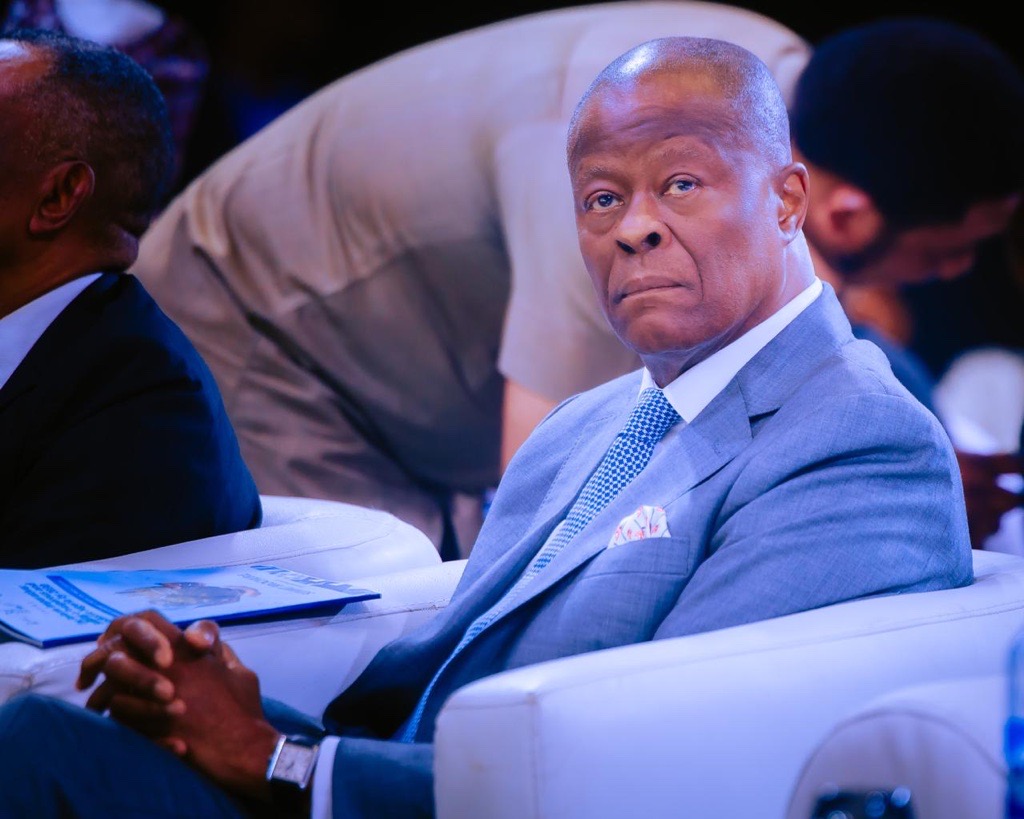
In this role, I often feel a mix of emotions: deep pride in our national journey, regret over the opportunities we failed to seize, and confidence in our direction of travel today.
Despite some historical shortfalls and present-day challenges, I believe the most difficult phase of our economic journey is behind us. Nigeria has turned a decisive corner.
The road ahead will demand hard work and discipline, but we are firmly on the right path.
When President Bola Ahmed Tinubu took office in 2023, Nigeria’s economy was on the brink of fiscal collapse. Slowing growth, surging inflation, and market distortions like the fuel subsidy and multiple exchange rate regimes had created an environment that scared off investment.
The President’s mandate was clear – dismantle those market distortions, reward productivity, and create a climate where private investment can thrive.
From Crisis to Stability
Two years later, the results are evident at the macro level. GDP grew by 4.23 per cent in the second quarter of 2025. Inflation, while still high, has moderated to 18.02 per cent after six consecutive months of decline.
The exchange rate has stabilised, and the gap between official and parallel markets has narrowed to about 1 per cent, down from a peak of nearly 70 per cent. Importantly, foreign reserves have risen above $43 billion, the highest since 2019. These are more than just numbers; they are the foundation for building inclusive growth that benefits every Nigerian.
Notwithstanding, we recognise that the economy is ultimately about people, not statistics. Millions of Nigerians measure progress by the cost of food, transport, and other necessities. I am keenly aware of this reality.
Food inflation has been our heaviest burden since it surged after currency depreciation and the removal of fuel subsidies. However, targeted measures are beginning to ease the pressure. A bag of rice that cost about N120,000 last year now averages around N80,000. The prices of garri, pepper, tomatoes, and other essentials have also decreased.
At the same time, we are careful to ensure our smallholder farmers have enough incentives to return to farms next planting season. We are therefore implementing programmes that stimulate agricultural production by safeguarding smallholder farmers’ incomes.
In addition, 8.1 million households nationwide have received direct cash support from the government to help meet basic needs. This is more than a safety net; it ensures that the impact of these necessary reforms is cushioned for the most vulnerable among us, even as we continue to resolve the identity verification issues required to reach our 15 million households’ target.
Hard Truths on Debt and Revenue
The progress we have made does not diminish the tough realities we still face. Debt service costs remain heavy, consuming a larger-than-ideal share of our revenues. This is the consequence of past borrowing and elevated interest rates. At the same time, Nigeria’s fiscal revenue-to-GDP ratio, at about 10 per cent after rebasing, remains one of the lowest in Africa. This limits government resources for essential services like health, education, and infrastructure.
On 26 June 2025, the President signed the new Nigeria Tax Act and companion legislation, to take effect on 1 January 2026. These reforms aim to broaden the tax base, simplify compliance, and reduce leakages, while introducing a more progressive tax regime that shields lower-income earners and adjusts rates for higher earners.
Together with structural revenue reforms such as the Revenue Optimisation and Assurance programme (RevOp), these measures will strengthen revenues, create fiscal space, and support greater investment in our people and infrastructure.
Anchoring Growth in Real Sectors
A stable economy is crucial, but stability alone is insufficient. To deliver inclusive prosperity, we must anchor growth in sectors that generate jobs and opportunities. We are providing necessary incentives to revive investments in the oil and gas industry. With improved security, oil theft is down, and production has rebounded to 1.68 million barrels per day, including condensates. Refinery projects are setting the stage for a stronger downstream sector.
In agriculture, we are boosting food supply, reducing reliance on imports, and ensuring farmers have security and access to markets. We are encouraging investment in factories and strategic value chains, creating employment for our young and dynamic workforce.
We are investing in technology and the creative sector to harness the energy of our youth and position Nigeria as a hub of innovation. In addition, we are expanding exports beyond oil by tapping into the global demand for critical minerals.
Infrastructure is the backbone of growth. Public funds alone cannot meet Nigeria’s vast needs, so we are attracting private capital through public-private partnerships. The Ajaokuta–Kaduna–Kano gas pipeline, and Project Bridge’s 90,000 km fibre expansion are examples of how we are laying out the groundwork for industrialisation and nationwide connectivity.
Restoring Confidence at Home and Abroad
As I begin to conclude, the clearest sign that Nigeria is on the right path is the return of confidence. Investors – both domestic and foreign, multilateral institutions, and ordinary citizens are starting to believe in the nation’s prospects again. But confidence is fragile. Sustaining it demands a predictable policy environment, disciplined fiscal management, and steady progress in reducing inflation.
Our medium-term target is 7 per cent growth by 2027/28. Achieving this will require not only government action but the full participation of the private sector, entrepreneurs, and citizens. I am confident that if we work together, we will not only meet this target but surpass it. The task ahead, therefore, is to deepen resilience, broaden opportunities, and ensure that reforms translate into real improvements in daily life – better schools, affordable food, reliable power, accessible healthcare, and jobs for our youth.
Then, we can be assured that Nigeria’s next decade will be one of shared prosperity and renewed hope.
By Wale Edun, Minister of Finance and Coordinating Minister of the Economy

Minister Edun, this is a strong case for macro-stability and policy credibility, but Nigeria’s path to shared prosperity will depend on what comes after the stabilization phase. Three priorities stand out:
1. Institutional Capacity and Local Execution. Fiscal and monetary reforms mean little without effective local governments that can deliver services transparently. As Coordinating Minister, you can set the fiscal frameworks and incentives—through performance-based grants and transparent intergovernmental transfers—that reward accountability and strengthen local delivery.
2. Human Capital and Productivity. Food inflation may ease, but productivity won’t rise without sustained fiscal prioritization for teacher quality, vocational education, and public health. Your budgetary influence can ensure that macro gains translate into tangible human-development outcomes that boost worker productivity and drive progress toward your 7% growth target.
3. Capital Market Depth and SME Credit. This sits firmly within your remit. Deepening domestic capital markets, unlocking pension and insurance assets for infrastructure and SME financing, and scaling securitization frameworks could turn macro-stability into a private-sector growth engine. Too much domestic capital remains on the sidelines due to limited confidence in private markets; strengthening transparency and efficiency will help crowd that capital in.
Nigeria has indeed turned a corner. The challenge now is staying the course—while widening the road so that more Nigerians can travel it.