• Login
  • Register
Nairametrics
  • Home
  • Exclusives
    • Recapitalization
      • Access Holdings Offer
      • Fidelity Bank Offer
      • GTCO Offer
      • Zenith Bank Offer
    • Financial Analysis
    • Corporate Stories
    • Interviews
    • Investigations
    • Metrics
    • Nairalytics
  • Economy
    • Business News
    • Budget
    • Public Debt
    • Tax
  • Markets
    • Currencies
    • Cryptos
    • Commodities
    • Equities
      • Company Results
      • Dividends
      • Public Offer & Right Issues
      • Stock Market News
    • Fixed Income
    • Funds Management
    • Securities
  • Sectors
    • Agriculture
    • Aviation
    • Company News
    • Consumer Goods
    • Corporate Updates
    • Corporate deals
    • Corporate Press Releases
    • Energy
    • Entertainment
    • Financial Services
    • Health
    • Hospitality & Travel
    • Manufacturing
    • Real Estate and Construction
    • Renewables & Sustainability
    • Tech News
  • Financial Literacy
    • Career tips
    • Personal Finance
  • Lifestyle
    • Billionaire Watch
    • Profiles
  • Opinions
    • Blurb
    • Market Views
    • Op-Eds
    • Research Analysis
  • Home
  • Exclusives
    • Recapitalization
      • Access Holdings Offer
      • Fidelity Bank Offer
      • GTCO Offer
      • Zenith Bank Offer
    • Financial Analysis
    • Corporate Stories
    • Interviews
    • Investigations
    • Metrics
    • Nairalytics
  • Economy
    • Business News
    • Budget
    • Public Debt
    • Tax
  • Markets
    • Currencies
    • Cryptos
    • Commodities
    • Equities
      • Company Results
      • Dividends
      • Public Offer & Right Issues
      • Stock Market News
    • Fixed Income
    • Funds Management
    • Securities
  • Sectors
    • Agriculture
    • Aviation
    • Company News
    • Consumer Goods
    • Corporate Updates
    • Corporate deals
    • Corporate Press Releases
    • Energy
    • Entertainment
    • Financial Services
    • Health
    • Hospitality & Travel
    • Manufacturing
    • Real Estate and Construction
    • Renewables & Sustainability
    • Tech News
  • Financial Literacy
    • Career tips
    • Personal Finance
  • Lifestyle
    • Billionaire Watch
    • Profiles
  • Opinions
    • Blurb
    • Market Views
    • Op-Eds
    • Research Analysis
Nairametrics
Home Economy

Nigeria’s Public Debt Breakdown: Who we are owing as of June 2025 

Research Team by Research Team
October 11, 2025
in Economy, Public Debt
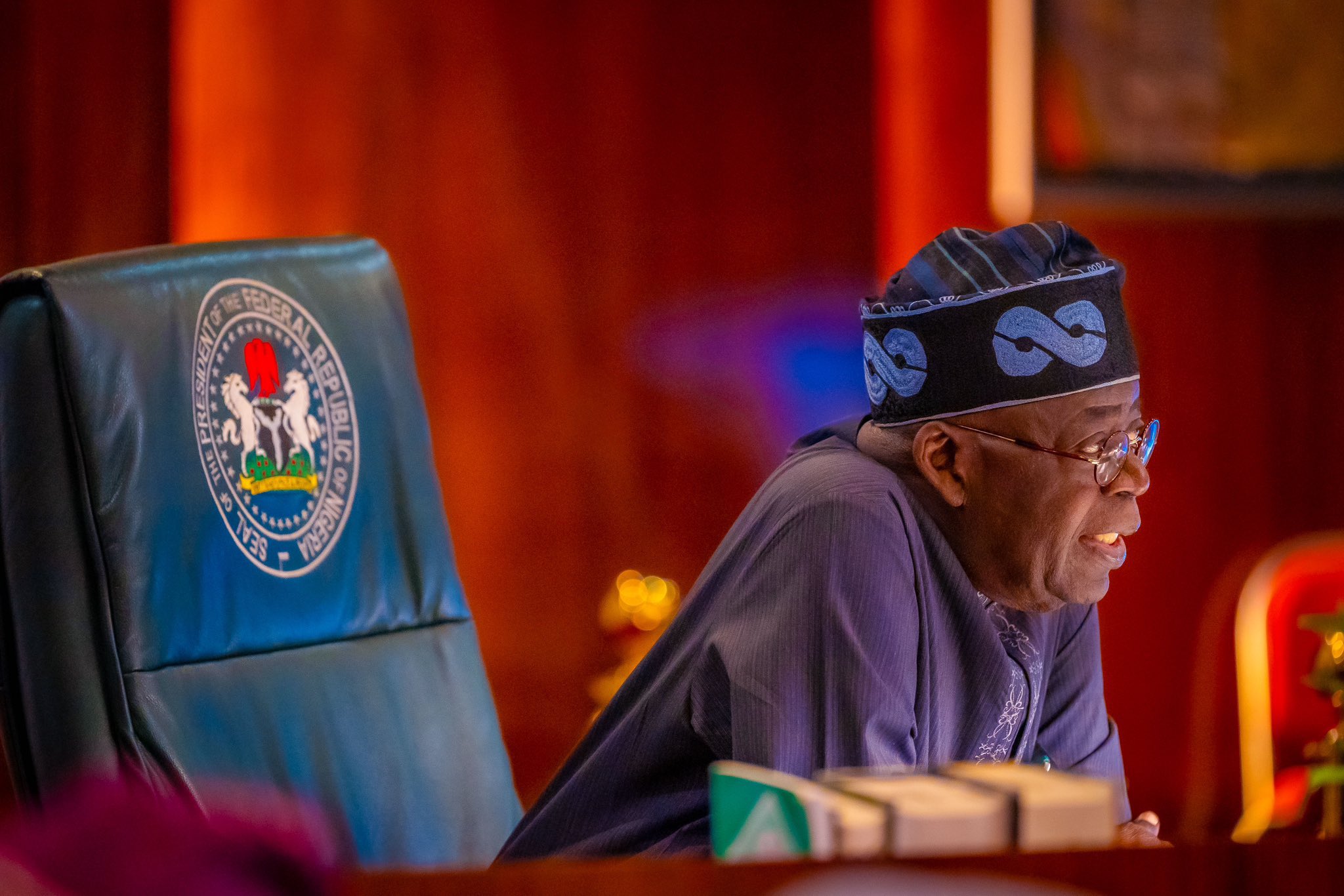
Under Tinubu, a blueprint for Nigeria’s consumer credit economy is quietly unfolding 
Share on FacebookShare on TwitterShare on Linkedin

Nigeria total public debt hit N152.39 trillion as of June 2025, the highest ever on record in Naira terms.

This is according to latest data from the Debt Management Office who also state that public debt in dollar terms also rose to $99.68 billion just $400 million shy of hitting $100 billion.

This consistent upward trajectory in Nigeria’s debt stock reflects both fresh borrowings and the impact of a appreciating exchange rate especially on external debt obligations.

MoreStories

AfreximBank approves $200 million finance facility to BUA Group for expansion projects 

Afreximbank approves $10bn to ease impact of Iran war on African, Caribbean economies

April 7, 2026
Nigeria’s economy, GDP grows by 2.54% in Q3

NESG says business confidence weakens despite 101.2 expansion in March

April 7, 2026

The federal and state governments owe a combination of domestic and foreign debts.

Nigeria owes countries like China, France, Germany, and Japan (bilateral debts) and multilateral institutions like the World Bank, Islamic Development Bank (IsDB), and the African Development Bank (AfDB).

In terms of local debts, Nigeria owes local bond creditors via sale of FGN Bonds, Treasury Bills, Sukuk Bonds, Green Bonds and Promissory Notes.

This is a breakdown of Nigeria’s debt creditors including domestic and external lenders. 

7. Syndicated Loans (N321.09 billion | $210 million)

  • Type: Bilateral / Commercial 
  • Definition: 

Short-term and medium-term facilities arranged by a group of banks, often led by institutions such as the Africa Finance Corporation (AFC).

Utilization: 

Used to provide bridge financing, refinance maturing obligations, or plug short-term fiscal gaps.

Share of total debt: 0.21%

6. Other Countries & Promissory Notes (N1.12 trillion | $735 million)

  • Type: Promissory Notes / Bilateral 
  • Definition: 

Negotiated instruments issued to settle verified obligations owed to local contractors, exporters, or foreign partners.

Utilization: 

Clearing arrears, state refunds, and outstanding payments to project partners.

Share of total debt: 0.7% 

5. African Development Bank Group (N5.82 trillion | $3.80 billion)

  • Type: Multilateral 
  • Definition: 

Loans from AfDB and its concessional arms — the African Development Fund (ADF) and Africa Growing Together Fund.

Utilization: 

Supports infrastructure, industrialization, and regional trade projects.

Share of total debt: 3.8%

4. China (N8.46 trillion | $5.53 billion)

  • Type: Bilateral 
  • Definition: 

Loans from the Exim Bank of China and the China Development Bank, often under the Belt and Road Initiative.

Utilization: 

Funds major infrastructure — railways, airports, power plants, and ICT corridors.

Share of total debt: 5.5%

3. World Bank Group (N29.65 trillion | $19.39 billion)

  • Type: Multilateral 
  • Definition: 

Comprises credits from the International Development Association (IDA) and the International Bank for Reconstruction and Development (IBRD).

Utilization: 

Targets development programmes in agriculture, education, fiscal reforms, power, and social investment.

Share of total debt: 19.4%

2. Eurobonds (N26.48 trillion | $17.32 billion)

  • Type: Commercial 
  • Definition: 

Dollar-denominated sovereign bonds issued by Nigeria in international capital markets.

Utilization: 

Used to finance annual budget deficits, bolster foreign reserves, and refinance existing external debts.

Share of total debt: 17.4%

1. FGN Securities (N80.55 trillion | $52.68 billion)

  • Type: Domestic 
  • Definition: 

Nigeria’s core local debt instruments including FGN Bonds, Treasury Bills, Savings Bonds, Sukuk, Green Bonds, and Promissory Notes.

Utilization: 

Finances the federal budget, capital projects, and liquidity management. These securities are held largely by local banks, pension funds, and institutional investors.

Share of total debt: 52.8%

What you should know 

President Bola Ahmed Tinubu has asked the House of Representatives to approve plans to raise $2.3 billion in external capital for the 2025 fiscal year.

This is made up of $1.2 billion in new borrowing and $1.1 billion to refinance a maturing Eurobond.

  • The president said the move aims to manage debt sustainably while supporting investment in infrastructure and growth-driven sectors.
  • Meanwhile, the World Bank projects Nigeria’s public debt-to-GDP ratio will fall below 40% for the first time in over a decade, citing steady growth, tighter fiscal management, and structural reforms.
  • In its October 2025 Nigeria Development Update, the Bank noted that the economy grew 3.9% in H1 2025, up from 3.5% in 2024, and expects GDP to rise to 4.4% by 2027.

It also reported foreign reserves above $42 billion and a current-account surplus of 6.1% of GDP, reflecting stronger non-oil exports and lower oil imports.


Add Nairametrics on Google News
Follow us for Breaking News and Market Intelligence.
Tags: FGN BondsFGN securitiesNigeria's public debtTreasury Bills
Research Team

Research Team

The Research Team at Nairametrics meticulously monitors, gathers, curates, and administers an extensive repository of both macroeconomic and microeconomic data originating from Nigeria and across Africa. Utilizing a variety of presentation formats—including documents, tables, and charts—our analysts disseminate key findings through the Nairametrics platform. Additionally, we regularly release insightful, research-driven articles that offer in-depth analyses of economic trends and indicators.

Next Post
Governor of the Central Bank of Nigeria (CBN), Olayemi Cardoso

CBN adopts AI for monetary policy forecasting, says Cardoso 

Leave a Reply Cancel reply

Your email address will not be published. Required fields are marked *

rabafast

nairametrics


DUNS

Follow us on social media:

  • HOME
  • ABOUT NAIRAMETRICS
  • CONTACT US
  • DISCLAIMER
  • ADs DISCLAIMER
  • COPYRIGHT INFRINGEMENT

© 2026 Nairametrics

Welcome Back!

Login to your account below

Forgotten Password? Sign Up

Create New Account!

Fill the forms below to register

All fields are required. Log In

Retrieve your password

Please enter your username or email address to reset your password.

Log In
Social Media Auto Publish Powered By : XYZScripts.com
No Result
View All Result
  • Home
  • Exclusives
    • Recapitalization
      • Access Holdings Offer
      • Fidelity Bank Offer
      • GTCO Offer
      • Zenith Bank Offer
    • Financial Analysis
    • Corporate Stories
    • Interviews
    • Investigations
    • Metrics
    • Nairalytics
  • Economy
    • Business News
    • Budget
    • Public Debt
    • Tax
  • Markets
    • Currencies
    • Cryptos
    • Commodities
    • Equities
      • Company Results
      • Dividends
      • Public Offer & Right Issues
      • Stock Market News
    • Fixed Income
    • Funds Management
    • Securities
  • Sectors
    • Agriculture
    • Aviation
    • Company News
    • Consumer Goods
    • Corporate Updates
    • Corporate deals
    • Corporate Press Releases
    • Energy
    • Entertainment
    • Financial Services
    • Health
    • Hospitality & Travel
    • Manufacturing
    • Real Estate and Construction
    • Renewables & Sustainability
    • Tech News
  • Financial Literacy
    • Career tips
    • Personal Finance
  • Lifestyle
    • Billionaire Watch
    • Profiles
  • Opinions
    • Blurb
    • Market Views
    • Op-Eds
    • Research Analysis
  • Login
  • Sign Up

© 2026 Nairametrics