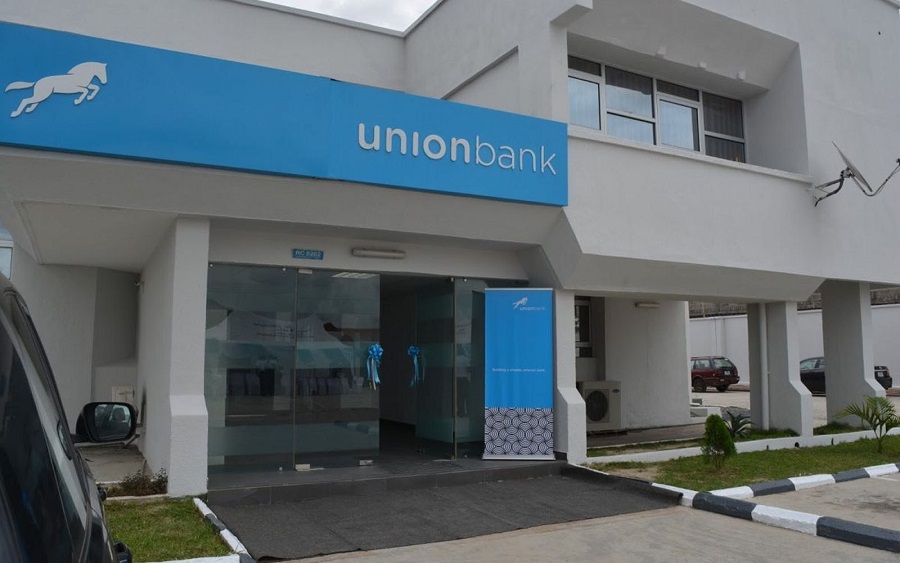
Union Bank of Nigeria Plc is preparing to seek a new core investor following the completion of its long-awaited merger with TitanTrust Bank Limited.
According to multiple sources who spoke to Nairametrics, the move is part of a broader effort to reposition the century-old lender after a turbulent two years under the control of the Central Bank of Nigeria (CBN).
The bank confirmed in a statement that it had secured final regulatory approval from the apex bank, officially completing the merger that integrates TitanTrust into Union Bank’s operations.


The merger, which had been in the works since 2022, was delayed by governance and ownership challenges that eventually drew in the CBN.
Regulatory takeover reshapes the deal
Union Bank and TitanTrust were both placed under CBN control in 2023 after questions were raised about ownership structures and regulatory compliance.
- The intervention cleared the path for a regulatory-driven merger, effectively resetting the bank’s shareholder base.
- Nairametrics also understands that Tropical General Investments (TGI) Group, the original shareholder of TitanTrust Bank, is not part of the newly merged entity following the regulatory takeover.
- This marks a major shift in the ownership structure and underscores the CBN’s influence in shaping the outcome of the deal.
The absence of TGI means that Union Bank must now seek a credible core investor to provide long-term stability, strategic direction, and capital support.
Insiders note that discussions with potential investors are already underway.
Search for capital amid recapitalization push
The hunt for a new investor comes against the backdrop of the CBN’s recapitalization directive, which requires banks to shore up their capital bases within 24 months.
The target for the industry is estimated at about N4.1 trillion, and so far, banks have raised around N2.8 trillion, leaving a gap of more than N1.3 trillion with just six months left to the deadline.
Union Bank’s quest for a core investor is therefore not just about replacing old shareholders — it is also about survival and competitiveness in an increasingly consolidated industry.
Analysts argue that only banks with deep-pocketed investors and strong governance will emerge stronger after the recapitalization exercise.
Union Bank Struggles
Founded in 1917, Union Bank remains one of Nigeria’s oldest financial institutions, with over a century of service to individuals, corporates, and government entities.
- However, in recent decades, it has faced recurring challenges: declining market share, ownership tussles, and stiff competition from newer, more agile rivals.
- TitanTrust Bank, by contrast, was one of Nigeria’s youngest lenders, having obtained its banking license in 2019.
- Backed initially by TGI Group, it made a bold move in 2021 to acquire a majority stake in Union Bank, a transaction that surprised many industry watchers given its relatively small size.
But the acquisition quickly ran into regulatory headwinds, setting the stage for the CBN’s intervention in 2023 and eventually leading to the just-concluded merger.
Why this matters
The significance of Union Bank’s next steps cannot be overstated. Without a core investor, the bank risks being left behind in a market where its peers are aggressively raising capital through rights issues, public offers, and private placements. A credible investor could help:
- inject fresh capital to meet recapitalization requirements,
- restore confidence among depositors and shareholders,
- provide strategic expertise in digital banking and risk management,
- position the bank for growth in an increasingly competitive financial system.
Industry experts note that Union Bank’s wide branch network and legacy customer base remain valuable assets.
These strengths could appeal to both domestic institutional investors and foreign banking groups seeking to expand their footprint in Africa’s largest economy.
State of Banking Recapitalization
The merger and investor search come at a time of intense activity in Nigeria’s banking sector.
- While Access Holdings, Zenith Bank, and GTCO are completing their capital raise, UBA and FirstBank are all in various stages of recapitalization, with some already raising billions through rights issues and private placements.
- Mid-tier banks such as Fidelity, FCMB, and Stanbic IBTC are also pursuing aggressive capital-raising strategies.
- So far, the industry has collectively raised about N2.8 trillion, largely through equity and debt issuances.
With six months remaining before the deadline, the race is on to cover the remaining N1.3 trillion shortfall.
What’s next
Union Bank has yet to announce the structure of its investor search, whether it will prioritize domestic institutional investors, foreign banking groups, or private equity firms.
- For now, the bank is focused on completing its operational integration with TitanTrust, stabilizing governance, and aligning with regulatory requirements.
- Analysts believe that Union Bank’s ability to attract a strong core investor will not only determine its place in this new era of Nigerian banking but could also send signals about investor confidence in the wider financial system.