• Login
  • Register
Nairametrics
  • Home
  • Exclusives
    • Recapitalization
      • Access Holdings Offer
      • Fidelity Bank Offer
      • GTCO Offer
      • Zenith Bank Offer
    • Financial Analysis
    • Corporate Stories
    • Interviews
    • Investigations
    • Metrics
    • Nairalytics
  • Economy
    • Business News
    • Budget
    • Public Debt
    • Tax
  • Markets
    • Currencies
    • Cryptos
    • Commodities
    • Equities
      • Company Results
      • Dividends
      • Public Offer & Right Issues
      • Stock Market News
    • Fixed Income
    • Funds Management
    • Securities
  • Sectors
    • Agriculture
    • Aviation
    • Company News
    • Consumer Goods
    • Corporate Updates
    • Corporate deals
    • Corporate Press Releases
    • Energy
    • Entertainment
    • Financial Services
    • Health
    • Hospitality & Travel
    • Manufacturing
    • Real Estate and Construction
    • Renewables & Sustainability
    • Tech News
  • Financial Literacy
    • Career tips
    • Personal Finance
  • Lifestyle
    • Billionaire Watch
    • Profiles
  • Opinions
    • Blurb
    • Market Views
    • Op-Eds
    • Research Analysis
  • Home
  • Exclusives
    • Recapitalization
      • Access Holdings Offer
      • Fidelity Bank Offer
      • GTCO Offer
      • Zenith Bank Offer
    • Financial Analysis
    • Corporate Stories
    • Interviews
    • Investigations
    • Metrics
    • Nairalytics
  • Economy
    • Business News
    • Budget
    • Public Debt
    • Tax
  • Markets
    • Currencies
    • Cryptos
    • Commodities
    • Equities
      • Company Results
      • Dividends
      • Public Offer & Right Issues
      • Stock Market News
    • Fixed Income
    • Funds Management
    • Securities
  • Sectors
    • Agriculture
    • Aviation
    • Company News
    • Consumer Goods
    • Corporate Updates
    • Corporate deals
    • Corporate Press Releases
    • Energy
    • Entertainment
    • Financial Services
    • Health
    • Hospitality & Travel
    • Manufacturing
    • Real Estate and Construction
    • Renewables & Sustainability
    • Tech News
  • Financial Literacy
    • Career tips
    • Personal Finance
  • Lifestyle
    • Billionaire Watch
    • Profiles
  • Opinions
    • Blurb
    • Market Views
    • Op-Eds
    • Research Analysis
Nairametrics
Home Companies Company News

Nigeria Offshore Contracts Review Adds to Industry Uncertainty

Editor by Editor
October 8, 2015
in Company News, Politics
Surprised?? Only one out of 77 oil blocks are producing – DPR
Share on FacebookShare on TwitterShare on Linkedin

Plans by Nigeria, Africa’s biggest oil producer, to review offshore production contracts signed with international oil companies two decades ago, have added to uncertainty in an industry already lacking regulatory clarity, said analysts including Philippe de Pontet of Eurasia Group..

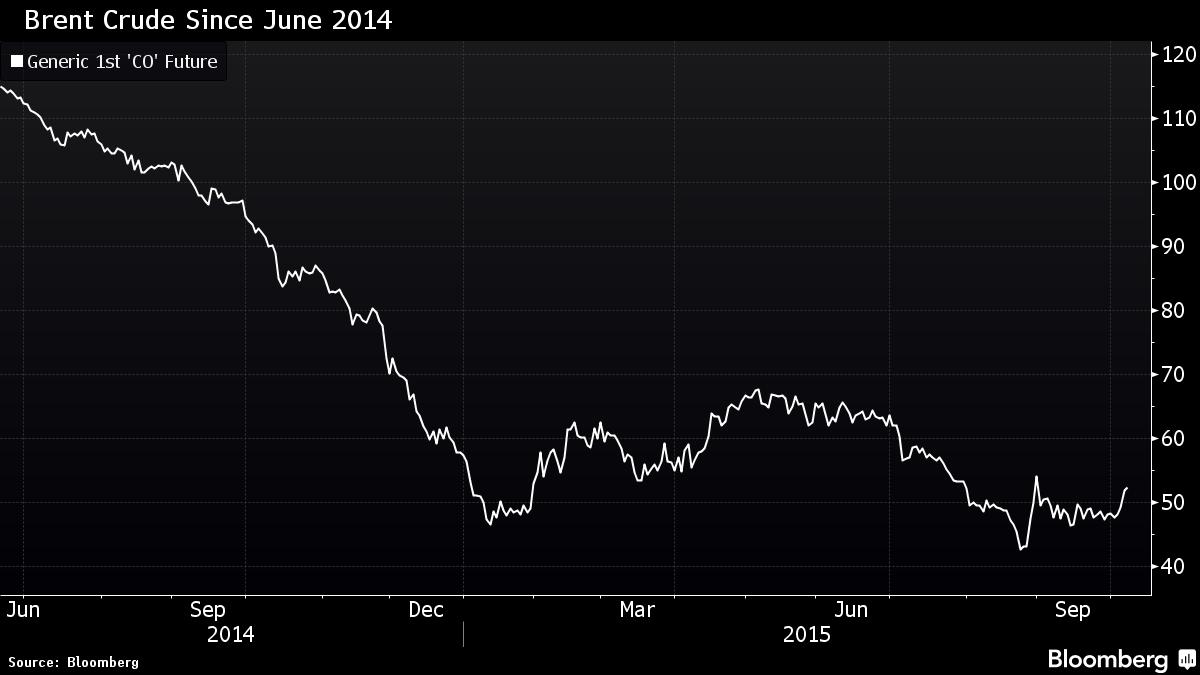
The objective is to increase Nigeria’s earnings from the fields, according to Emmanuel Kachikwu, Group Managing Director of the Nigerian National Petroleum Corporation (NNPC). Yet, declining crude oil prices take away some of the incentive for investments that would’ve given the government more leverage in negotiations.

“With Brent below $50 a barrel, the timing is not ripe for big contract negotiations.,” de Pontet said. “If the Buhari administration is not careful its agitation for contract review could prove counterproductive at a time when the oil sector is already stagnant at best.”

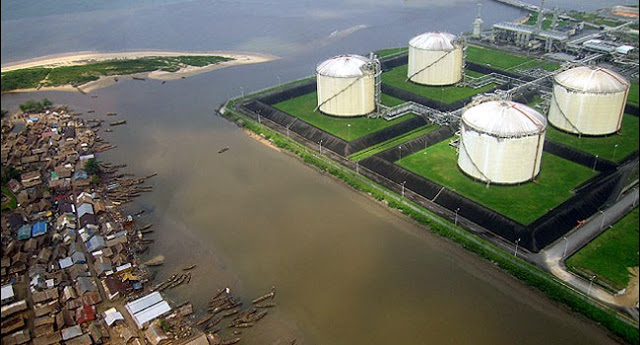
 Nigeria depends on crude exports for two-thirds of government revenue and more than 90 percent of export earnings. NNPC, as the state oil company is known, has production-sharing contracts in deep offshore oilfields with companies including Royal Dutch Shell Plc, Exxon Mobil Corp., Chevron Corp., Total SA, and Eni SpA. Output from these fields now account for about half of Nigeria’s production of about 2 million barrels a day.

Bloomberg,brent

MoreStories

Peter Obi

Peter Obi slams House of Representatives over refusal to criminalise vote buying

December 21, 2025
SnappyPay enters Nigeria’s digital payments market after months of user testing 

SnappyPay enters Nigeria’s digital payments market after months of user testing 

December 20, 2025

The fiscal terms were negotiated at a time when these companies were pioneering deep offshore production, and fields such as Shell’s Bonga, Exxon’s Erha, Chevron’s Agbami and Total’s Amenam got tax rates of about 50 percent, compared with 85 percent for onshore fields. The royalty regimes varied from 12 percent for water depths of 200-500 meters (650-1,600 feet) to nothing once they exceeded 1,000 meters.

With government revenue halved by the decline of crude prices in the past year, President Muhammadu Buhari, who took power after winning an election this year, is hard-pressed to fund electoral promises. Kachikwu has identified review of the fiscal terms governing offshore oil fields as one area where the government has scope to increase income.

Though the production-sharing contracts are “fairly beneficial” to the companies, it may be better for the government to push through with a revised oil bill, Philipp Chladek, a London-based analyst at Bloomberg Intelligence, said by phone on Oct. 5.

 Putting in place a new law “is a bigger and more pressing priority than renegotiating the offshore contracts because it will have a much more beneficial impact on the Nigerian economy,” he said. “The upside from having a regulatory and legal system in place is considerable because it will help increase investment and enable the smaller companies to develop their onshore oilfields.”

It’s not yet clear if the latest round of talks with the international oil companies will offer a way out of the prolonged deadlock with the government that arose over a proposed bill to reform the way the industry is funded and regulated, first sent to lawmakers in 2008. The major difference was over the fiscal terms governing the offshore fields, where the government wanted a greater share of revenue.

Delayed Bill

While the bill was stalled in parliament in the past seven years, investments worth more than $50 billion that should’ve come to Nigeria, went elsewhere amid the uncertainty, according to Shell. As much as $150 billion in investments could be lost in 10 years and output might decline by 25 percent, according to the Oil Producers Trade Section of the Lagos Chamber of Commerce, which represents oil companies in Nigeria.

Drilling for exploration in Nigeria hovers around the lowest in more than a decade as investment plans were shelved, according to the Petroleum Ministry.

The last draft sent to lawmakers in 2011 seeks to raise offshore taxes to 73 percent and those for onshore to 87 percent. Two previous drafts sent to parliament didn’t become law during the tenure of the last two legislatures due to political wrangling and opposition from energy producers.

Favorable fiscal terms had encouraged Shell to lead deep-water oil exploration in Nigeria resulting in the 1995 discovery of the Bonga field, located 120 kilometers (75 miles) offshore. With reserve estimates of about 1 billion barrels, it has capacity for 220,000 barrels daily, pumping into a floating production, storage and off-loading vessel moored in the sea.

Imperiled Onshore

Other discoveries quickly followed Bonga, confirming the prodigious prospects of the Gulf of Guinea, helping spur a movement to offshore oil in Nigeria at a time of rising unrest and armed militancy in the Niger River delta that imperiled onshore production. Shell, the largest producer in Nigeria, has since sold most of its onshore fields that were plagued by theft, sabotage and insecurity.

The international oil companies concerned have already begun discussions with the NNPC, which represents the government, according  Osagie Okunbor, Shell Nigeria chairman.

None of the parties involved in the negotiations “wants to see this have an adverse impact on investments,” Okunbor said in Abuja on Sept 30. “So we will look at these clauses and then we will take a position. I don’t think that we should begin to see it at this stage as win and lose.”


Tags: NNPC Nigeria News
Editor

Editor

Next Post
Barclays Reviews Nigeria’s Membership In EM Local Currency Bond Index

Barclays Reviews Nigeria's Membership In EM Local Currency Bond Index

Leave a Reply Cancel reply

Your email address will not be published. Required fields are marked *

rabafast
uba
tajbank

access bank
nairametrics
first bank


DUNS

Follow us on social media:

  • HOME
  • ABOUT NAIRAMETRICS
  • CONTACT US
  • DISCLAIMER
  • ADs DISCLAIMER
  • COPYRIGHT INFRINGEMENT

© 2025 Nairametrics

Welcome Back!

Login to your account below

Forgotten Password? Sign Up

Create New Account!

Fill the forms below to register

All fields are required. Log In

Retrieve your password

Please enter your username or email address to reset your password.

Log In
Social Media Auto Publish Powered By : XYZScripts.com
No Result
View All Result
  • Home
  • Exclusives
    • Recapitalization
      • Access Holdings Offer
      • Fidelity Bank Offer
      • GTCO Offer
      • Zenith Bank Offer
    • Financial Analysis
    • Corporate Stories
    • Interviews
    • Investigations
    • Metrics
    • Nairalytics
  • Economy
    • Business News
    • Budget
    • Public Debt
    • Tax
  • Markets
    • Currencies
    • Cryptos
    • Commodities
    • Equities
      • Company Results
      • Dividends
      • Public Offer & Right Issues
      • Stock Market News
    • Fixed Income
    • Funds Management
    • Securities
  • Sectors
    • Agriculture
    • Aviation
    • Company News
    • Consumer Goods
    • Corporate Updates
    • Corporate deals
    • Corporate Press Releases
    • Energy
    • Entertainment
    • Financial Services
    • Health
    • Hospitality & Travel
    • Manufacturing
    • Real Estate and Construction
    • Renewables & Sustainability
    • Tech News
  • Financial Literacy
    • Career tips
    • Personal Finance
  • Lifestyle
    • Billionaire Watch
    • Profiles
  • Opinions
    • Blurb
    • Market Views
    • Op-Eds
    • Research Analysis
  • Login
  • Sign Up

© 2025 Nairametrics