Follow Us on Google Discover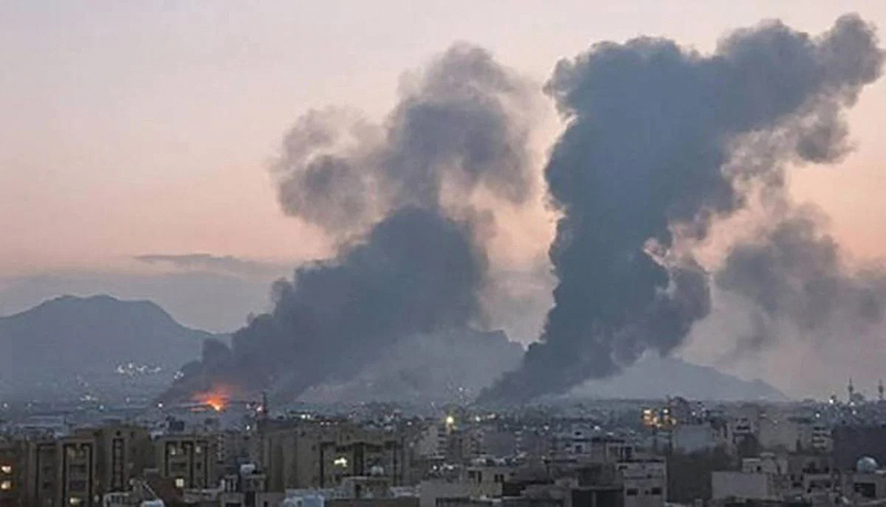
The war in the Middle East has triggered a historic disruption of the global energy system, removing hundreds of millions of barrels from the market and pushing prices sharply higher by about 50%.
According to Reuters, about 400 million barrels—equivalent to four days of global supply—have been lost since the conflict escalated on February 28.
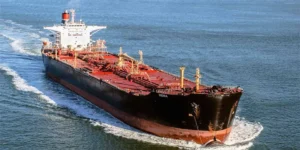
The closure of the Strait of Hormuz and repeated strikes on energy infrastructure have left countries scrambling to secure fuel and natural gas, while also forcing reductions in consumption.
The International Energy Agency (IEA) has called the crisis the worst global energy disruption in history, surpassing the 1973 Arab oil embargo.
Also Read
In addition to supply shortages, rising energy costs are driving inflation worldwide, hitting both consumers and businesses hard.
What the report is saying
The energy crisis has caused unprecedented spikes in oil and gas prices, affecting consumers globally.
- The closure of the Strait of Hormuz has halted about 20% of the world’s oil and liquefied natural gas (LNG) shipments.
- Ongoing attacks on refineries, gas fields, and terminals are expected to take years to repair, further constraining supply.
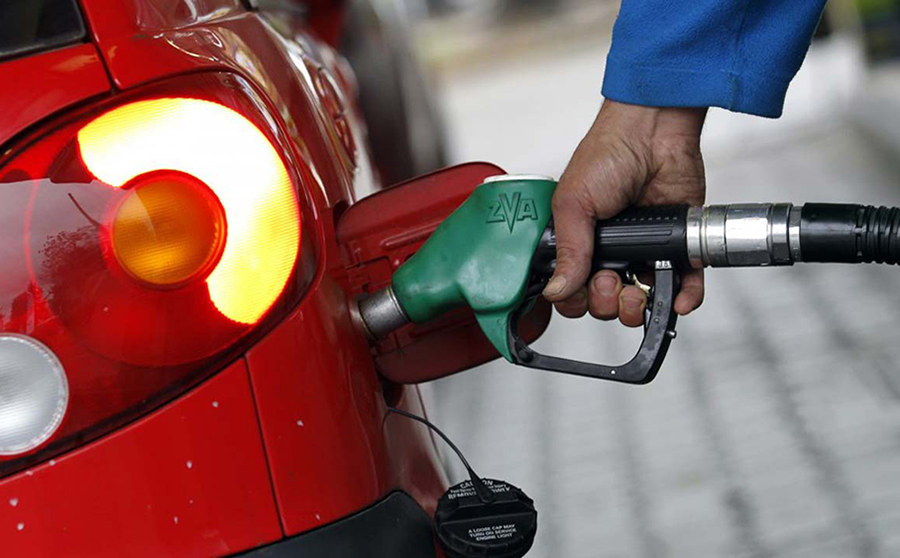
- European jet fuel prices hit $220 per barrel, while U.S. retail gasoline has risen by over $1 per gallon to around $4.
The IEA has released 400 million barrels from emergency stockpiles, but analysts warn that this only offsets about 20 days of lost supply. The agency is also recommending measures like reducing air travel and promoting remote work to curb demand.
Backstory
The current energy disruption is rooted in escalating hostilities between Iran, Israel, and the U.S.
- The conflict intensified after February 28, when airstrikes targeted Iranian facilities, prompting retaliatory attacks on Gulf energy infrastructure.
- The South Pars gas field in Iran was struck by Israel, while Iran retaliated by targeting Qatar’s Ras Laffan LNG complex.
- Iran’s attacks are expected to reduce LNG supply by 12.8 million tons per year—around 3% of global output—for three to five years.
The Strait of Hormuz, a strategic chokepoint for global energy trade, has been effectively closed, blocking critical shipments of oil and gas.
This escalation threatens both energy security and economic stability worldwide, echoing the shocks seen during the 1973 Arab oil embargo.
More Insights
The crisis is also rippling through global agriculture and food markets. Fertilizer supply chains, particularly for nitrogen-based products like urea, have been severely disrupted.
- Prices for critical fertilizers have surged 30% to 40% since the conflict began.
- Fertilizer production in India, Bangladesh, and Malaysia is being halted due to shortages of feedstocks.
- About one-third of global fertilizer trade passes through the Strait of Hormuz, now largely blocked.
Maximo Torero, chief economist at the UN’s Food and Agriculture Organization (FAO), warned that continued disruption will reduce planting and global commodity supply, affecting cereals, feed, dairy, and meat. About half the world’s food relies on fertilizers, which can account for up to 50% of grain production costs in some countries.
What you should know
The global energy and food systems face significant strain as the Middle East conflict continues.
Earlier, the United States Department of the Treasury issued a general license permitting the sale of Iranian oil and petrochemical products in a bid to ease rising global oil prices.
Oil prices showed signs of easing after President Donald Trump signaled a possible “winding down” of US military operations against Iran.